When Your Own Mind Turns Against You
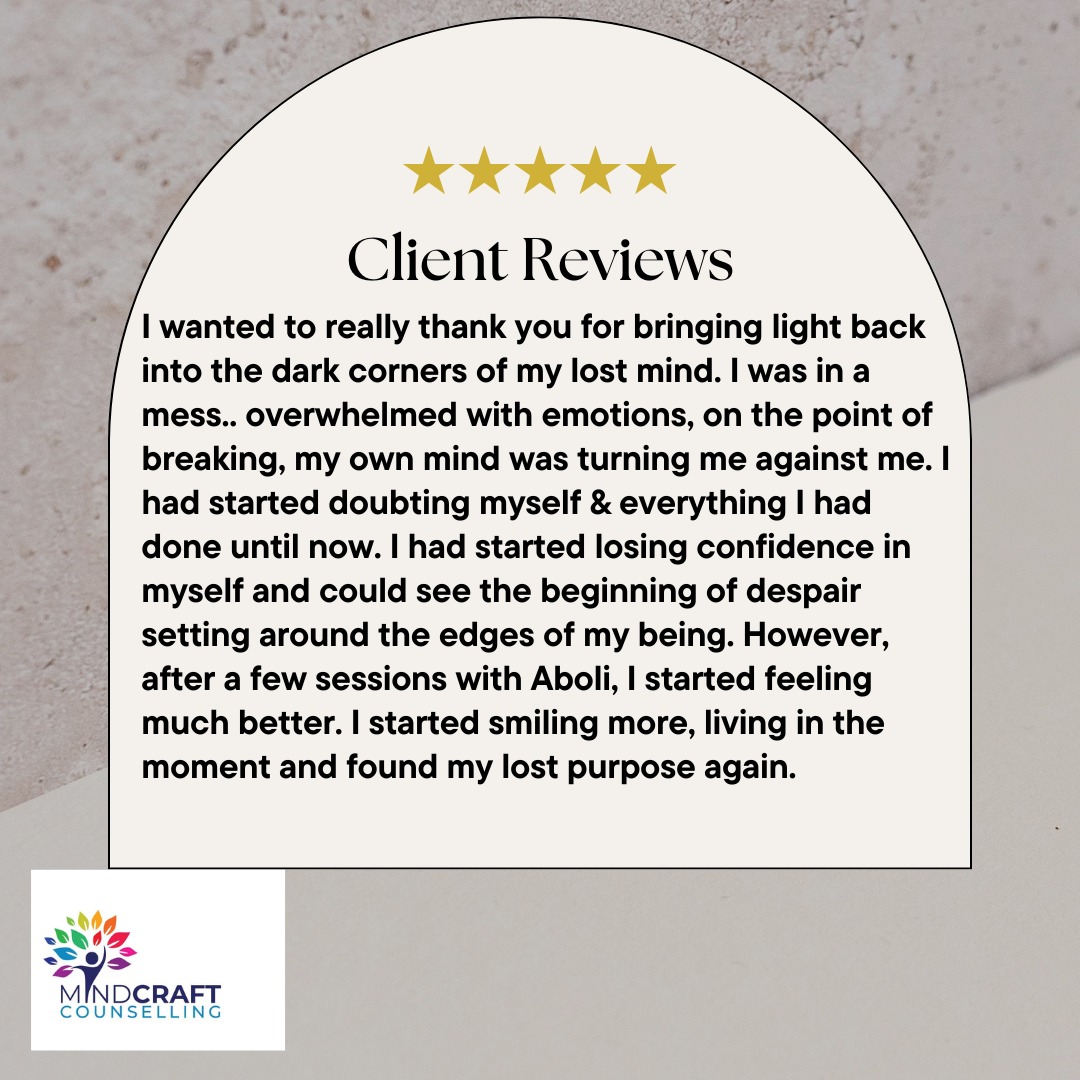
Self-doubt and overwhelm can make your mind feel like an opponent rather than an ally. Here's what therapy actually does to help that shift, and why your own effort matters more than you think.

Reflections, tips & client stories
Warm, practical writing on therapy, emotions, relationships and growth — drawn from our work and our community.
 2
2 Self-doubt and overwhelm can make your mind feel like an opponent rather than an ally. Here's what therapy actually does to help that shift, and why your own effort matters more than you think.
 2
2 A client described therapy as a place where she could say anything without fear of being judged. That feeling of safety isn't a bonus to the work — it's what makes the work possible.
 4
4 Losing a parent who was also a close friend can leave you feeling completely unmoored. Here's why grief overwhelms us, and how the right support can help you find your footing again.
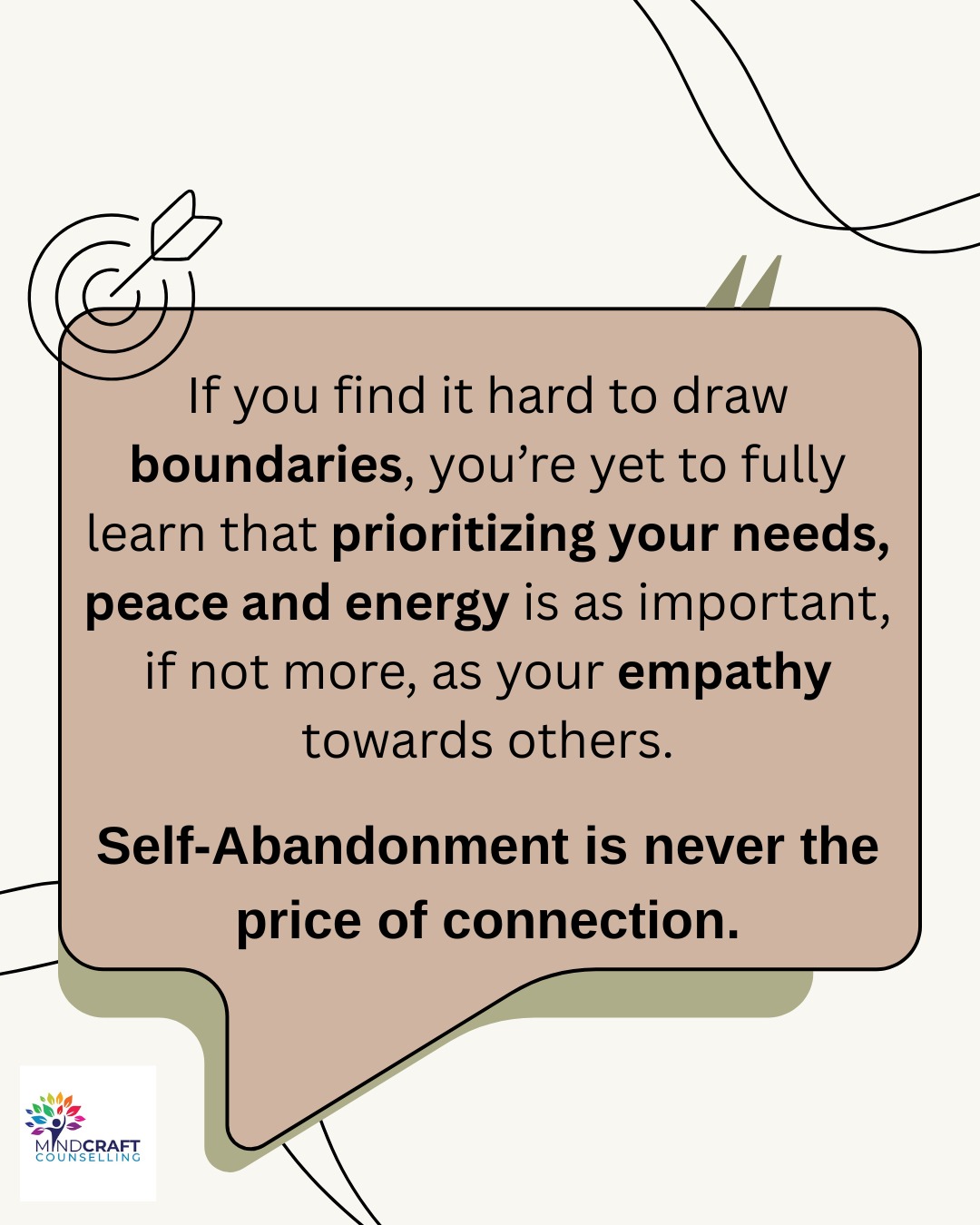
If saying no fills you with guilt, you may be confusing love with self-erasure. Boundaries protect connection — they don't threaten it.
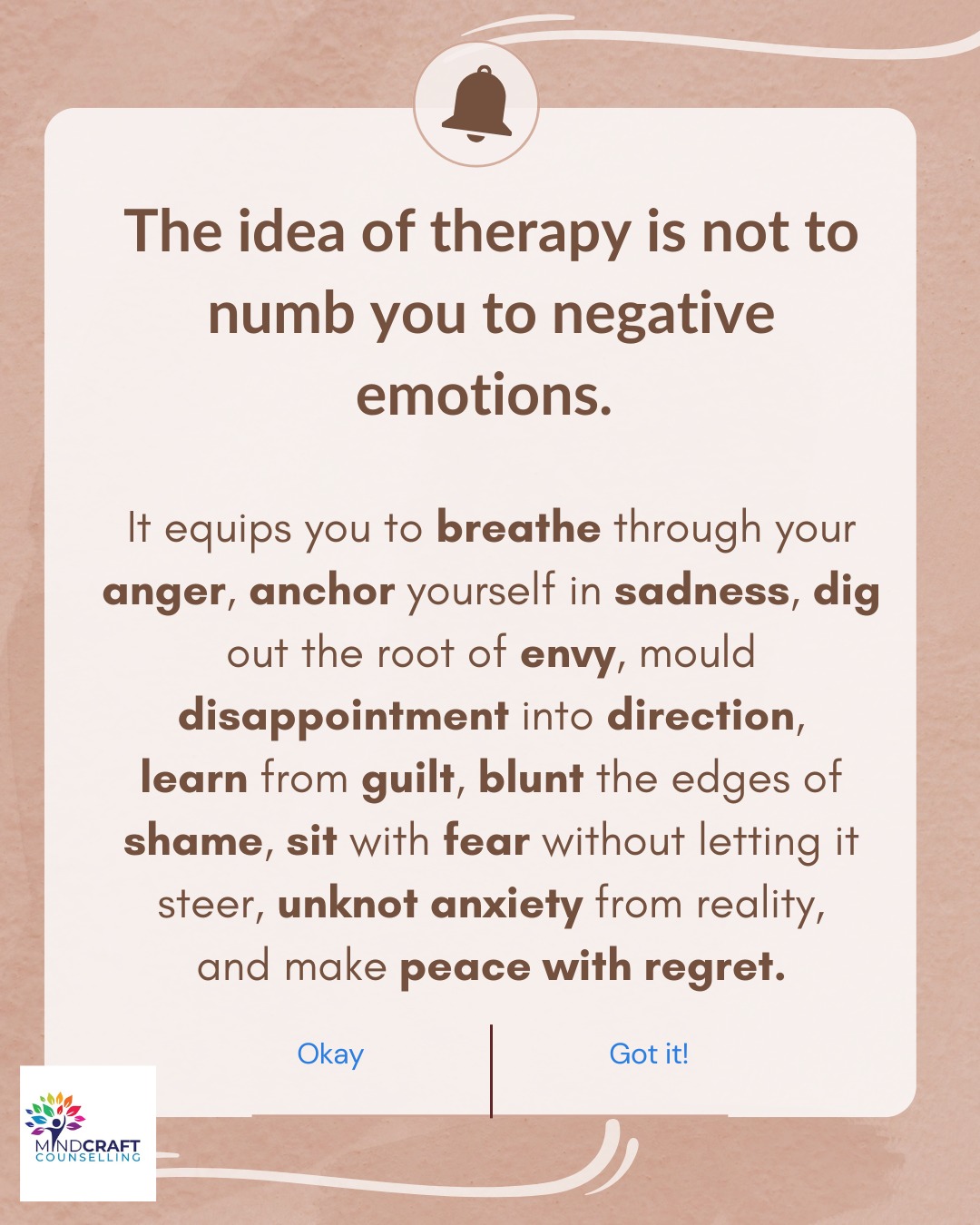
Good therapy isn't about deleting anger, sadness or fear. It's about learning to stay with hard emotions without being swept away by them.
 6
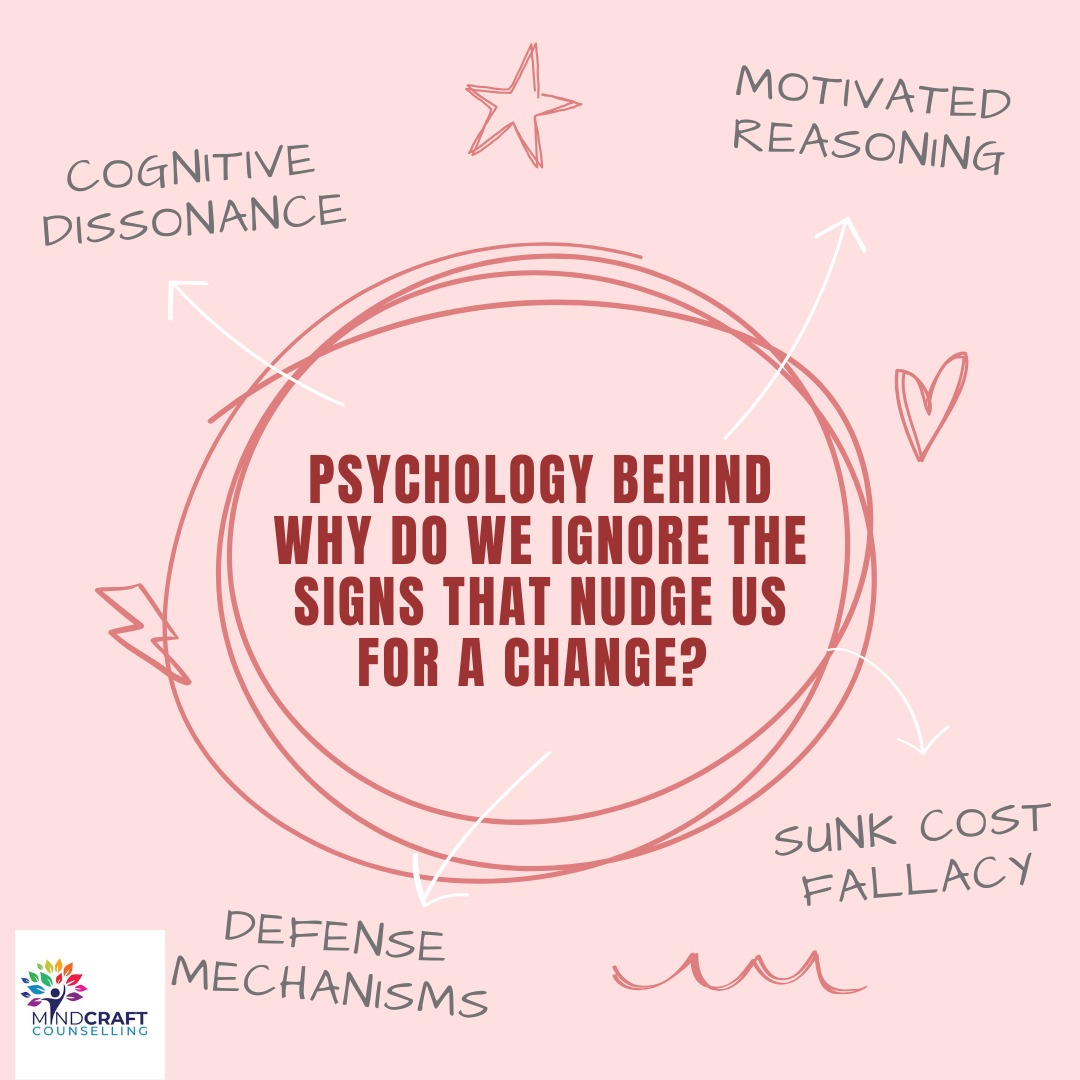
6 The same job, the same relationship, the same loop — even when part of us knows it isn't working. Here's the psychology behind why we look away, and how to start seeing clearly.
 7
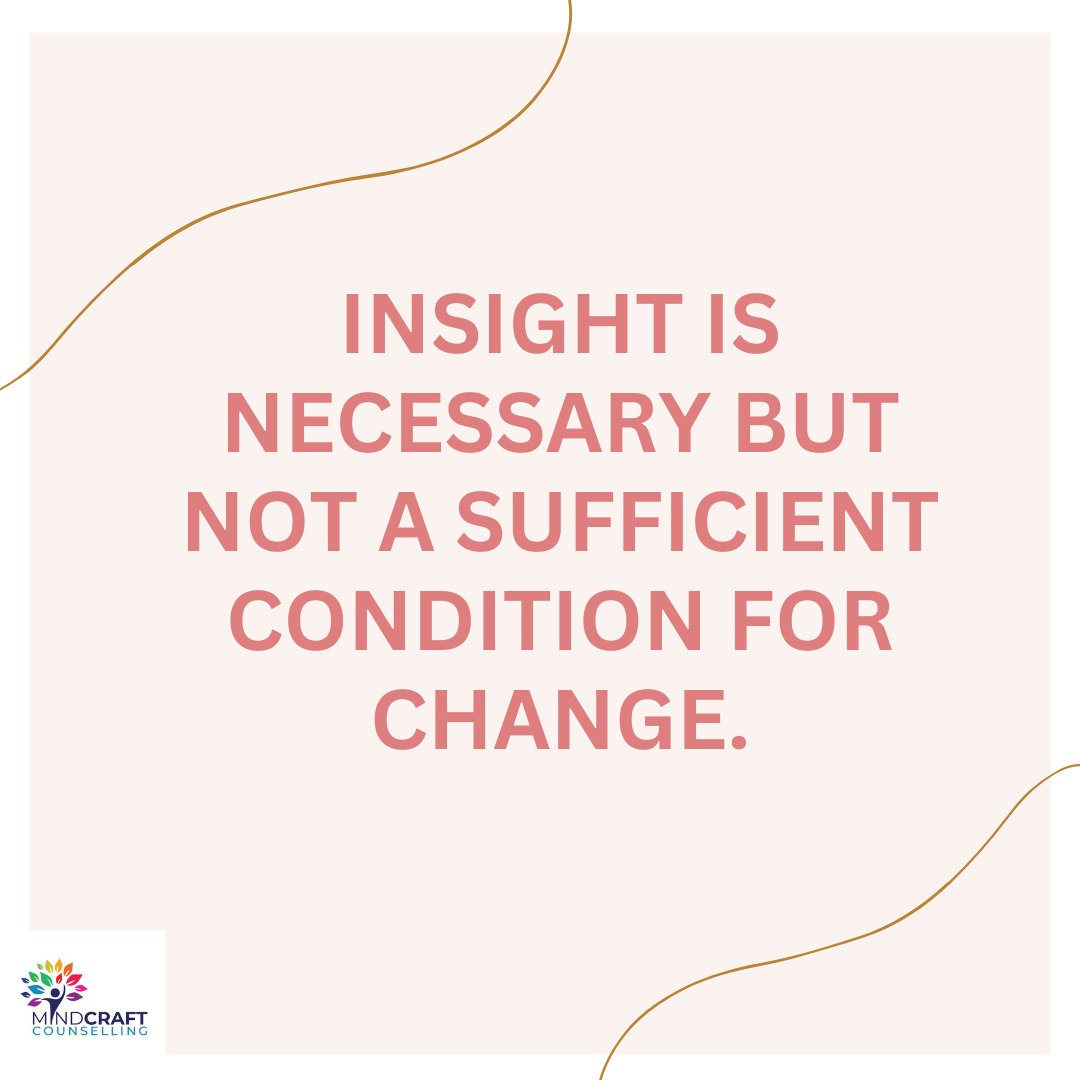
7 Understanding why you do something is a real start, but insight alone rarely shifts a pattern. Here's what bridges the gap between knowing and doing.
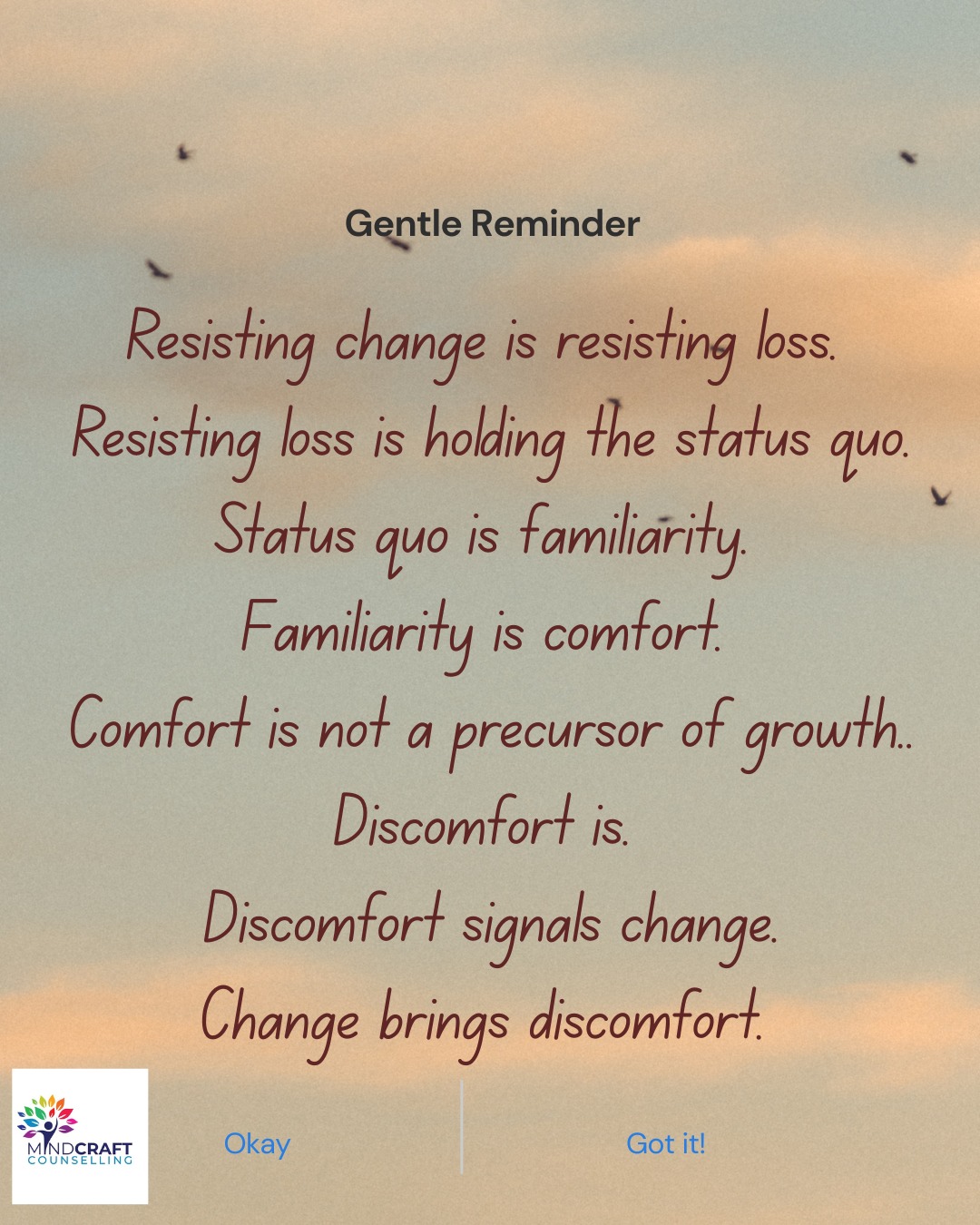
We resist change because change asks us to give something up. But the discomfort we keep avoiding is often the very signal that we're growing.
 8
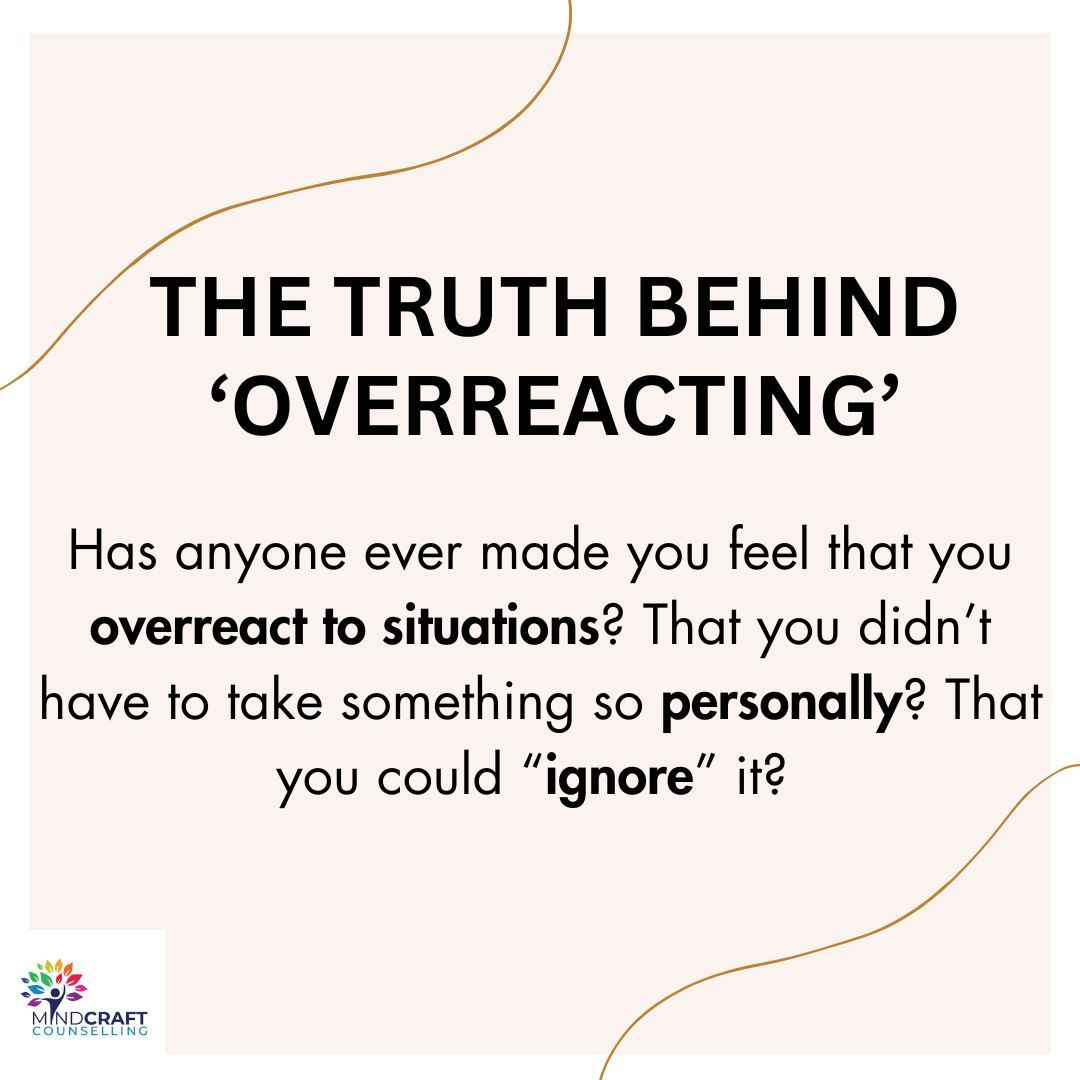
8 Being told you overreact often misses what's really happening. Your reactions carry information worth listening to, not dismissing.
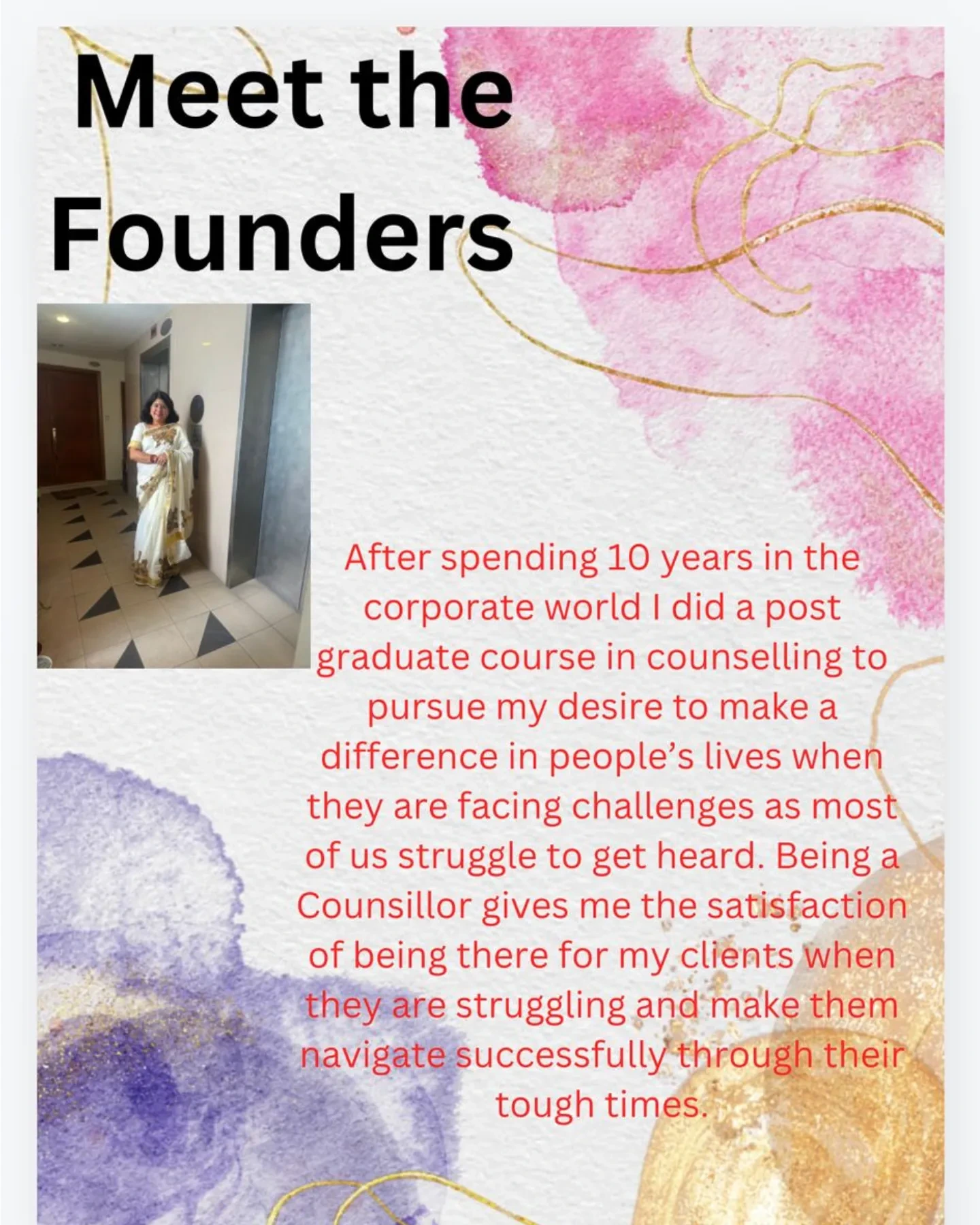
A counsellor who spent a decade in the corporate world before retraining shares what drew her to the work: the simple, often overlooked need to be heard. Here's what that career shift says about listening.
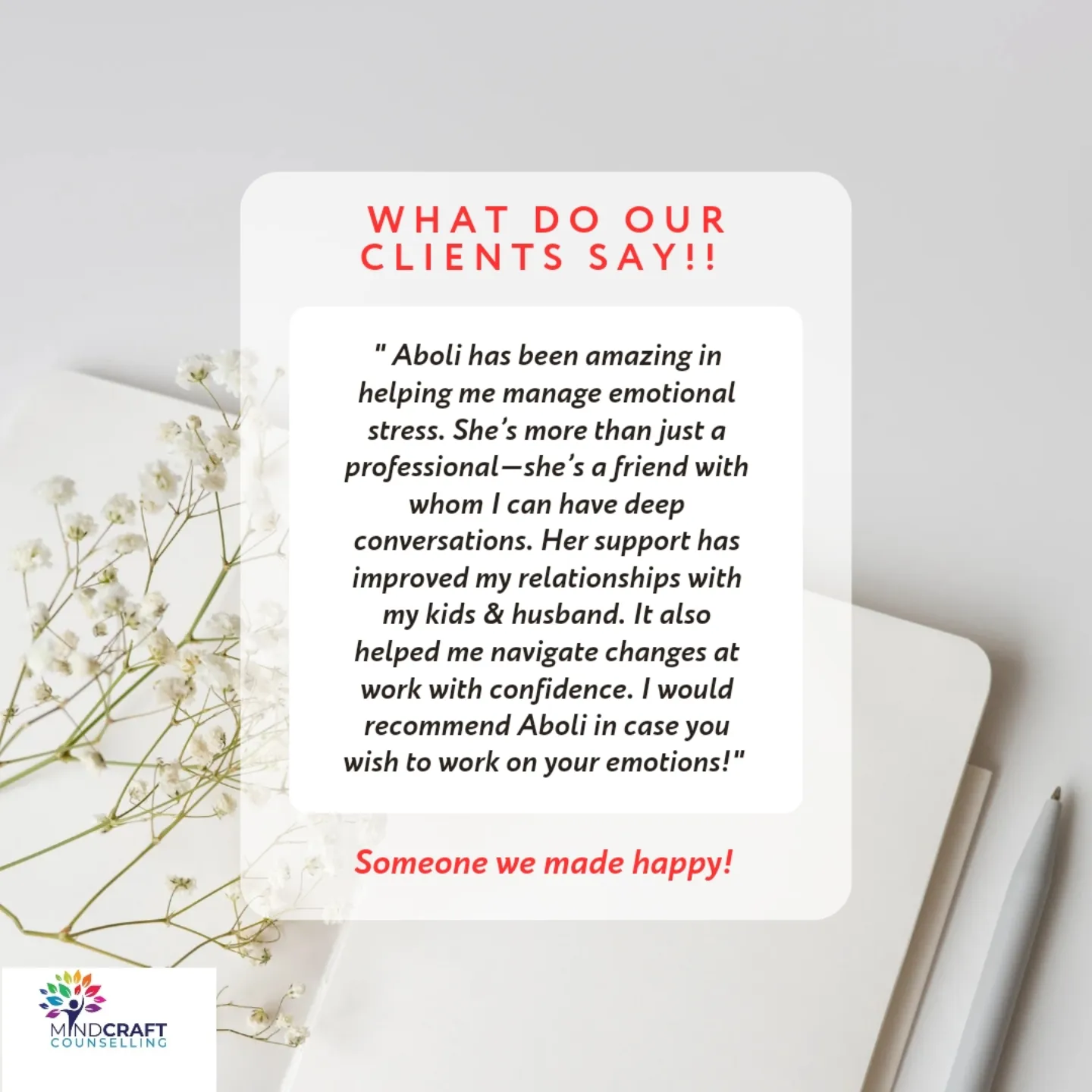
A client shared how learning to handle emotional stress improved her relationships at home and her confidence at work. Here's why emotional regulation ripples out into the rest of life.

MindCraft Counselling now offers online sessions across India, Singapore and beyond — confidential, affordable support you can reach from home.
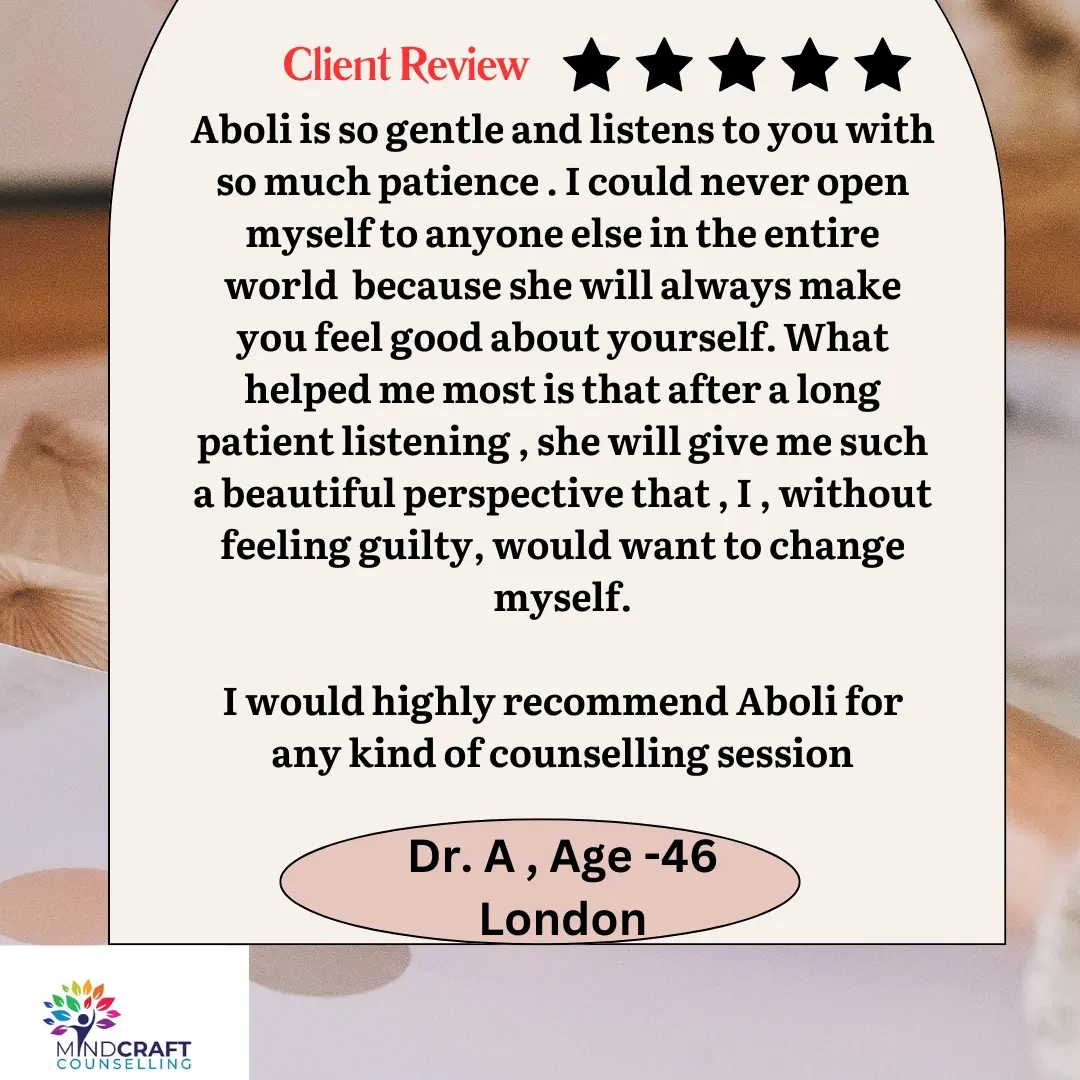
A client described being able to open up for the first time, and wanting to change without guilt. That order matters more than people realise — safety first, then growth.
 Video
Video Defence mechanisms are the mind's automatic ways of coping with stress and difficult feelings. Understanding yours can help you respond with more choice and less shame.
 Video
Video Codependency isn't about loving too much — it's about loving in a way that quietly erases you. Here's how to recognise it and start finding your way back.
 Video
Video Happiness isn't a stroke of luck or a single big win. Research points to a handful of things you can build, and most of them are surprisingly within reach.
 Video
Video If you say yes when you mean no and apologise for things that were never your fault, you may have learned that other people's comfort matters more than your own. Here's how to begin shifting that.
 Video
Video What a film about three friends and their phones quietly says about loneliness, comparison and the version of ourselves we perform online.
 2
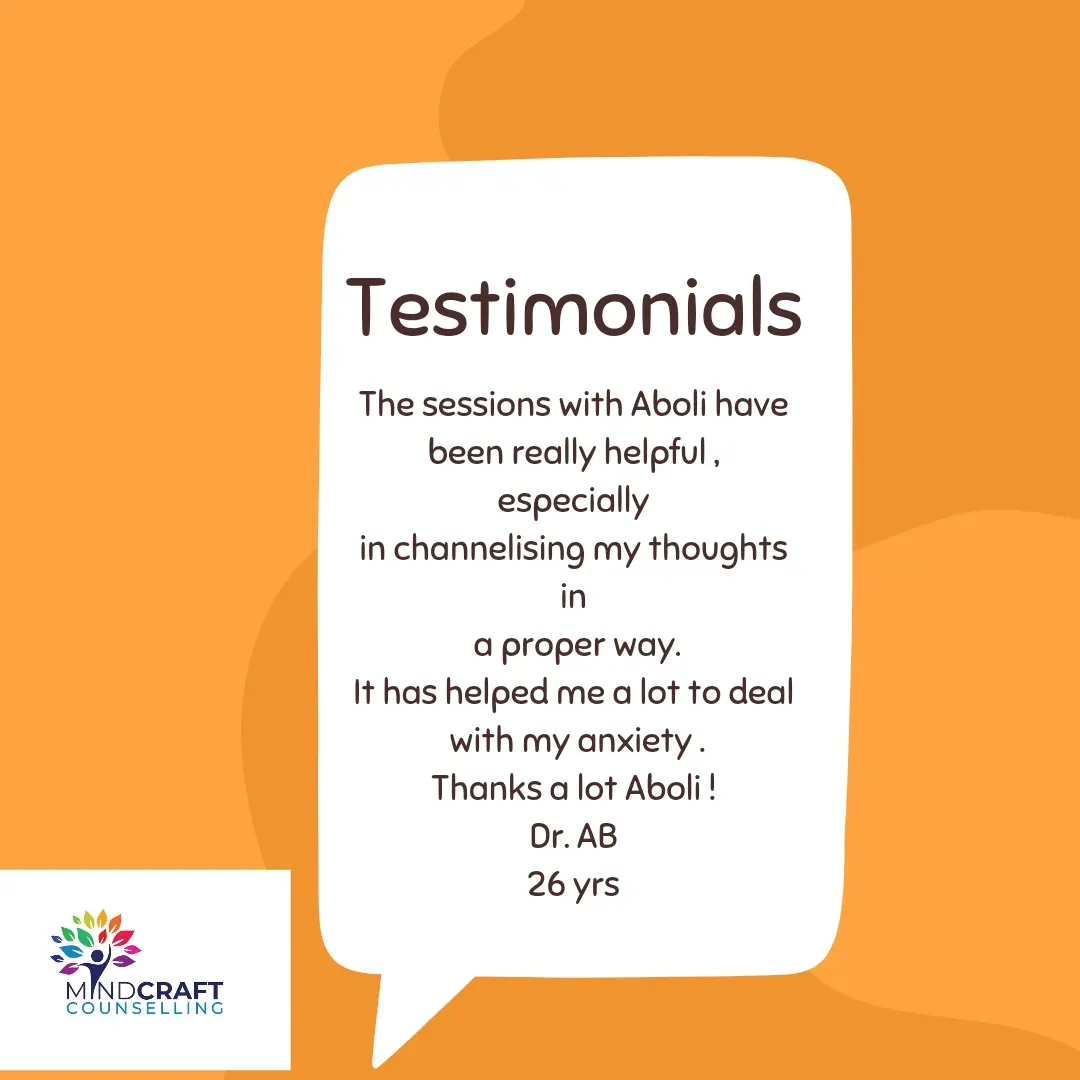
2 A client described therapy as a way of channelling scattered thoughts into something clearer. Here's what that process actually looks like, and why it eases anxiety.
 Video
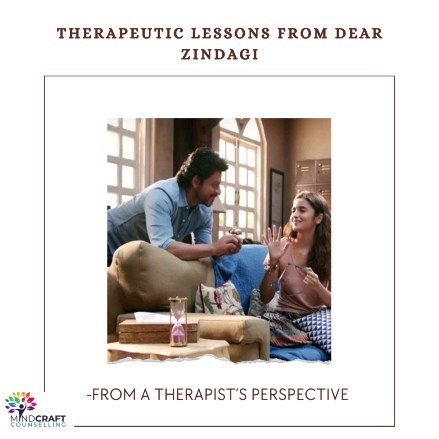
Video Dear Zindagi simplifies how therapy actually works, but the lessons it offers about feeling, choosing and forgiving still hold real weight.
 Video
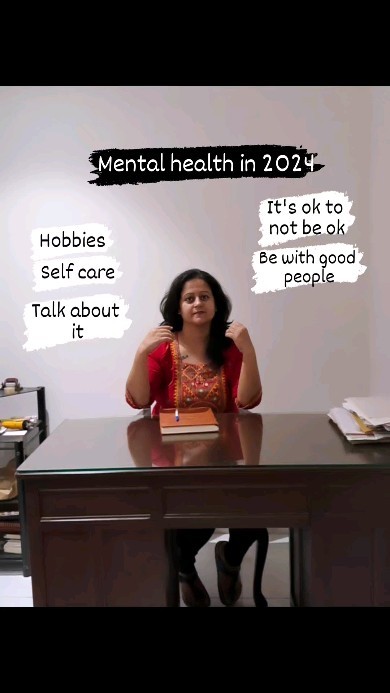
Video Caring for your mind doesn't need a grand plan or a perfect routine. A few small, repeatable choices — about people, rest and honesty — do most of the heavy lifting.
 Video
Video Resolutions often start as hope and quietly turn into pressure. Here's how to set goals that support you rather than weigh you down.
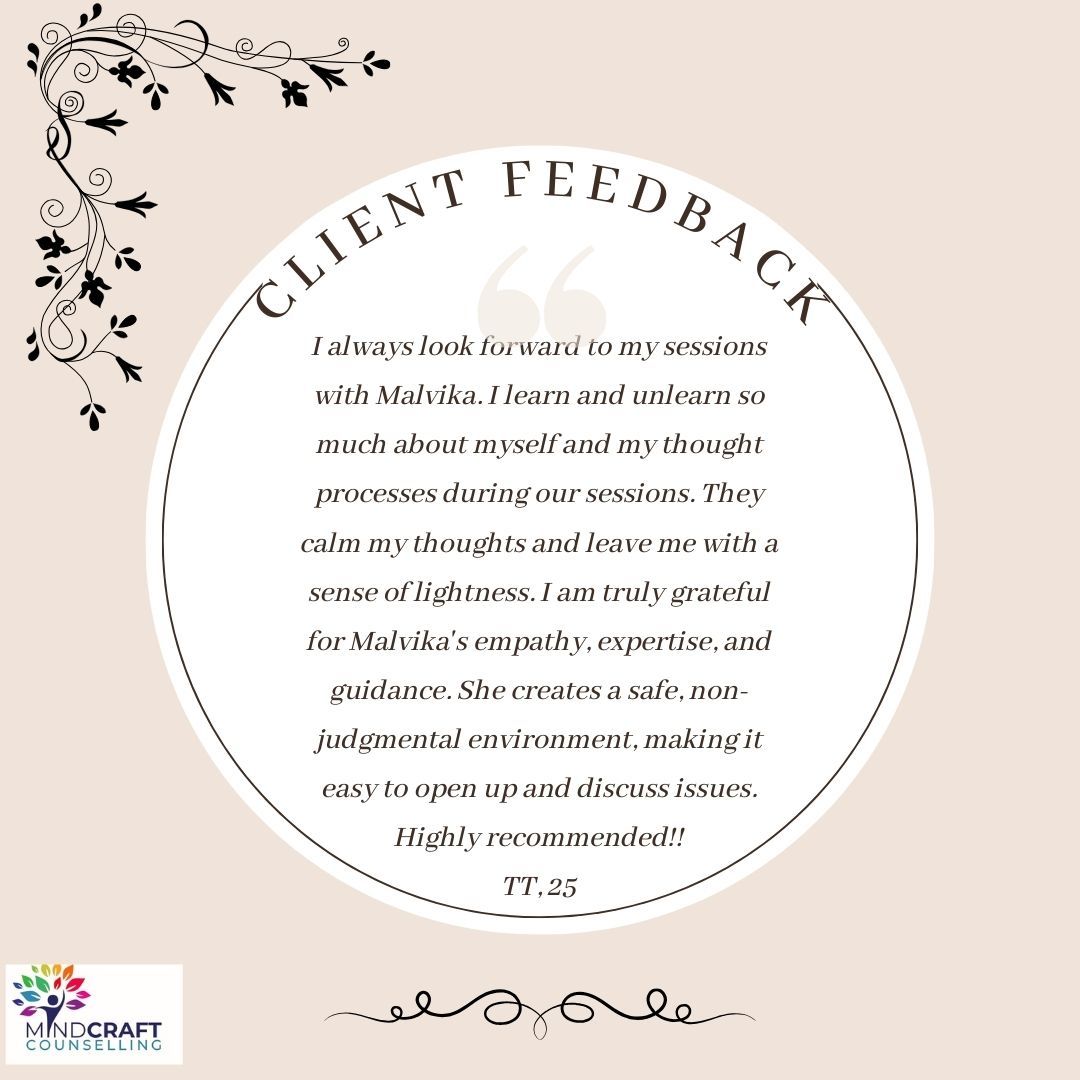
A client described leaving sessions with a sense of lightness, having learned and unlearned so much about their thought processes. Here's what that experience actually involves.
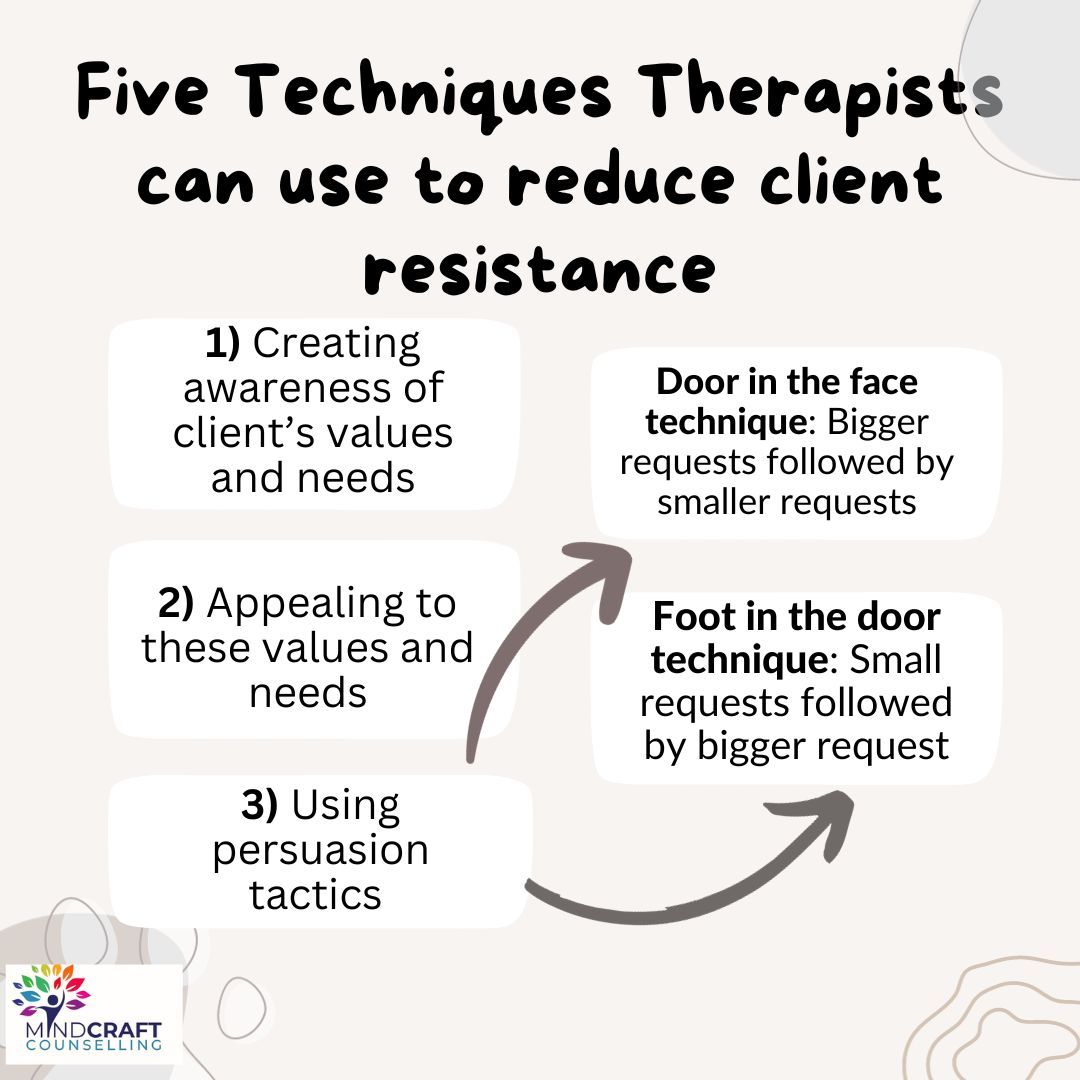
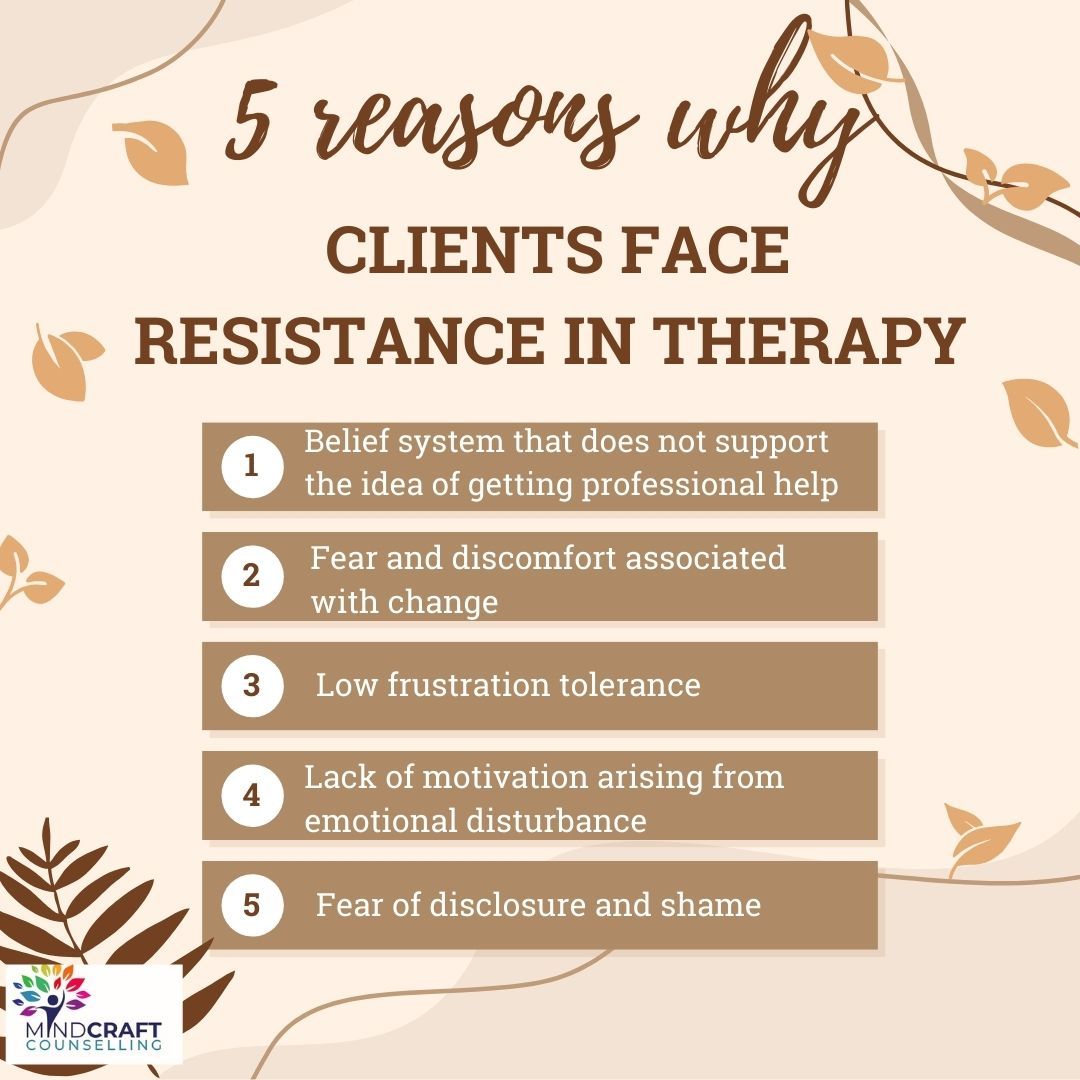
Resistance in therapy isn't stubbornness — it's protection. Here are five gentle ways counsellors lower it without pushing.
 3
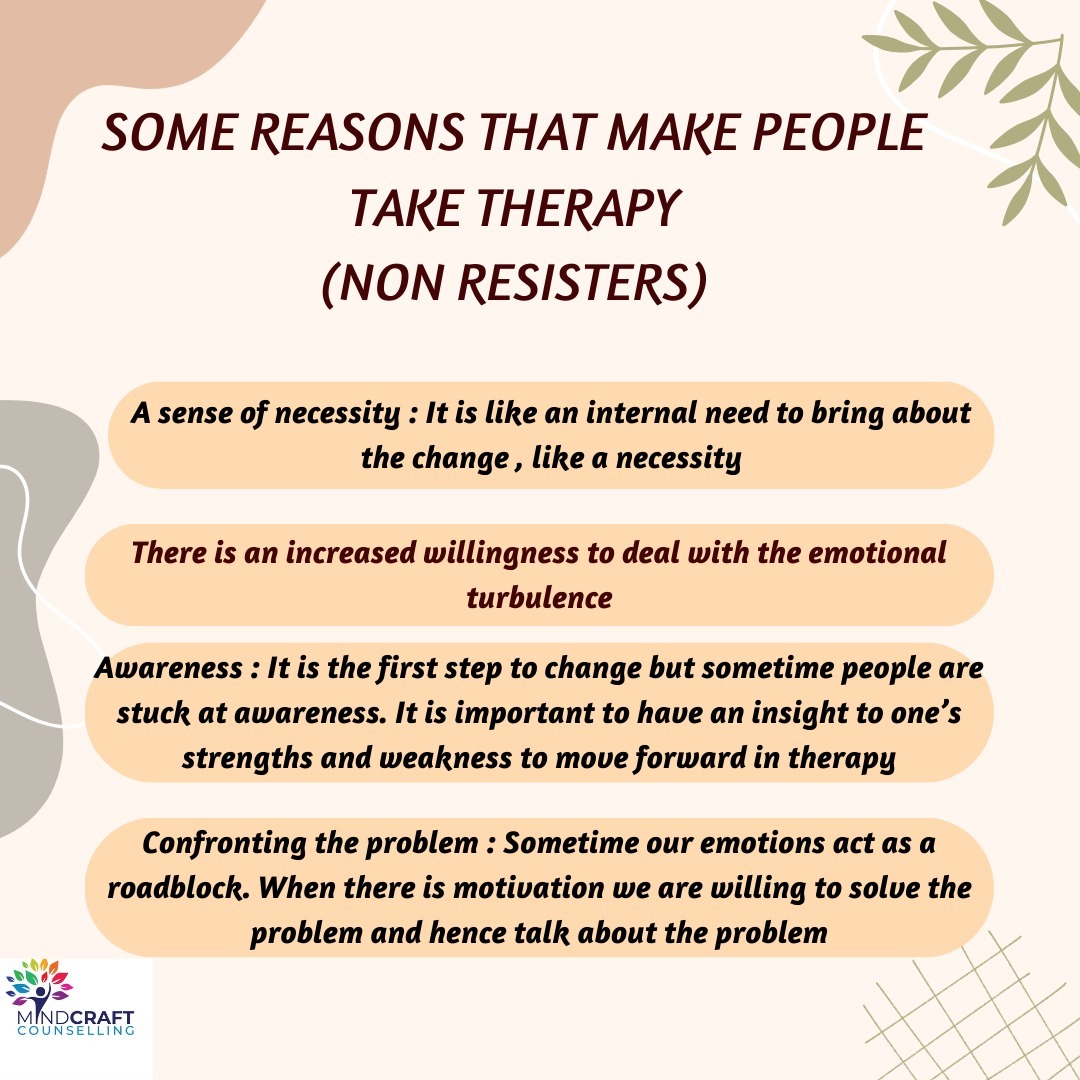
3 Plenty of people hesitate before booking a session, but something shifts when readiness arrives. Here are four quiet signs that someone is willing to seek help.
 2
2 Resistance before booking a session isn't a sign you're broken or unwilling. It's often a protective response — and naming it can make the first step feel possible.
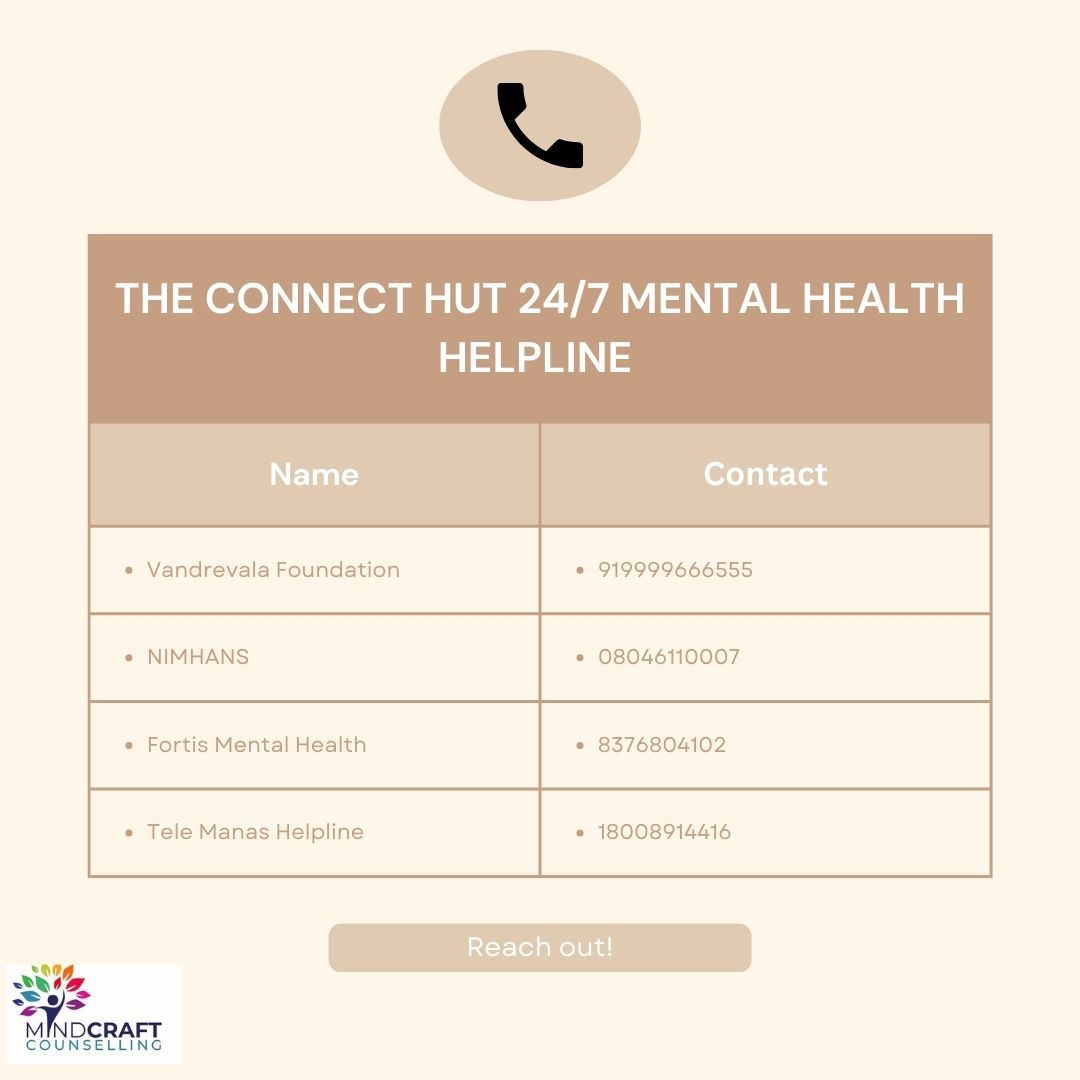
A short, practical guide to India's 24/7 mental health helplines, and a gentle reminder that asking for help is a strength, not a failure.
 6
6 Marking fifty posts, we pause to share what sitting with people in therapy has taught us about courage, change and the quiet privilege of being trusted.
 Video
Video Stress shows up in the body, the mind and our behaviour long before we name it. Learning to spot its intensity, timing and pattern is the first step towards relief.
 4
4 Anger gets a bad reputation, but it's one of our most informative emotions. Here's what it's actually doing and how to work with it rather than against it.
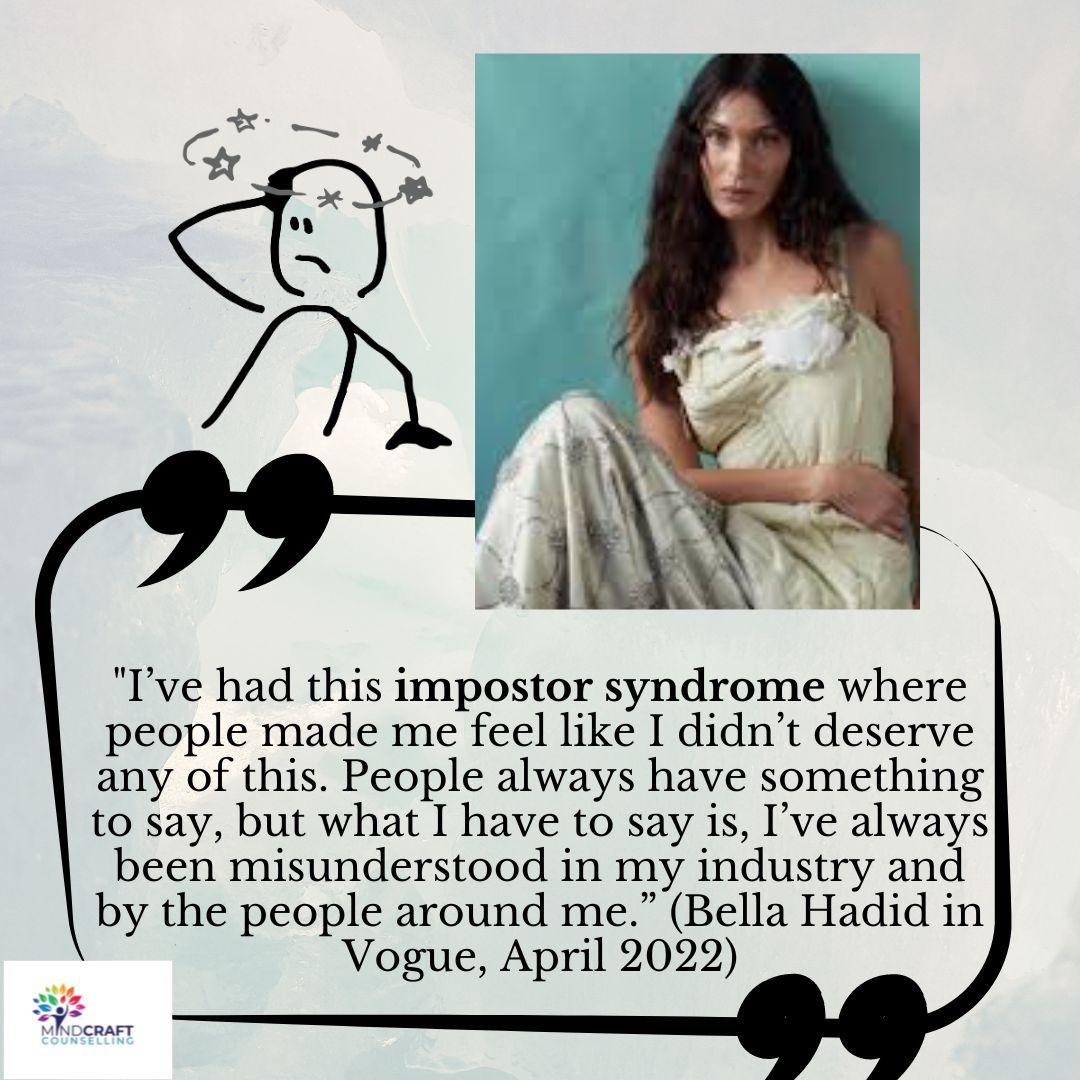 7
7 Even a supermodel like Bella Hadid has spoken about feeling like she didn't deserve her success. Impostor syndrome is far more common than the polished surfaces around us suggest.

A client who doubted therapy would work describes the quiet, almost unnoticed way things shifted. Here's what that experience tells us about how real change actually happens.
 5
5 Personality shapes how we move through life, but a few common beliefs make it feel like a cage. Here are four myths worth questioning, with the facts that free up a little room to grow.
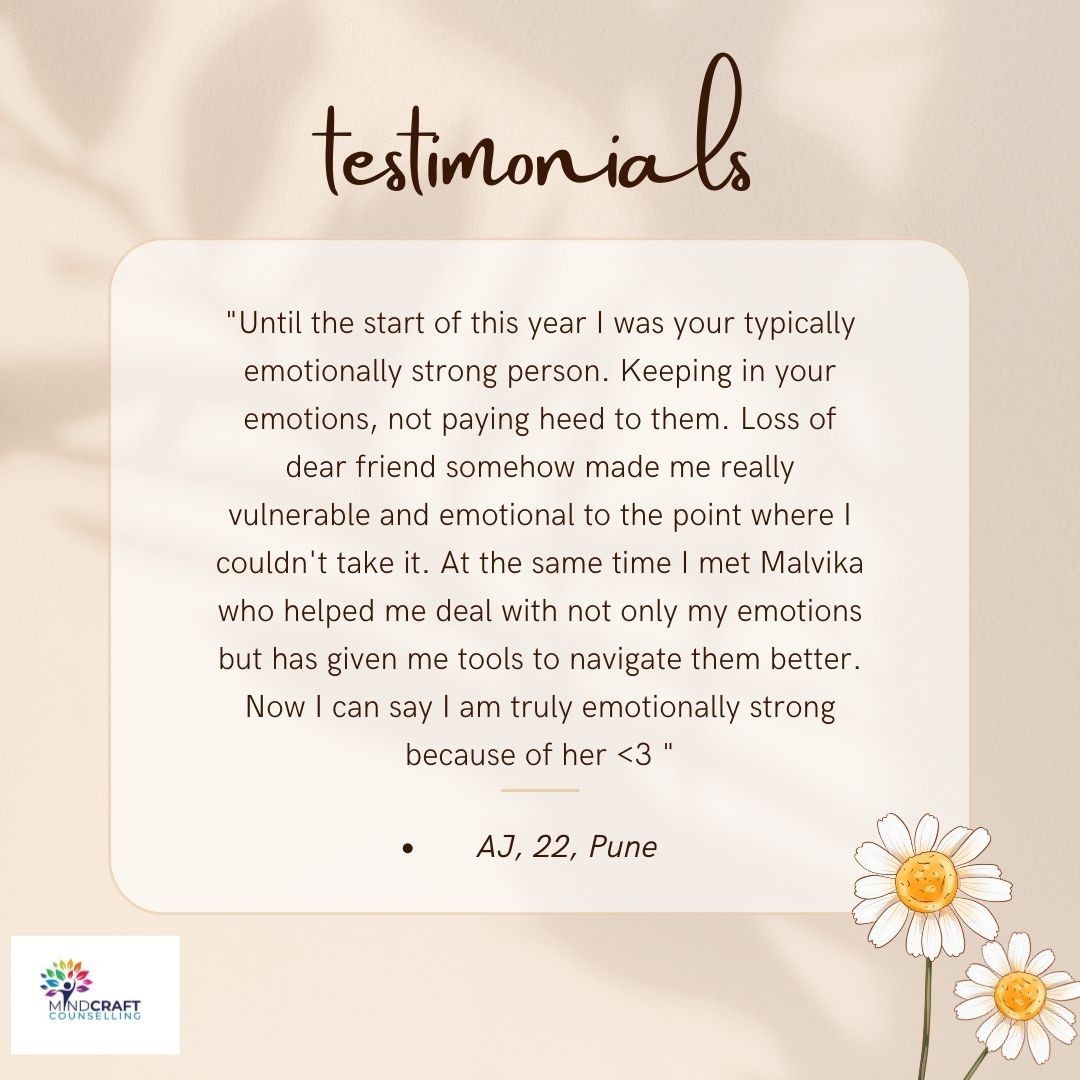
Many of us learn that being strong means holding everything in. A client's story shows why feeling your emotions, rather than suppressing them, is the real strength.
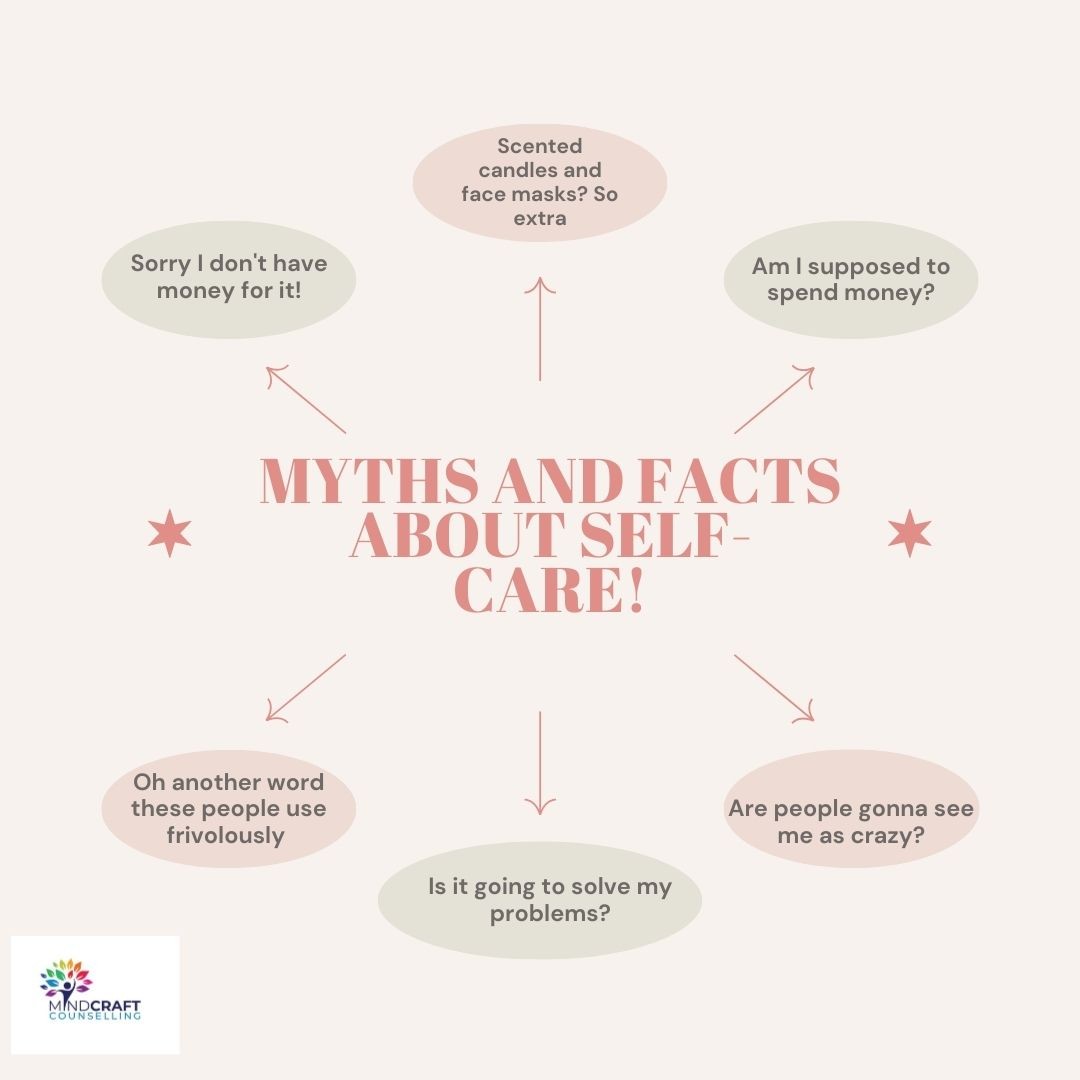 6
6 Self-care has become a buzzword loaded with eye-rolls, price tags and assumptions. Here's what it actually means, and why it's less about luxury than it sounds.
 7
7 The quiet assumptions that stop people from booking a first session — and what's actually true about therapy.
 7
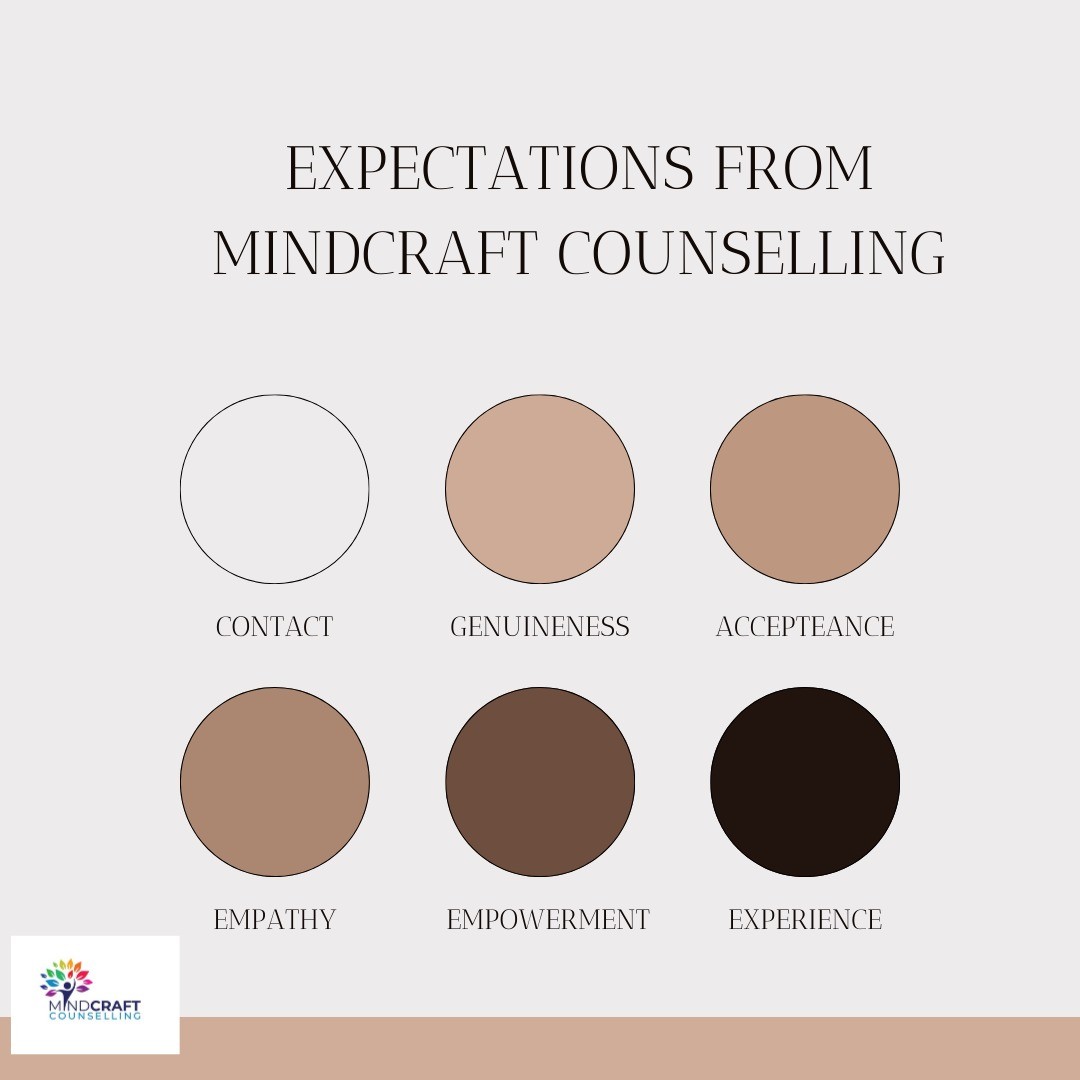
7 Good counselling isn't magic — it rests on contact, genuineness, acceptance, empathy and your own sense of being understood. Here's what we work towards in the room with you.
 Video
Video Sudden shifts in mood, sleep, energy or appetite often get brushed aside as nothing. These changes are usually signals worth listening to, not signs of weakness.
 6
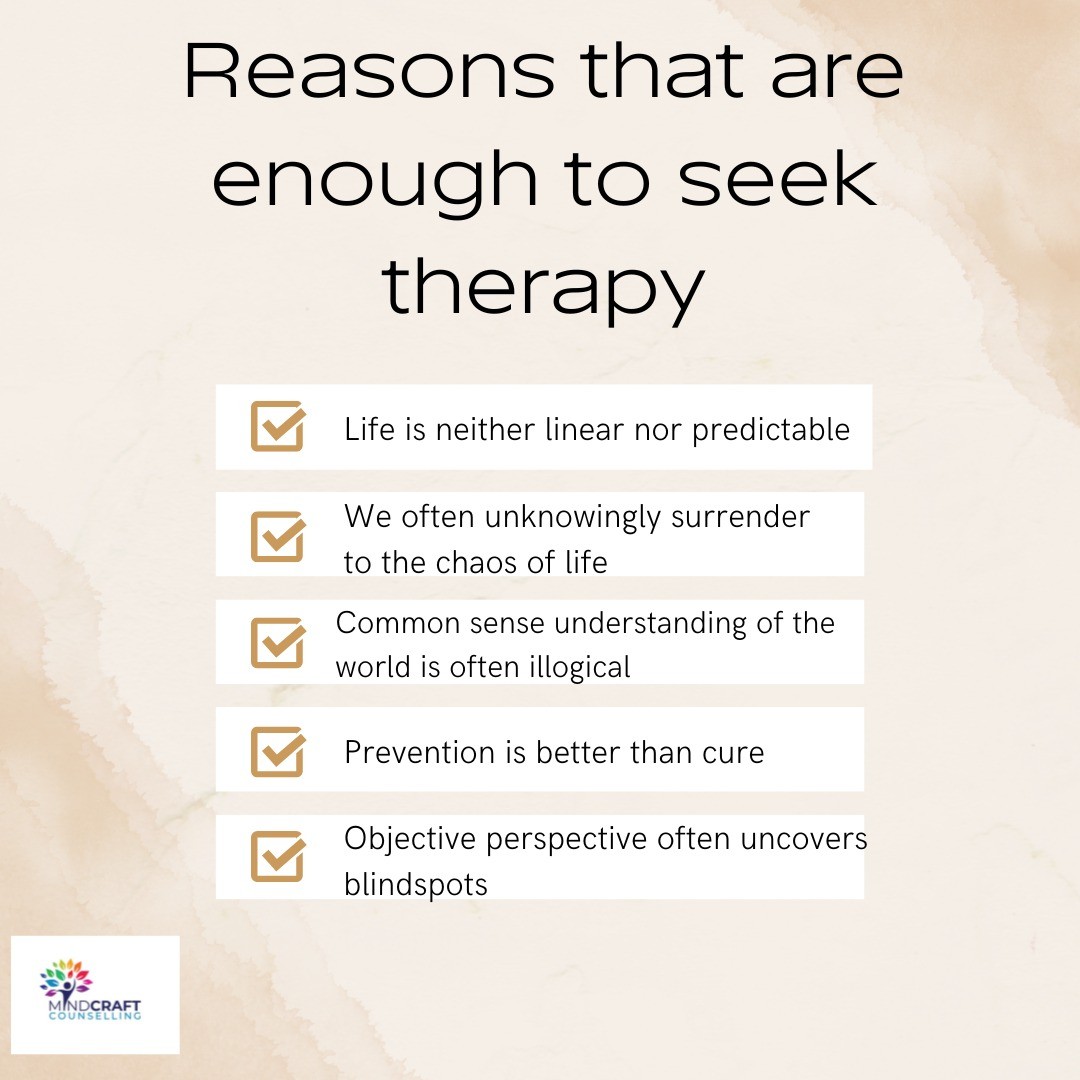
6 Many people delay therapy while they decide whether their problems are 'serious enough'. Here's why that test is the wrong first step — and what therapy actually offers.
 2
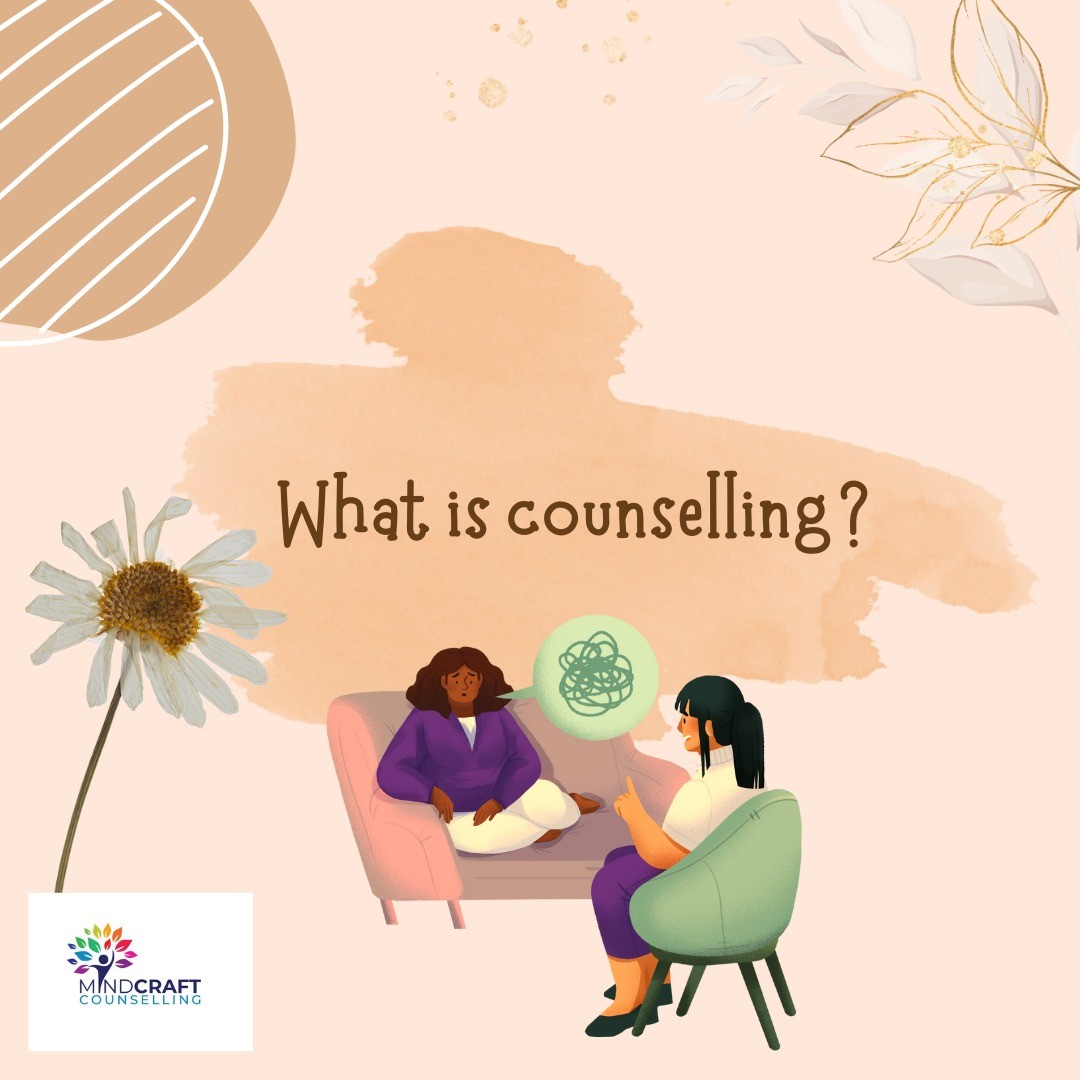
2 Many people decide against counselling before understanding what it really involves. Here's what actually happens in the room — and why it's more than a place to vent.
 3
3 Aboli Joglekar and Malvika Tandon built MindCraft on a simple belief — that hope, resilience and a safe place to be heard can shift almost any struggle. Here's where that conviction came from.
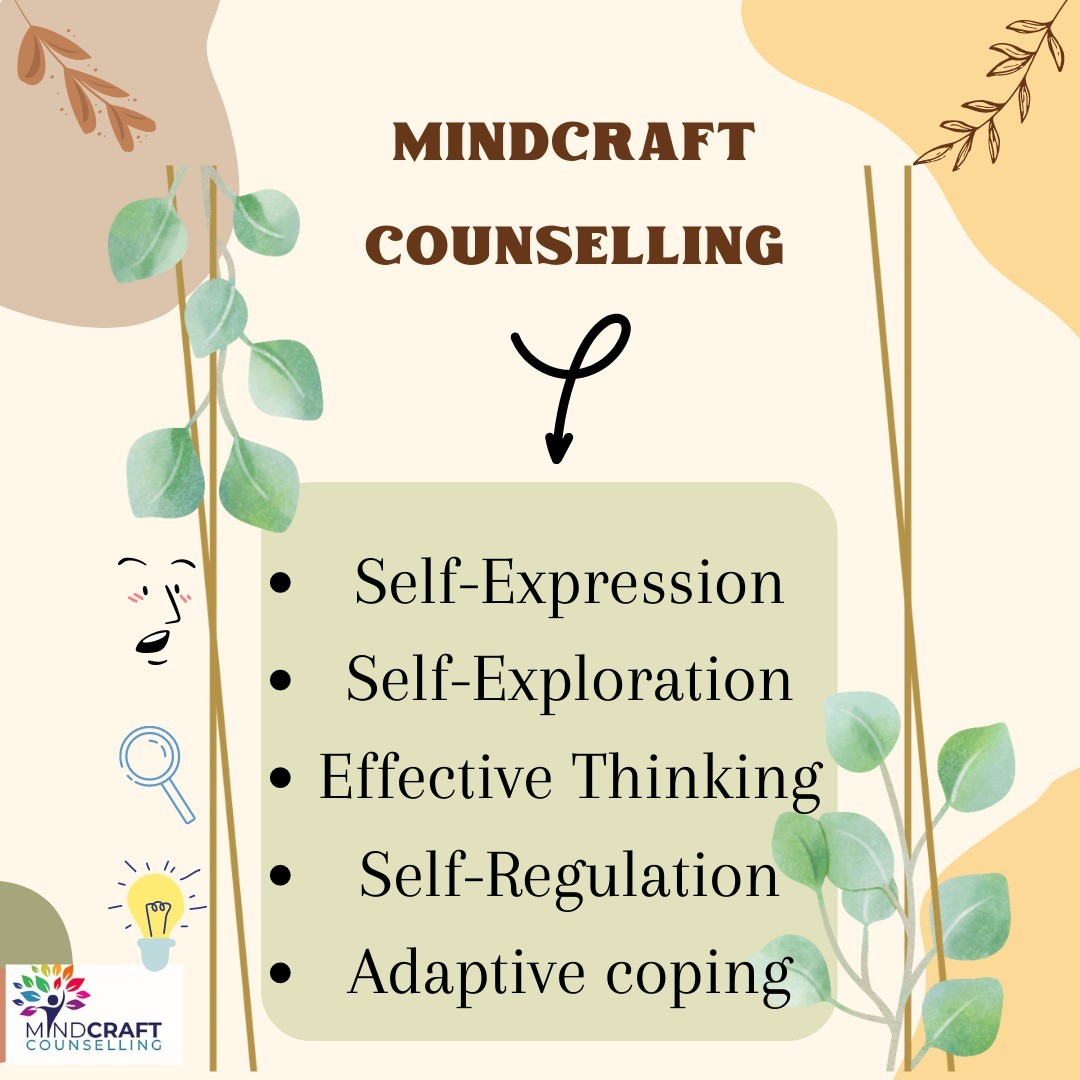
Counselling isn't advice-giving or mind-reading. It's a structured, personalised process built around self-expression, exploration, clearer thinking, emotional regulation and coping that works.