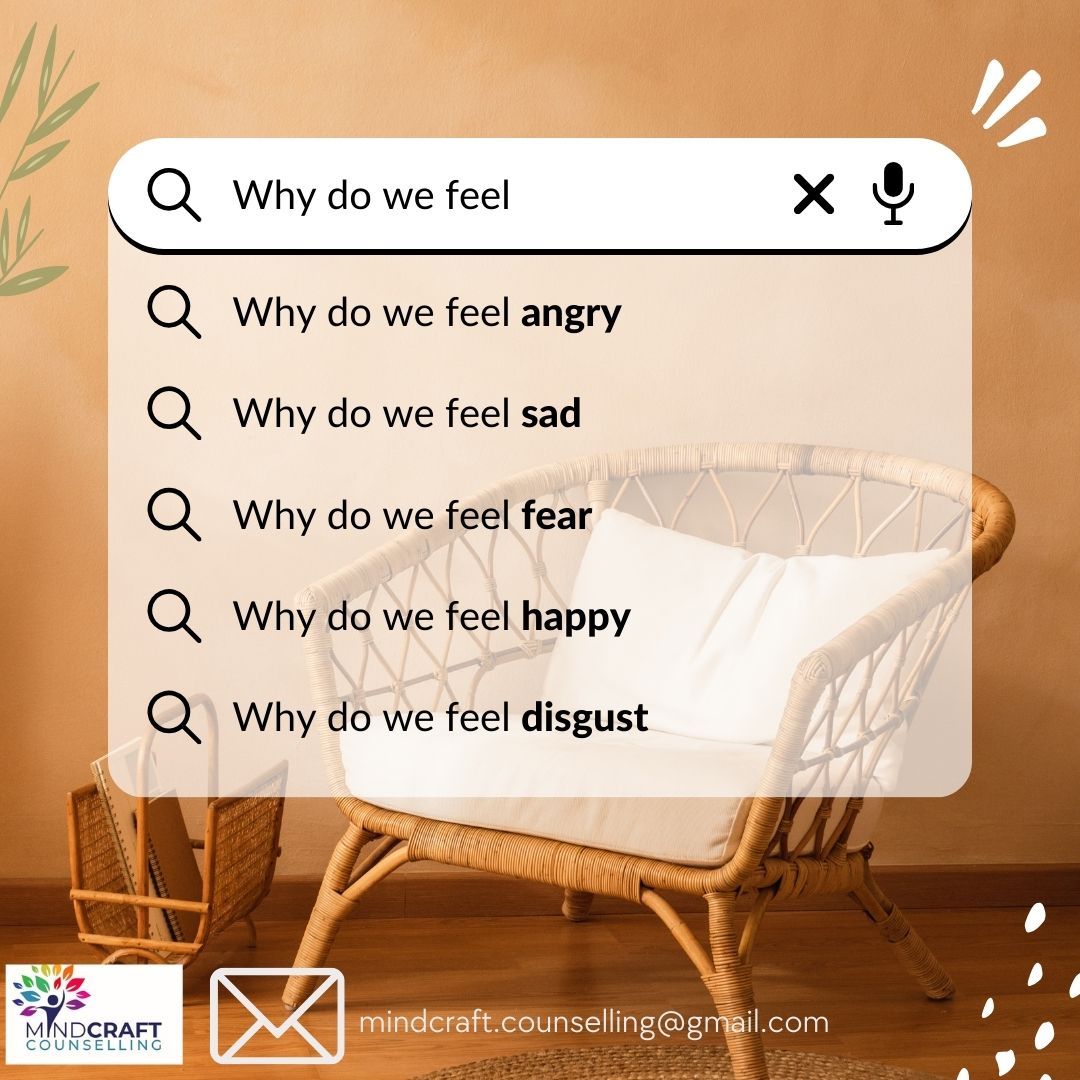
Type "why do we feel" into a search bar and anger comes up first, ahead of sad, fear and happy. That tells you something. Of all our emotions, anger is the one that unsettles us most — and the one we most want explained, controlled, or made to go away.
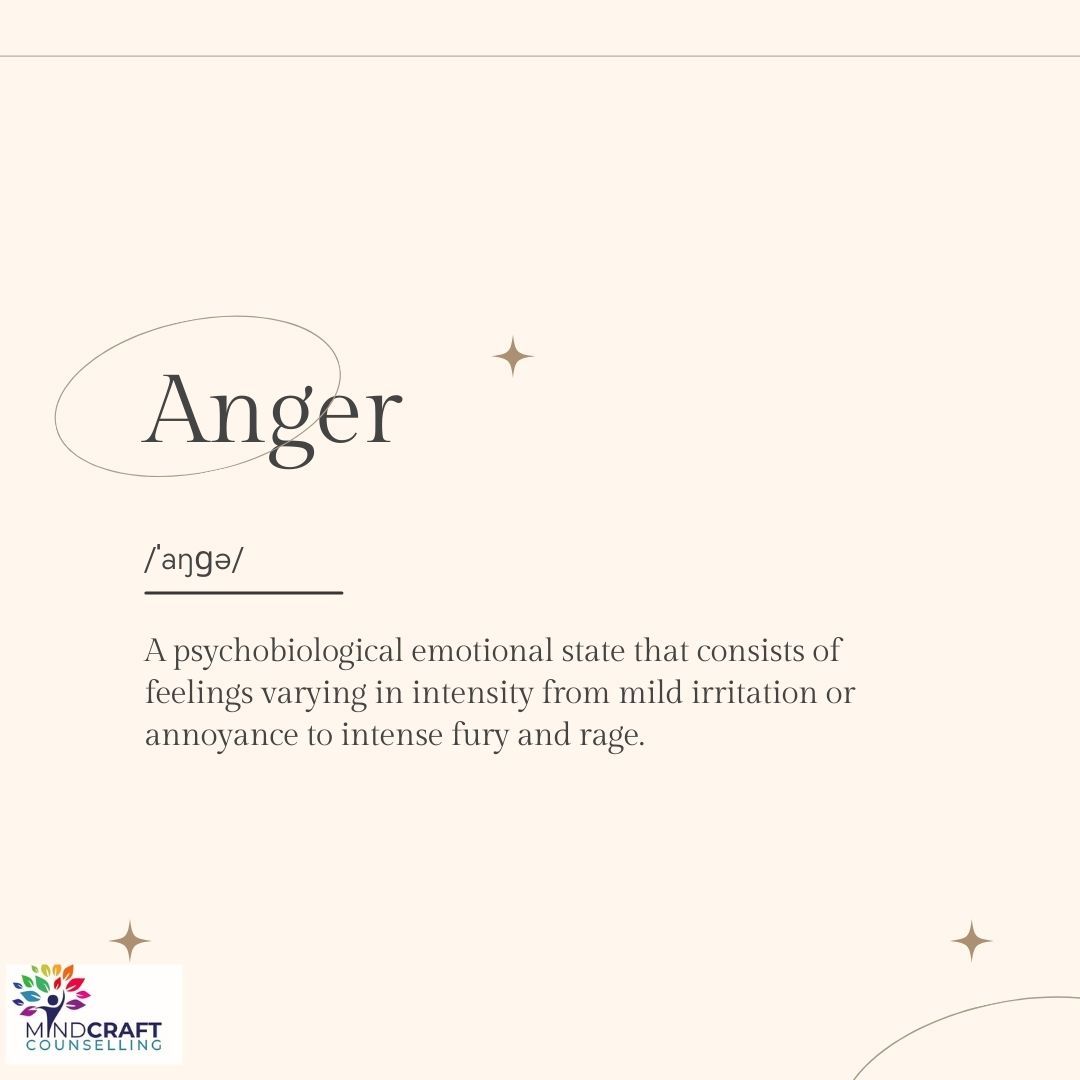
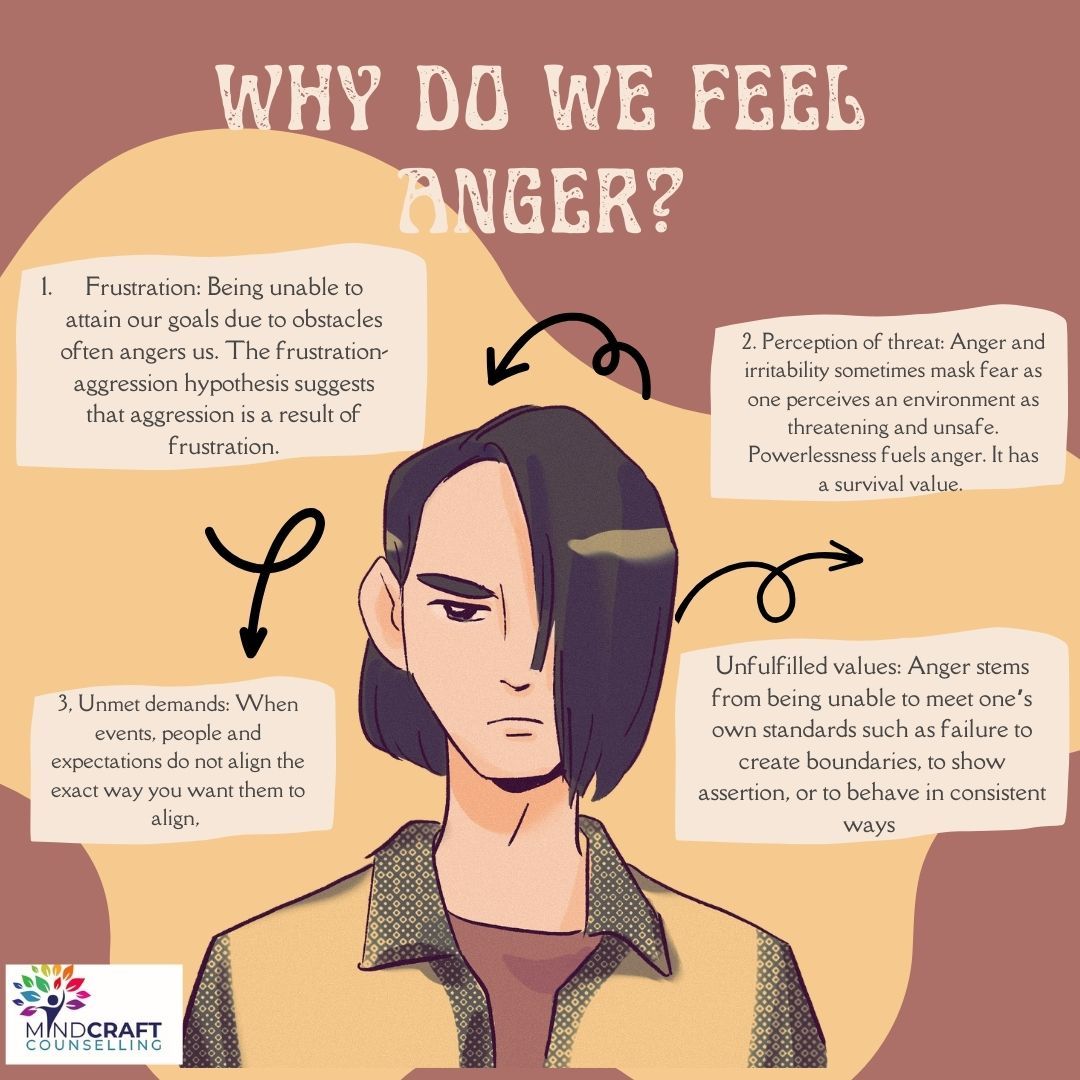
But anger isn't a malfunction. It's a signal. At its core, anger shows up when something we care about feels threatened: a boundary crossed, a need ignored, an injustice we can't look past, a value stepped on. The body responds fast — heat in the chest, a clenched jaw, a quickening pulse — because anger is wired to mobilise us. It's the emotion that says this matters, and something needs to change.
The problem isn't the feeling
Anger gets a bad name because of what we sometimes do with it — the slammed door, the words we can't take back, the cold silence that lasts days. But the feeling itself is honest. It often sits on top of something softer: hurt, fear, exhaustion, the sense of being unseen. When someone snaps over a small thing, the small thing is rarely the real story.
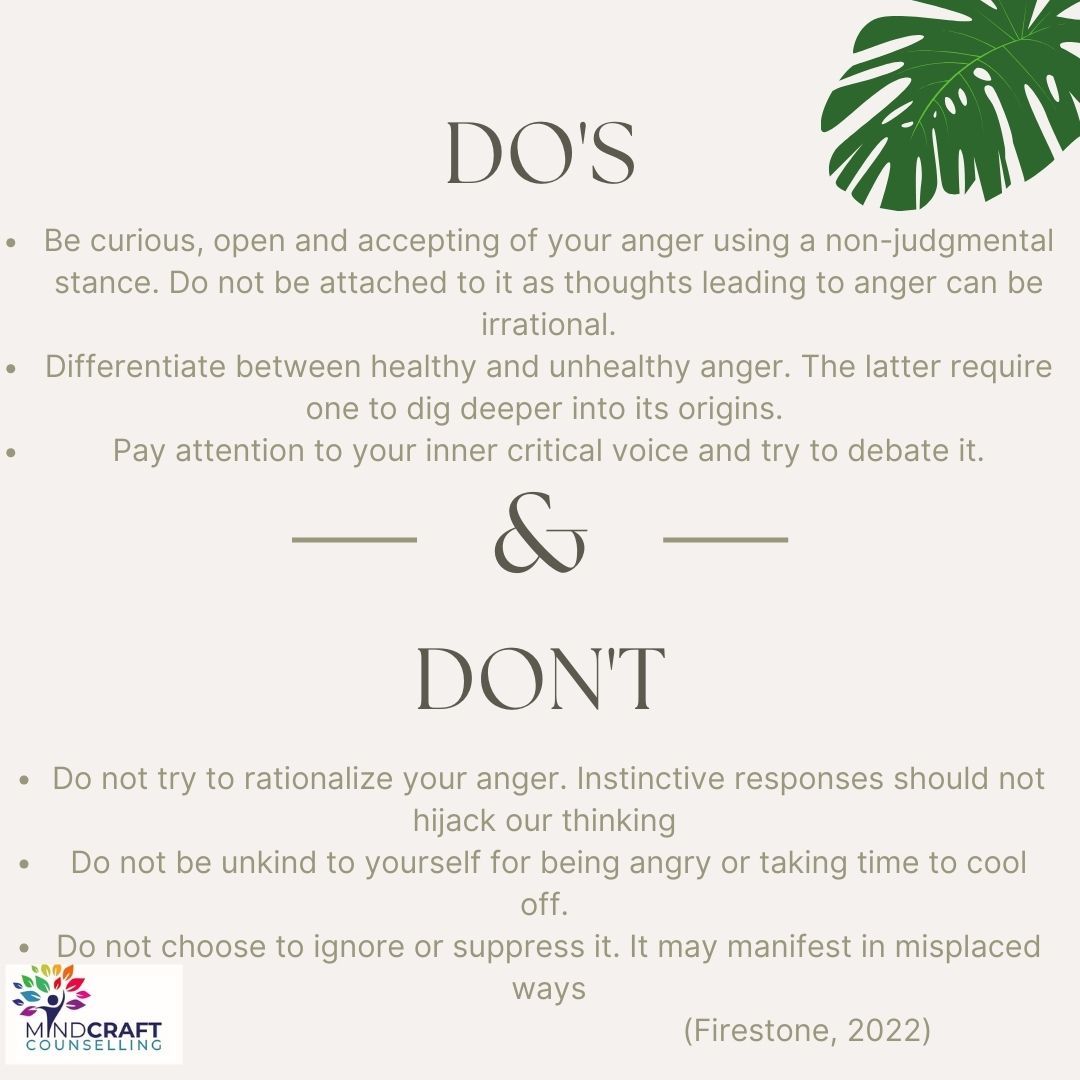
That's why "just calm down" so rarely works. Suppressing anger doesn't dissolve it; it usually drives it underground, where it leaks out as resentment, sarcasm, or a body that's always braced for the next thing.
Listening to what's underneath
Instead of asking how to stop feeling angry, it can help to ask what the anger is pointing at. A few gentle questions:
- What just got threatened? A boundary, your time, your dignity, someone you love?
- What am I actually feeling underneath? Often there's hurt or fear hiding below the heat.
- What do I need right now? Space, respect, an apology, rest, to be heard?
Anger answered honestly tends to settle. Anger ignored tends to grow.
Working with it in the moment
When the feeling is intense, the goal isn't to argue yourself out of it — your nervous system won't listen to logic mid-surge. The goal is to give yourself a pause long enough to choose your response rather than fire it off.
Step away if you can, even briefly. Slow your breath out longer than your breath in; it tells the body the emergency is passing. Name it plainly to yourself: I'm angry, and that's allowed. Then, once the heat drops a few degrees, decide what you want to say or do — from the part of you that still cares about the relationship, not just the part that wants to win.
When anger feels too big
Sometimes anger arrives faster and harder than the situation seems to warrant, or it's directed at the people we least want to hurt. That's usually a sign there's older pain feeding it — and it's worth understanding, not judging. Talking it through with someone can help you trace where the heat is really coming from.
Anger isn't the opposite of being a calm, kind person. It's often the very thing that tells you where your limits are, and where your care lives. The work isn't to silence it. It's to let it speak, and then decide what to do with what it says.