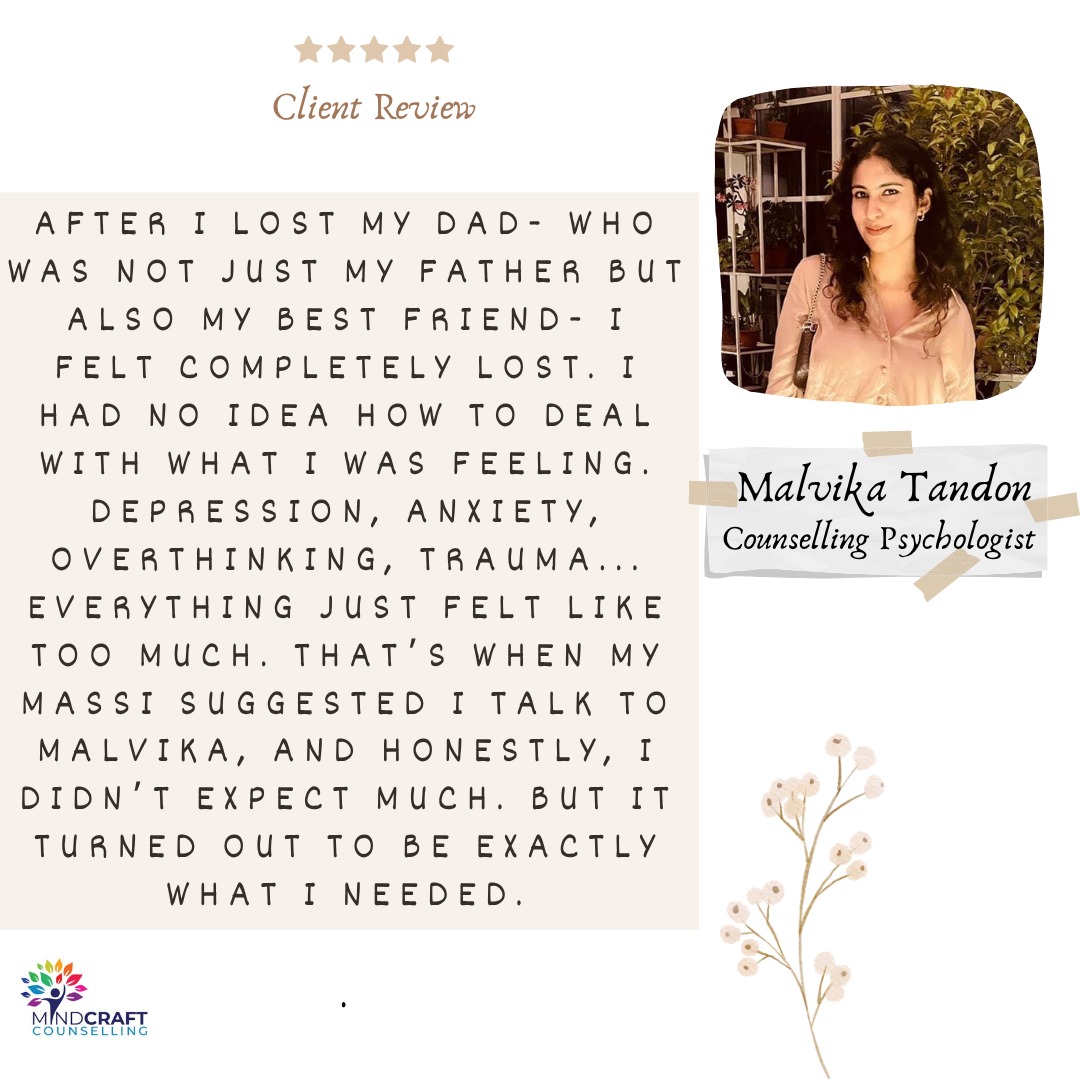



A client recently shared what it was like to lose their father — not just a parent, but their best friend. "I felt completely lost," they said. "I had no idea how to deal with what I was feeling. Depression, anxiety, overthinking, trauma… everything just felt like too much." That sentence holds something many grieving people recognise: the sense that loss doesn't arrive as one clean feeling but as a flood, with everything happening at once.
When the person you lose was also the person you turned to, grief carries a double weight. You're mourning them, and you've also lost the very relationship you'd normally lean on in hard times. The instinct to call them, to tell them something funny, to ask their advice — it doesn't switch off because they're gone. It keeps reaching for someone who isn't there.
Why grief can feel like everything at once
Grief rarely behaves the way we expect. It doesn't move in neat stages. It loops, surges, and goes quiet, then returns when you least expect it. The depression, anxiety, and overthinking our client described aren't signs of doing grief wrong. They're often part of how the mind and body absorb a shock this large.
Anxiety can show up because the ground beneath you has genuinely shifted. Overthinking is sometimes the mind's attempt to make sense of something that doesn't make sense. And the heaviness that looks like depression is, in part, the sheer effort of carrying a loss this big through ordinary days. None of it means you're broken. It means you loved someone deeply.
You don't have to know how to do this
"I had no idea how to deal with what I was feeling." Most people don't. We aren't taught how to grieve, and the people around us, however well-meaning, often don't know what to say. So we go quiet, or we pretend we're coping, or we wait for it to pass on its own.
What helped our client was being gently nudged toward support — a suggestion from their aunt to talk to someone. They didn't expect much. Many people don't, especially when they're already exhausted. But having a steady, non-judgemental space made a difference: somewhere to put the feelings down, name them, and not have to hold it all alone.
What support can actually offer
Counselling won't undo a loss or speed grief along. What it can do is help you carry it.
- A place to fall apart safely, without managing anyone else's reaction.
- Help untangling the layers — separating grief from anxiety from the harsh self-talk that often tags along.
- Permission to grieve in your own way, at your own pace, without a deadline.
- Small, steadying tools for the days when everything feels like too much.
There's something quietly moving in watching someone move from "completely lost" to "exactly what I needed." Growth after grief isn't about getting over the person — you don't, and you shouldn't have to. It's about slowly building a life that holds both your love for them and your ability to keep living.
If you've lost someone who was woven into your daily life, and you don't know how to begin again, that uncertainty isn't a failing. It's the most human response there is. And reaching out, even when you don't expect much, can be the start of finding your footing.