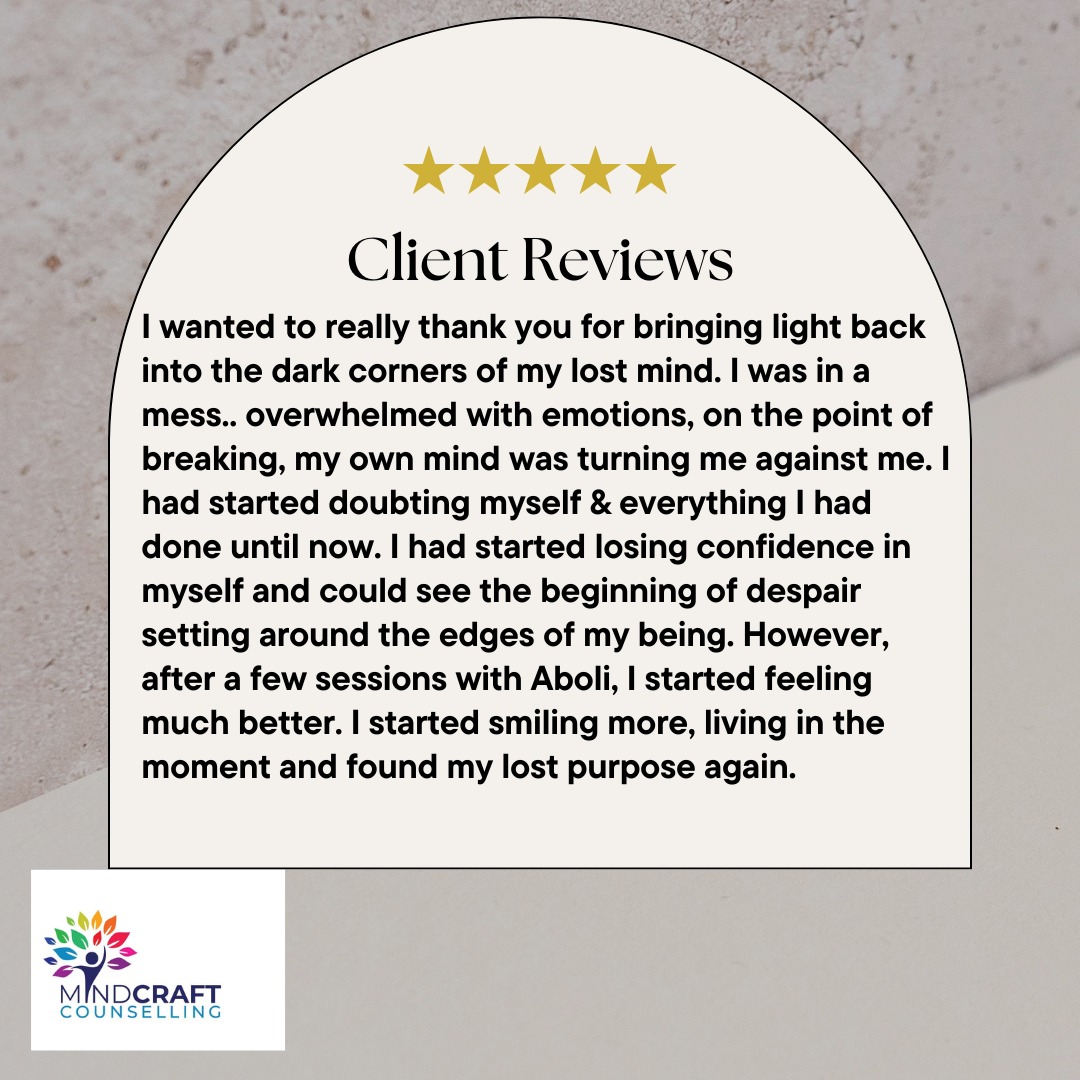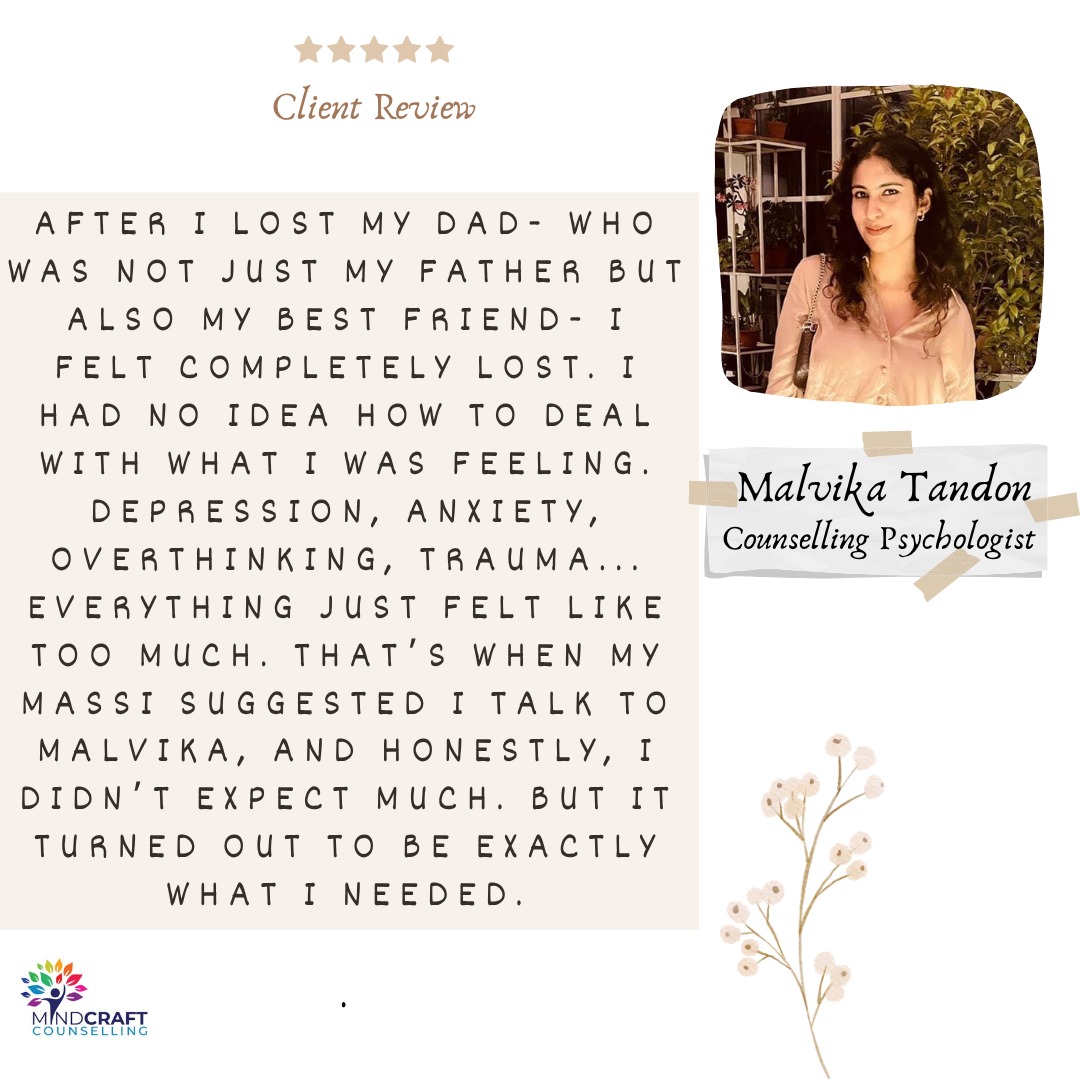


A client recently described her year of counselling in a few plain sentences: she felt listened to patiently, she felt safe, and she could speak about anything without fear of being judged. There's nothing dramatic in that description, which is exactly why it matters. The quiet experience of being heard, properly heard, is often the thing people have been missing for a very long time.
Bessel van der Kolk once called therapy a gift — a chance to finally be heard, understood, and supported. That framing is worth holding onto, because so many people arrive at counselling assuming they have to earn that reception. They rehearse what they'll say. They worry about taking up too much space, or about being told they're overreacting. The relief, when it comes, is often less about advice and more about discovering that none of that bracing was necessary.
Why feeling safe comes first
You cannot think clearly about a painful thing while you're also bracing for criticism. Part of your attention is always elsewhere, managing how you might be seen. Safety in the counselling room isn't softness for its own sake — it frees up the mental room you need to actually look at what's troubling you.
When a person feels they won't be judged, a few things tend to shift:
- They share the parts they usually edit out, which are often the parts that matter most.
- They slow down enough to notice what they're really feeling, rather than the tidy version they tell others.
- They stop performing being fine and let themselves be honest about not being fine.
This is why patience and consideration from a counsellor aren't extras. They're the conditions that make the deeper work possible at all.
The privilege on the other side of the chair
Aboli puts it simply: the greatest privilege of this work is that clients trust her to sit with them in their pain. Being allowed into someone's harder moments, and being asked to hold steady there, is not something to take lightly. It's also a reminder that healing happens between two people, not by one expert fixing another.
There's a quieter truth in this too. Doing meaningful work, work that contributes to someone else's life, shapes the person doing it. It keeps a sense of purpose alive. That's true whether you're a counsellor or someone showing up for a friend, a parent, a colleague who is struggling.
If you're considering counselling
You don't need to have everything worded perfectly before you begin. A good therapeutic relationship is built slowly, and feeling comfortable can take a few sessions. Some gentle things to remember:
- It's reasonable to want a counsellor you feel safe with — fit matters, and it's okay to take time finding it.
- You're allowed to bring the messy, half-formed thoughts. Sorting them out is part of the work, not a prerequisite for it.
- Being heard is not a luxury you have to deserve. It's a basic human need, and there's no shame in seeking it.
Most people don't remember the clever interpretations from their therapy. They remember how it felt to finally say the thing out loud and not be flinched away from. That experience, repeated week after week, is how trust forms — and trust is where change quietly begins.