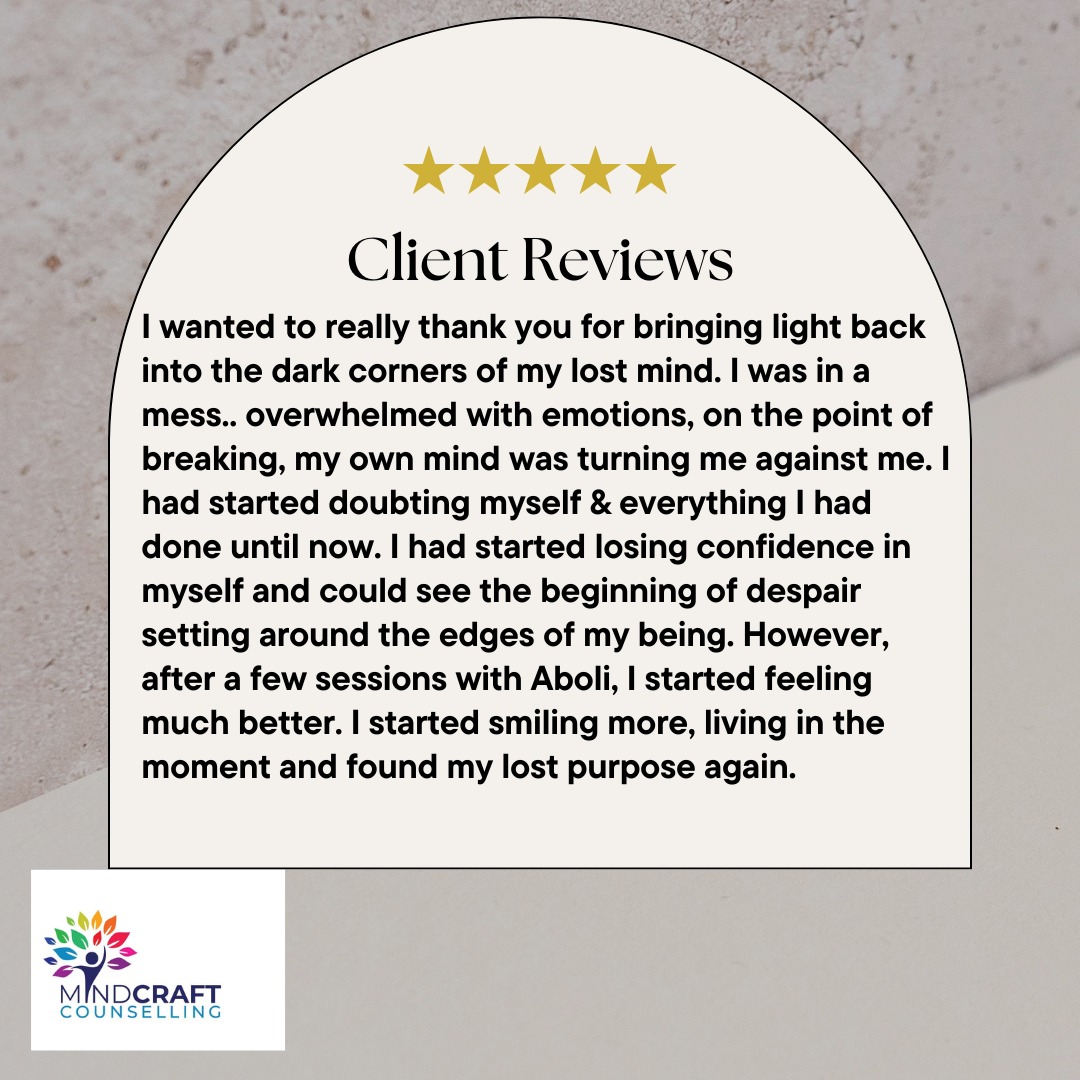

One of the hardest things a person can carry is the sense that their own mind has become the problem. Not the job, not the relationship, not the circumstances — but the constant inner voice that doubts, criticises and replays every decision until confidence drains away. A recent message from someone we worked with named this exactly: "my own mind was turning me against me." That line stays with us, because so many people feel it and assume they're alone in it.
When you reach that point, despair doesn't usually arrive in one dramatic moment. It settles "around the edges," as they put it — a slow erosion of trust in yourself. You start questioning not just the present but everything you've done up to now. The achievements blur. The good choices feel like luck. And the self that used to feel steady seems to slip out of reach.
Why self-doubt snowballs
When we're overwhelmed, the mind tends to scan for threat and evidence of failure. It's trying to protect you, but it overshoots. Every uncertainty becomes proof that you can't be trusted to handle things. This loop is exhausting because there's no exit inside it — the more you think, the more reasons the mind finds to doubt. Breaking the cycle usually needs something from outside it: another perspective, a calmer voice, a place to set the thoughts down and look at them.
What therapy actually offers
Therapy isn't someone handing you the answers. It's a collaborative process, and that word matters. The counsellor brings structure, attention and a way of seeing patterns you're too close to notice. You bring the harder part — your honesty, your willingness to show up even when it feels pointless, and your courage to stay open when shutting down would be easier.
Progress tends to come from a handful of unglamorous things:
- Consistency — turning up to sessions even on the weeks you'd rather not.
- Insight — being willing to look at uncomfortable patterns honestly.
- Trust in the process — letting things unfold rather than demanding instant fixes.
None of this is dramatic. It's quiet, steady work. But it's why people start to notice small returns of life — smiling more easily, being present in a moment instead of trapped in their own commentary, remembering what they actually care about.
Finding purpose again is not the same as faking positivity
When someone says they "found their lost purpose again," it's tempting to imagine a sudden burst of motivation. More often it's subtler: the fog lifts enough that things start to matter again. You're not pretending to feel fine. You're slowly rebuilding a relationship with yourself that doubt had damaged.
If you recognise yourself in any of this — overwhelmed, on the edge of breaking, your mind working against you — please know that this state can change. It isn't a character flaw or a permanent verdict on who you are. It's a sign you've been carrying too much without support. The light doesn't come back all at once, but it does come back, especially when you stop trying to fight your mind alone.