
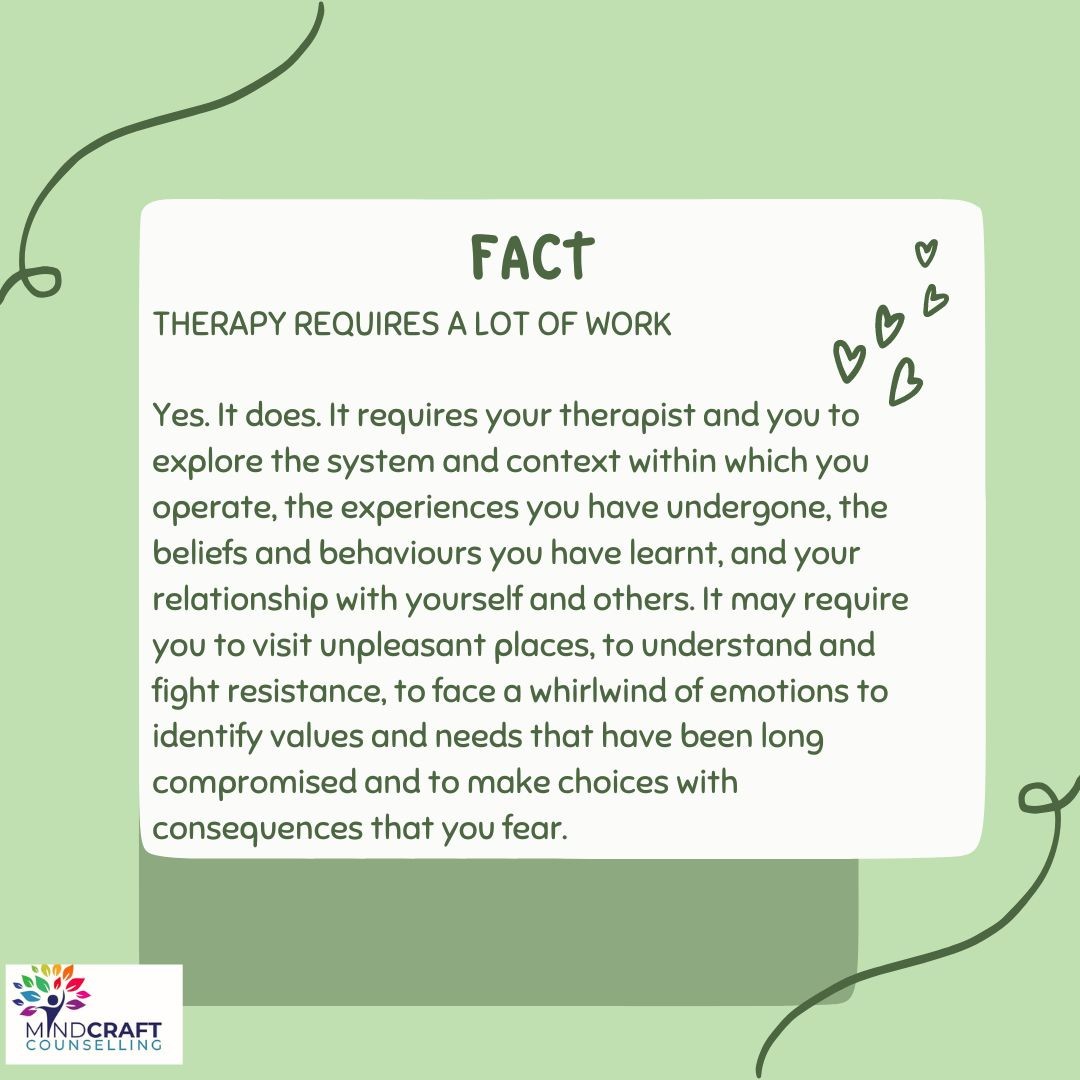
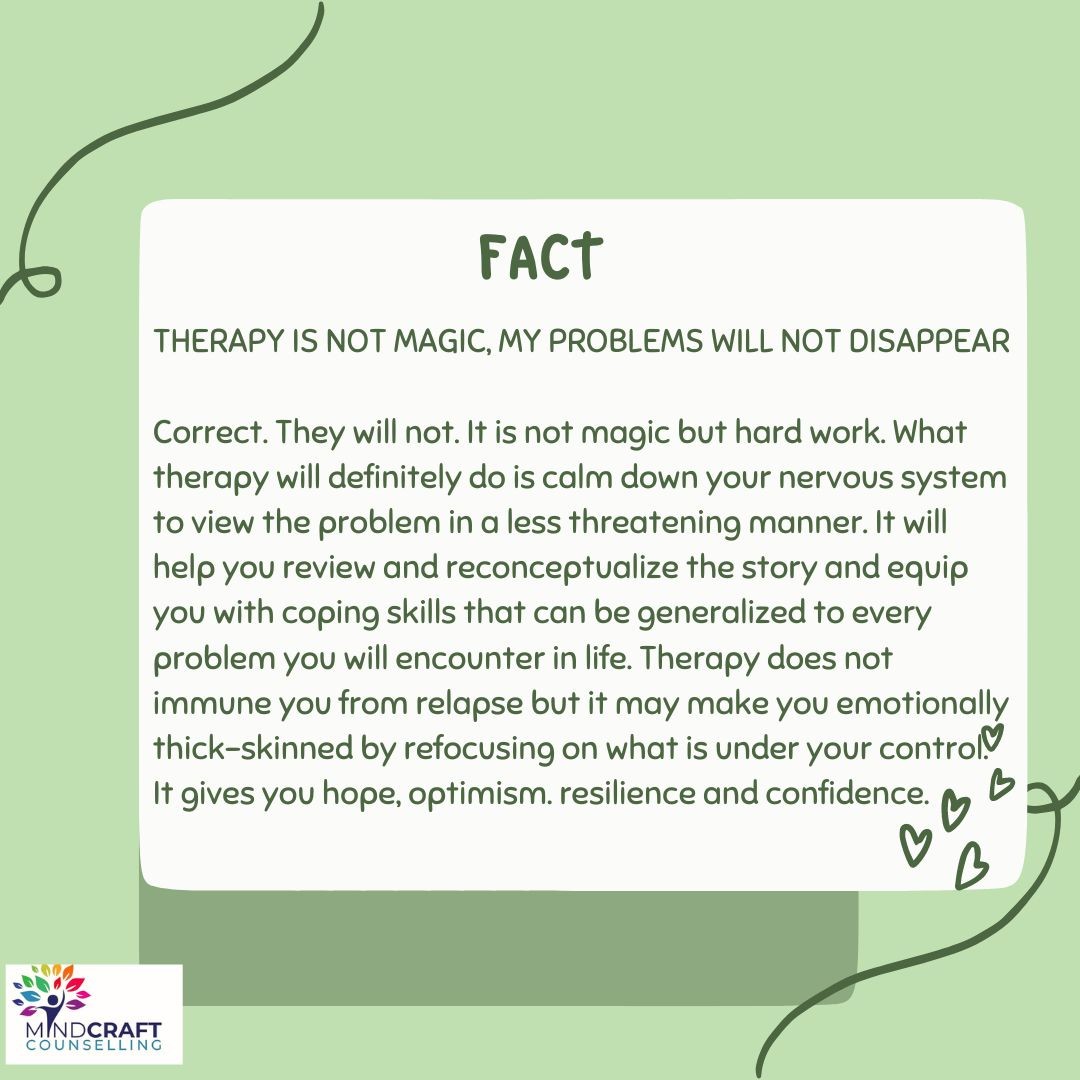
Most people don't avoid therapy because they think it's useless. They avoid it because of a few quiet assumptions that sit in the back of the mind and make booking that first session feel harder than it should. Those assumptions are worth saying out loud, because once you look at them directly, many of them fall apart.
"Therapy is only for serious problems"
There's a belief that you have to be in crisis to deserve a counsellor's time. In practice, people come for all sorts of reasons — a decision they can't make, a relationship that keeps catching on the same snag, a low mood that has no obvious cause, or simply wanting to understand themselves better. You don't need to be falling apart to benefit. Sometimes the most useful work happens long before things reach breaking point.
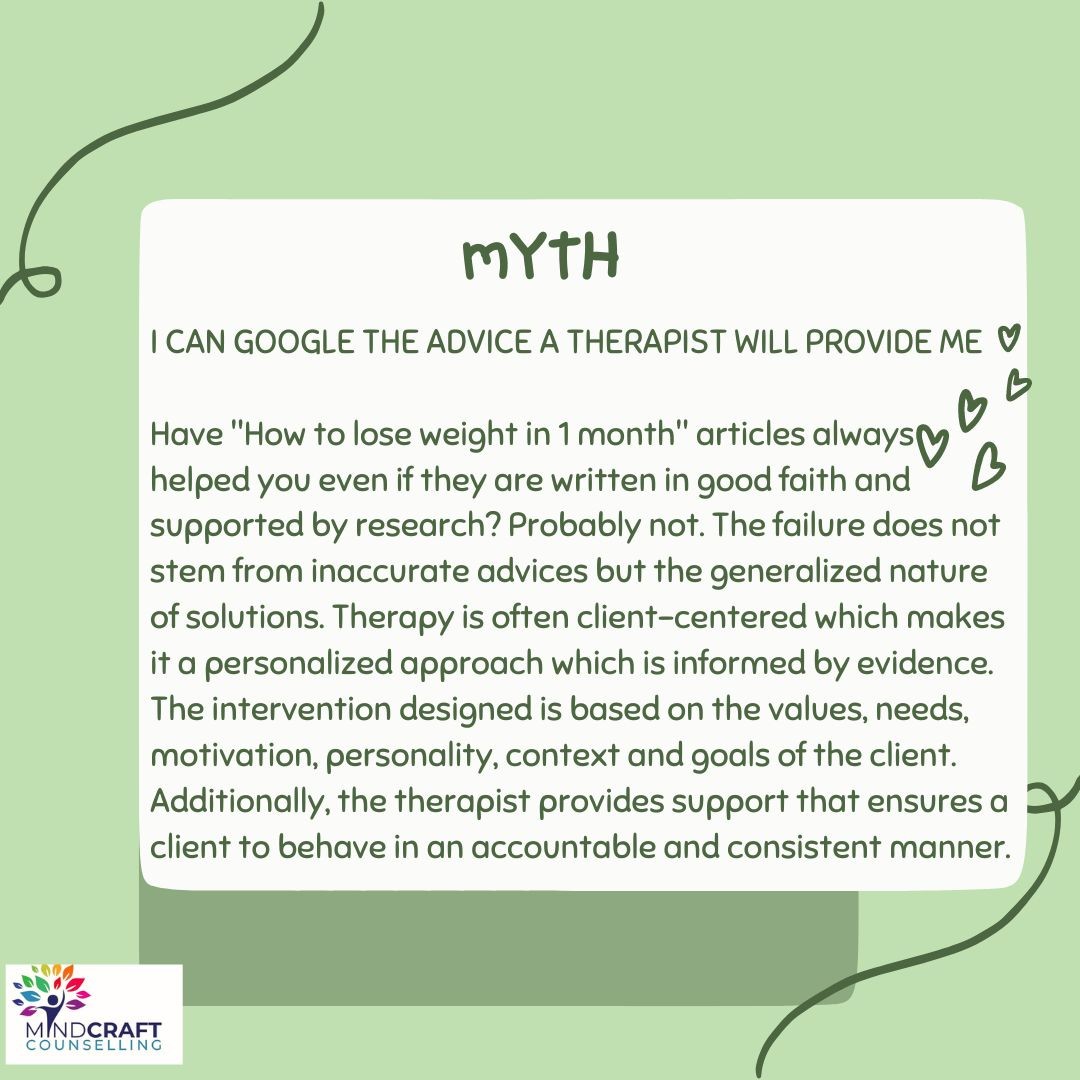
"Talking to a friend is the same thing"
Friends matter, and good ones are a lifeline. But a friend is part of your life, with their own feelings about your choices. A counsellor offers something different: a space with no agenda, no need to reassure or be reassured, and training in how change actually happens. You can say the things you'd never burden a friend with, and you won't owe anyone an emotional return.
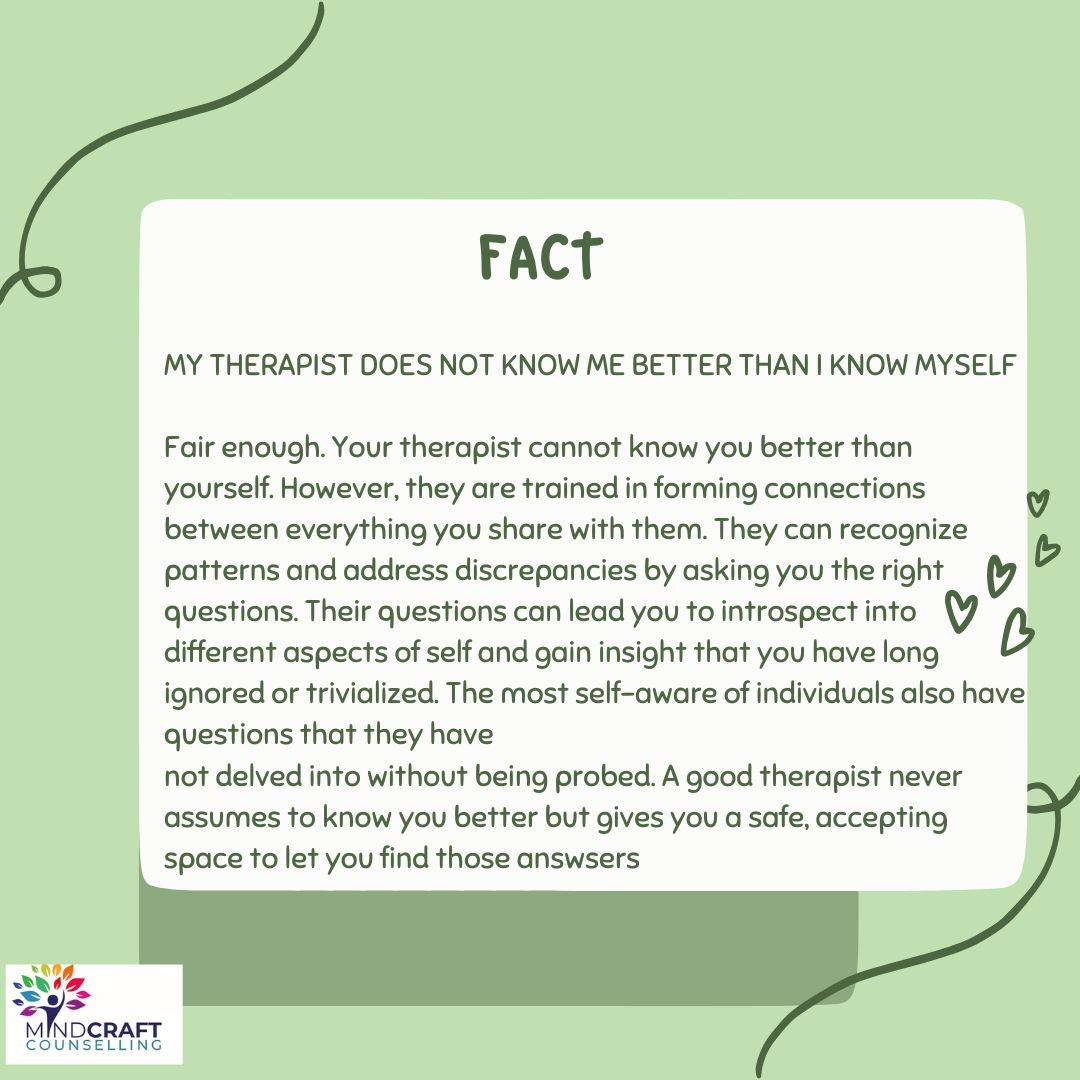
"The therapist will just tell me what to do"
Good therapy rarely works by instruction. It works by helping you hear your own thinking more clearly, notice patterns you'd stopped seeing, and find answers that fit your life rather than someone else's idea of it. You stay in charge. The counsellor walks alongside, asking questions you might not have asked yourself.
"Needing help means I'm weak"
This one runs deep, especially for people used to being the dependable ones. Reaching out takes more honesty and courage than carrying everything silently. Asking for support is a skill, not a failing — and the people who learn it tend to cope better, not worse.
"It takes years and goes nowhere"
Some work is long; plenty is not. Many people come for a focused number of sessions around a specific concern and leave with something concrete. The pace depends on what you're working on and what you want. You can review together how it's going, and you're never locked into anything.
"Once I start, I can never stop"
Therapy isn't a trap. You set the rhythm, you can pause, and you can end when it feels right. Many people return later for a top-up during a hard patch, the way you might revisit a doctor — not because they're dependent, but because they know what helps.
What actually gets in the way
Underneath most of these myths is the same thing: uncertainty about something unfamiliar. That's reasonable. A useful first step is to treat the opening session as a conversation, not a commitment — a chance to see how it feels to sit with someone and talk.
If one of these assumptions has been quietly holding you back, it's worth noticing which one. The decision to reach out is rarely as big as it feels in your head, and the relief of finally saying things aloud is often bigger than expected.