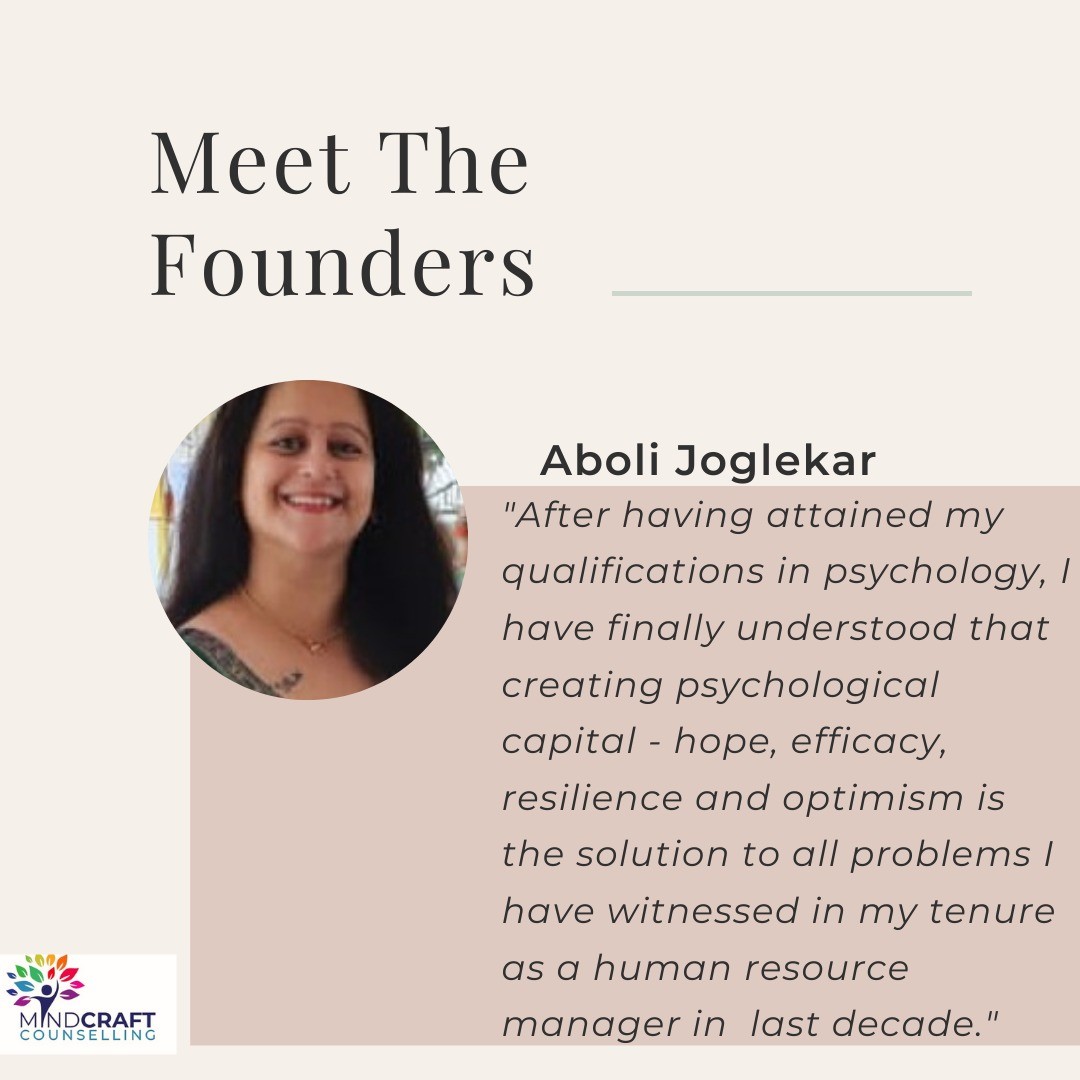
Aboli Joglekar spent more than a decade inside corporate human resources, close enough to people's working lives to see something most policies miss: when mental health falters, everything else does too. Productivity, relationships, the small daily decisions — all of it bends under the weight of an unsupported mind. That observation became a turning point.
From watching to helping
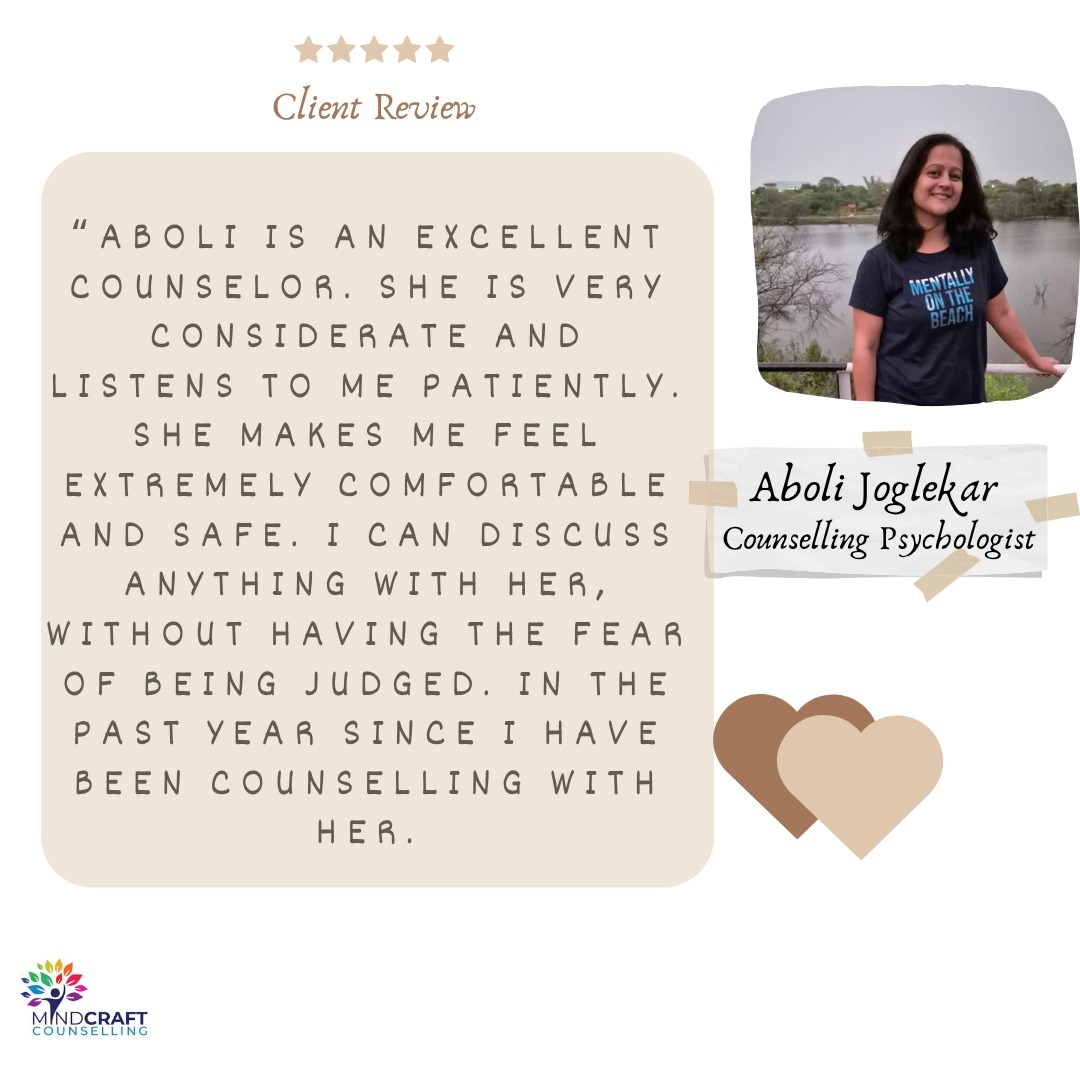
Rather than treat that insight as background noise, Aboli retrained. She earned her qualifications in psychology and now describes the work in terms of psychological capital — a phrase worth unpacking because it sits at the heart of how MindCraft thinks.
Psychological capital is made of four parts: hope (a sense that things can get better and that you can find a route there), efficacy (believing you're able to act on your own behalf), resilience (the capacity to recover after a setback), and optimism (an honest expectation that good outcomes are possible). None of these are fixed traits you either have or don't. They are built, slowly, through practice and the right support. "I finally understand how creating psychological capital is the answer to several problems we have," Aboli says. "With MindCraft, I aim to equip everyone with the same."
A path that started early
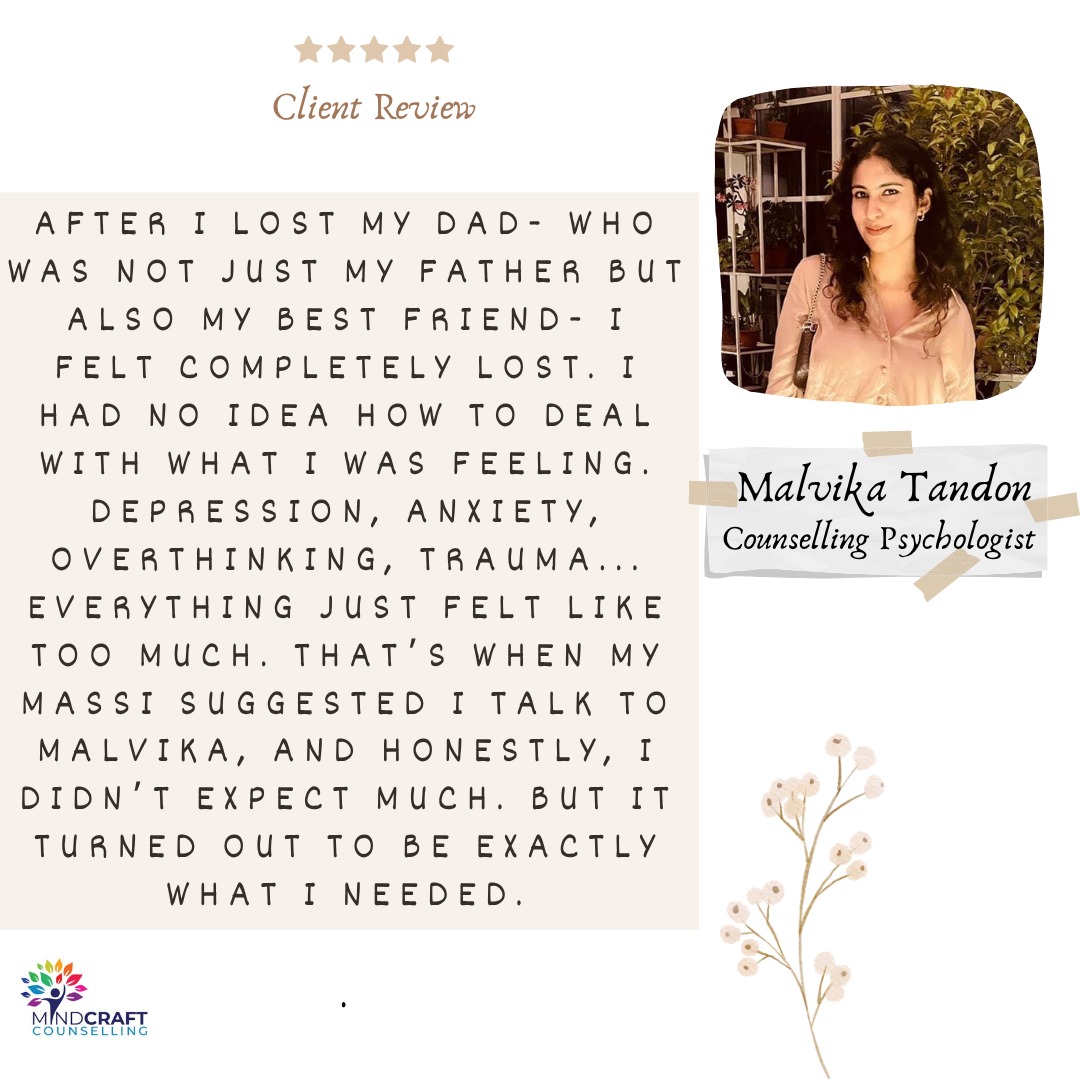
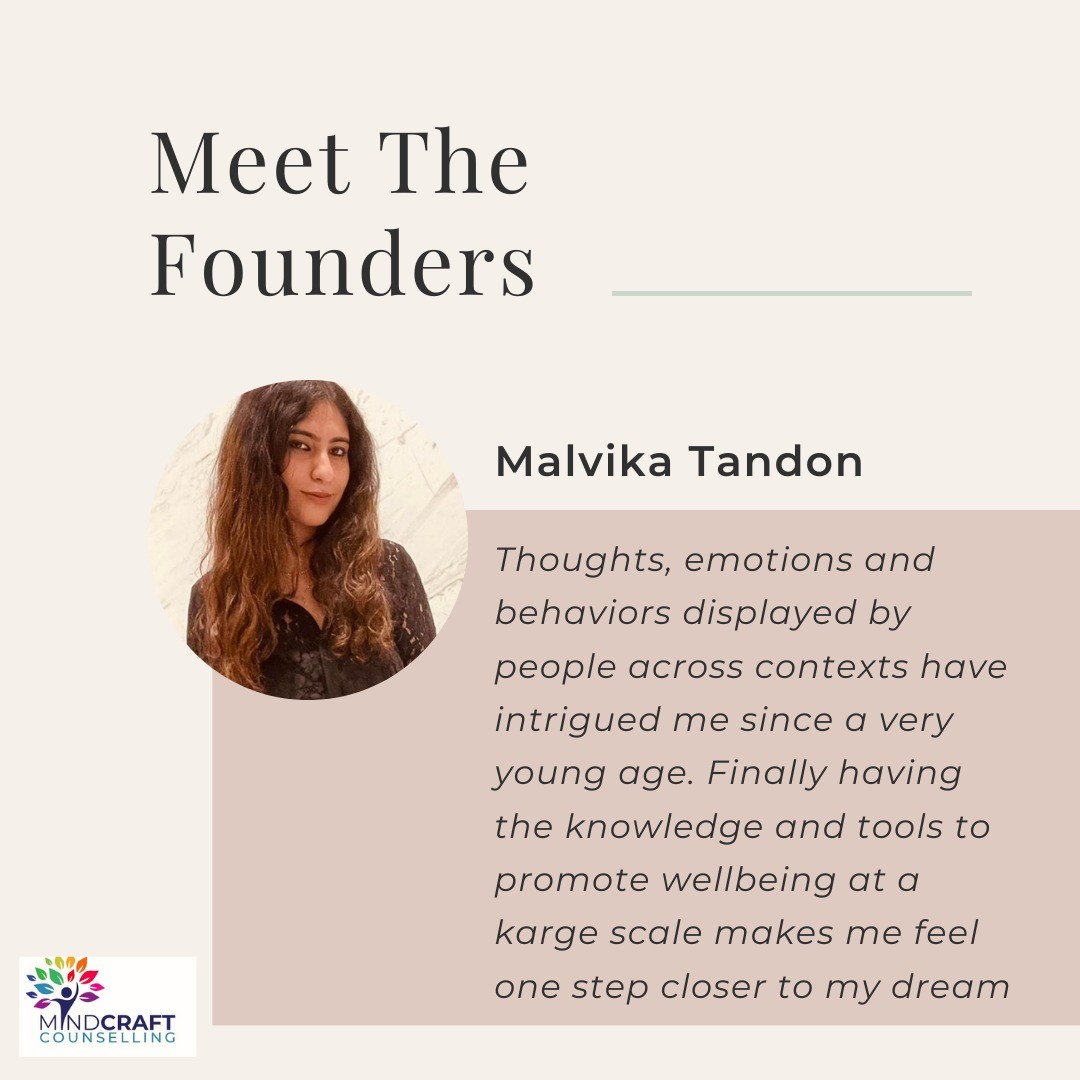
Malvika Tandon's route was quieter but just as clear. She knew from school that she wanted to be a psychologist — not from ambition so much as attention. She noticed how people thought, felt and behaved in different settings, and that curiosity never left her. After completing her MSc in Clinical Psychology, she began putting theory and tools to use, drawn to the simple, steady reward of helping someone understand their own mind and shift it for the better.
What she hopes people take away is something gentle and important: you are not alone in what you're carrying. Struggle isn't proof that something is wrong with you. It's part of being human, and it responds to care.
What MindCraft is for
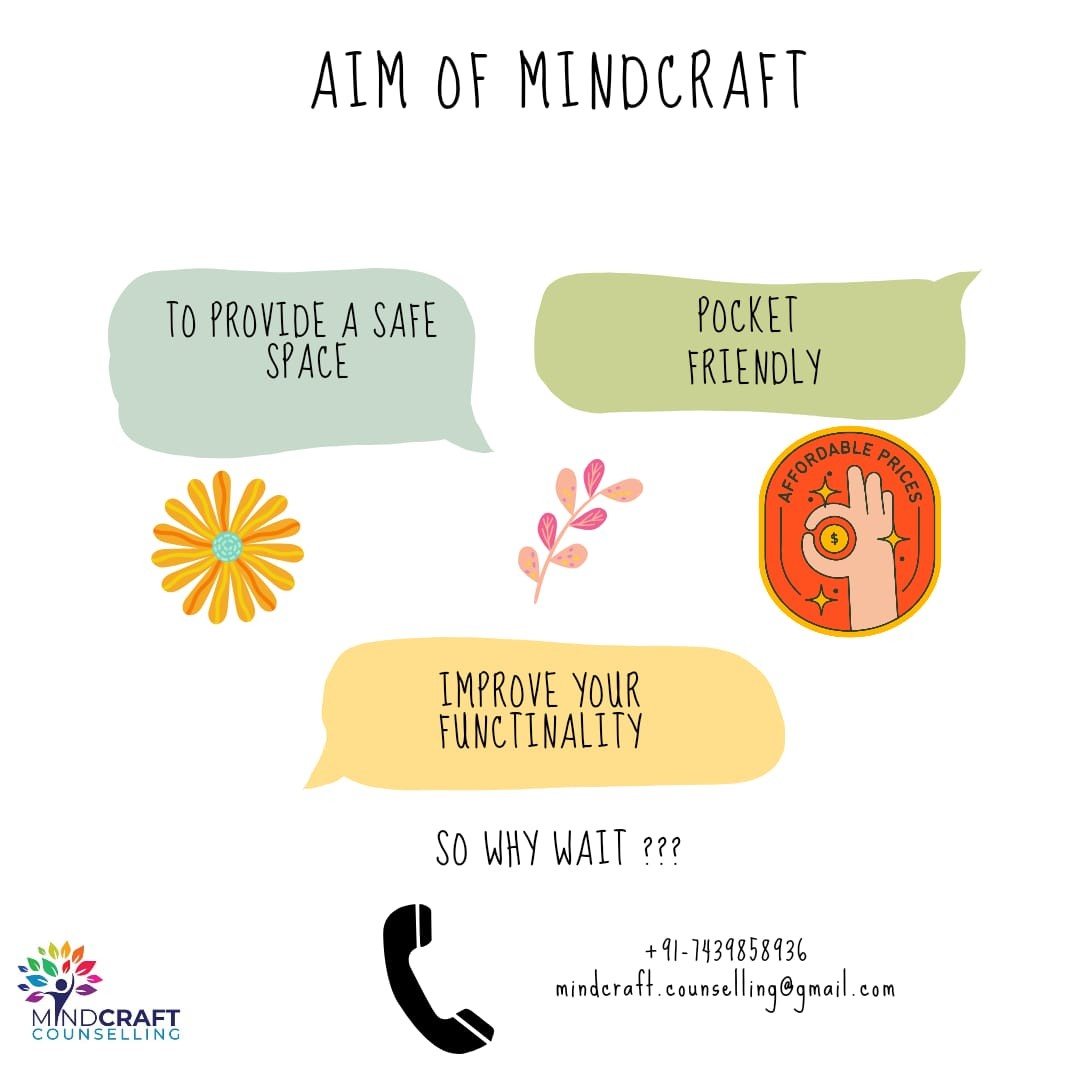
The two founders built the practice around a small set of commitments rather than grand promises:
- To hold a safe space that supports emotional, psychological, social and physical wellbeing
- To keep professional help genuinely affordable, including support for students and those in difficult circumstances
- To help people find hope and build coping skills that make daily life more workable
The approach is client-centred, which simply means the work starts with you — where you are, what you need — rather than a script. People come with a wide range of concerns: managing emotions that feel too big, handling conflict, learning self-compassion, or wanting to grow into a steadier version of themselves. All of it is welcome.
Where this leaves you
If anything here sounds familiar, take it as a sign that reaching out is reasonable, not dramatic. Asking for support is one of the more efficient things you can do for yourself — and the people behind MindCraft built this place precisely so that asking feels possible. You don't have to take the step alone.