Some people walk into therapy already half-decided, and others spend months circling the door. The difference rarely comes down to how serious the problem is. It comes down to readiness — a set of internal shifts that turn "maybe one day" into "I think it's time." If you've ever wondered why one friend books a session easily while another keeps putting it off, the answer often lives in these quiet changes.
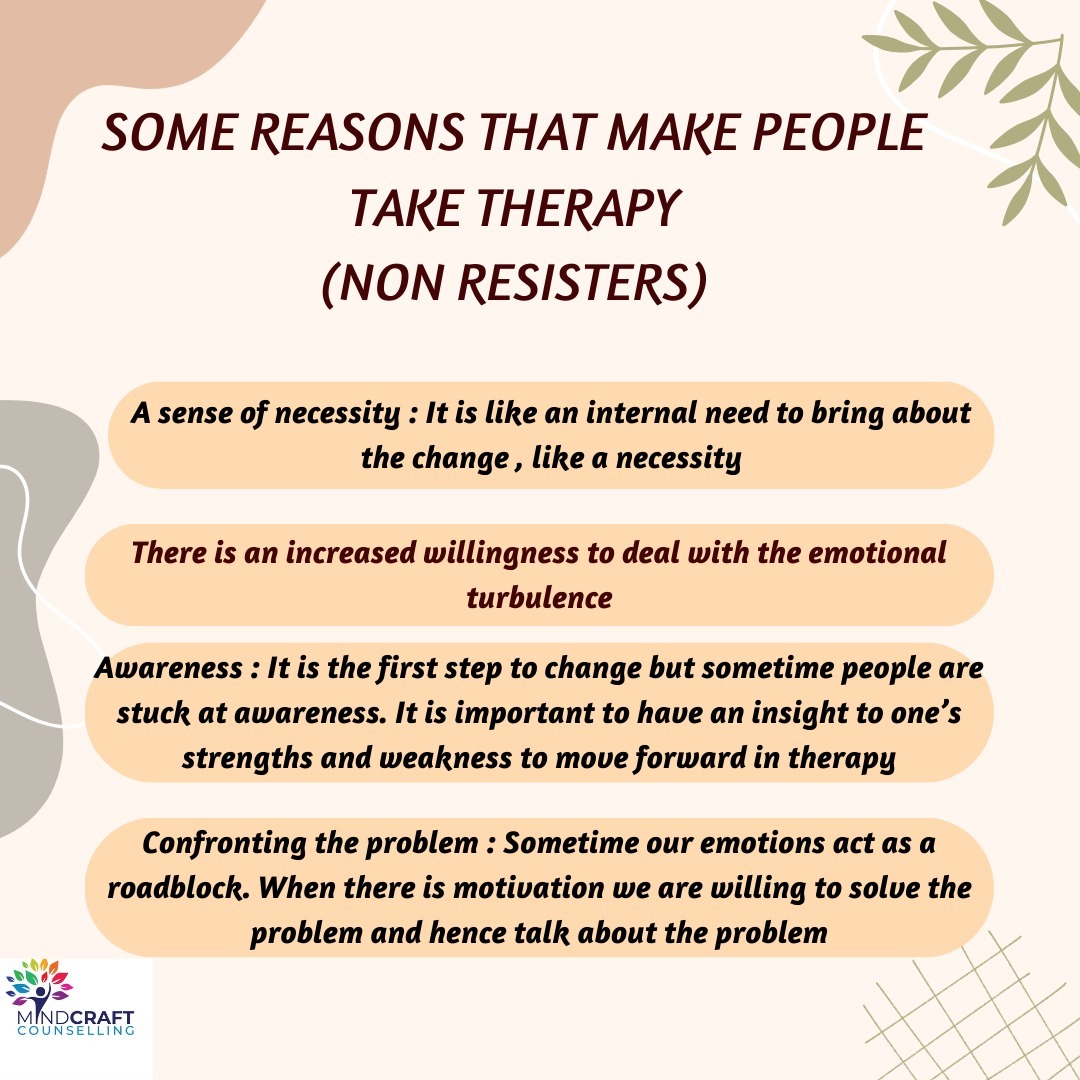
A sense of necessity
The first shift is an internal pull, not an external push. It feels less like advice you've been given and more like a need rising from inside you. Something has to change, and you can no longer pretend otherwise. This sense of necessity is powerful because it comes from your own recognition rather than someone else's nagging. People who feel it tend to show up for therapy differently — they're there because they want to be, not because they were sent.
Willingness to sit with the turbulence
Therapy isn't always calming in the early stages. It can stir up feelings you've been keeping at arm's length. The people who do well are usually the ones who've grown willing to deal with that emotional turbulence rather than flee from it. They don't expect the work to be comfortable. They expect it to be honest, and they've decided they can tolerate the messiness that comes with looking inward.
Awareness — and what lies beyond it
Awareness is the first real step. You notice a pattern, name a feeling, admit that something's off. But awareness on its own can become a resting place. Plenty of people know exactly what's wrong and stay stuck there for years, narrating the problem without moving through it.
What helps is insight — a clearer sense of both your strengths and your weak spots. Knowing what you struggle with matters, but so does knowing what you can draw on. That fuller picture is what lets awareness turn into movement instead of becoming a loop you keep replaying.
Confronting the problem
Sometimes our emotions act as a roadblock. Fear, shame or sheer exhaustion can keep us talking around the issue rather than at it. What changes things is motivation. When you genuinely want to solve a problem, you become willing to face it directly — to say the difficult thing out loud, to look at the part you'd rather avoid. That willingness to confront, gently and honestly, is often the moment therapy starts to work.
If you're not there yet
None of this is a test you pass or fail. Readiness builds slowly, and it's perfectly normal to feel pulled in two directions — part of you wanting help, part of you wary of it. Ambivalence isn't a sign you shouldn't go. It's usually a sign you're human.
If you recognise these shifts in yourself, treat them as a signal worth acting on. And if you recognise them in someone you love, you don't need to push. Encourage, stay close, and let them know help exists when they're ready. Sometimes the most useful thing you can offer is the quiet reminder that the door is open whenever they choose to walk through it.