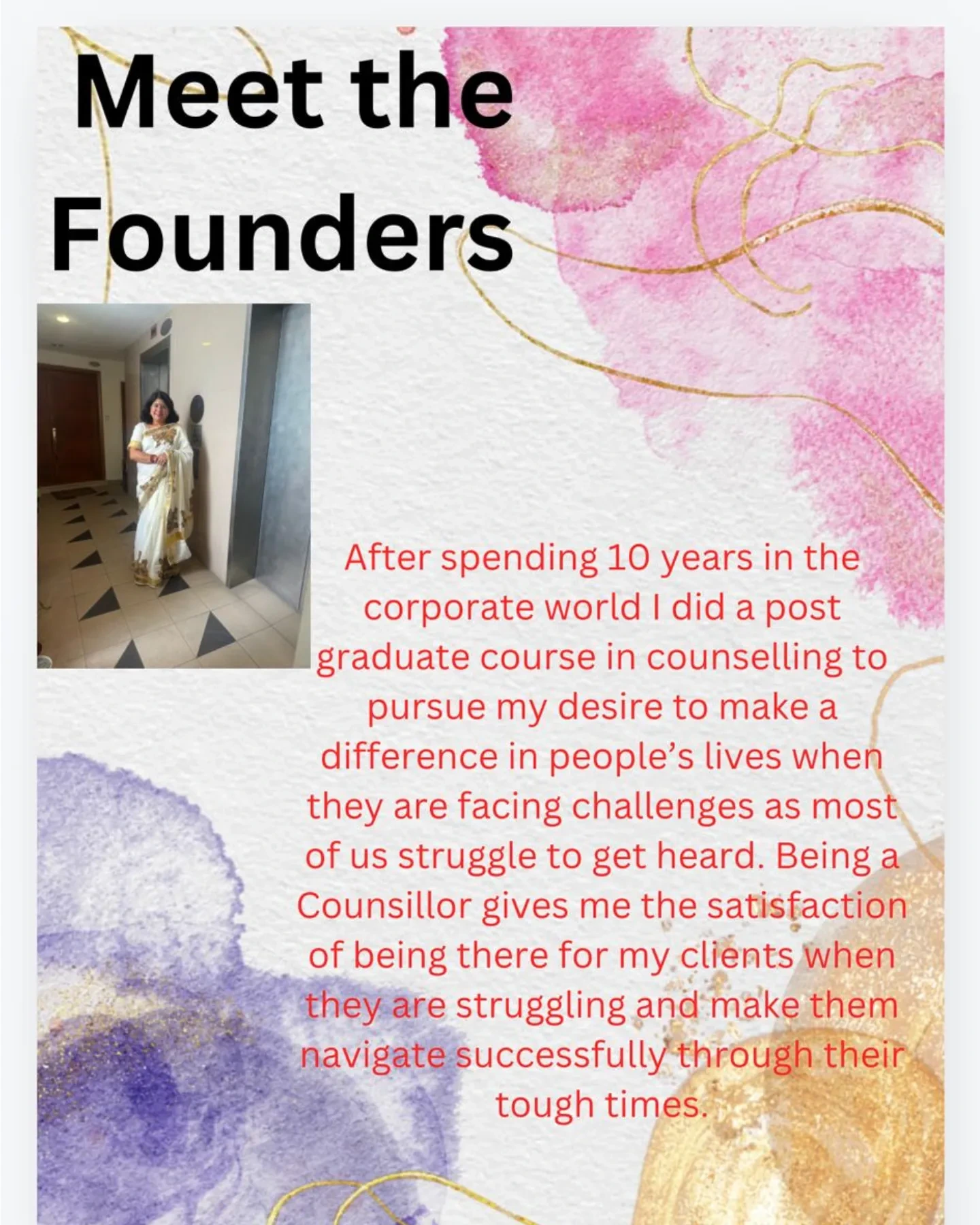
Ten years in the corporate world, then a postgraduate course in counselling. That's the route one of our team took, and the reason she gives is disarmingly plain: most of us struggle to get heard. Not advised, not fixed, not managed — heard. When someone decides to leave a stable career to sit with people through their hardest stretches, it's worth asking what they noticed that made the trade worth it.
The thing most people are missing
If you listen to what people actually say they want when life turns difficult, it's rarely a clever solution. It's the sense that someone is fully present with them — that their experience landed in another person and was held without rush or judgement. We get plenty of opinions in a day. We get far less genuine attention.
This is why counselling works even when the counsellor offers no instant answer. Being received by another person changes how a problem feels. The weight doesn't double when you share it; it often halves. People who train for this work usually describe the same draw — the quiet satisfaction of being there for someone when they're struggling, and staying until things start to ease.
A career change isn't a small thing
Walking away from a decade of corporate work to retrain says something about how strongly that pull can run. It's also a useful reminder for anyone feeling restless in their own life: the work that fits you is often the work that lets you do what you'd do anyway, even unpaid. For some people that's listening. For others it's building, teaching, or making things. The signal is the same — a kind of energy that doesn't drain you the way obligation does.
What good listening actually involves
It's easy to assume listening is passive. It isn't. Done well, it asks something of the listener, and you can borrow some of it in your own relationships:
- Let silences sit. The urge to fill a pause usually serves your discomfort, not the other person's need.
- Resist fixing. Ask whether they want help solving something or just want to be heard. Most of the time it's the second.
- Reflect back. Saying "that sounds exhausting" tells someone you've understood, which is often all they were after.
- Stay with the feeling. Don't hurry past the hard part to reach the reassuring bit.
Why we care who joins the work
Building a counselling practice means choosing people who carry this instinct genuinely, not as a technique. A team grows well when each person brings the same commitment — to be present, to be steady, and to make it possible for clients to come through their tough times feeling accompanied rather than alone.
If you've ever felt that nobody was really listening, you weren't being dramatic. That need is real, and meeting it is most of what this work is for.