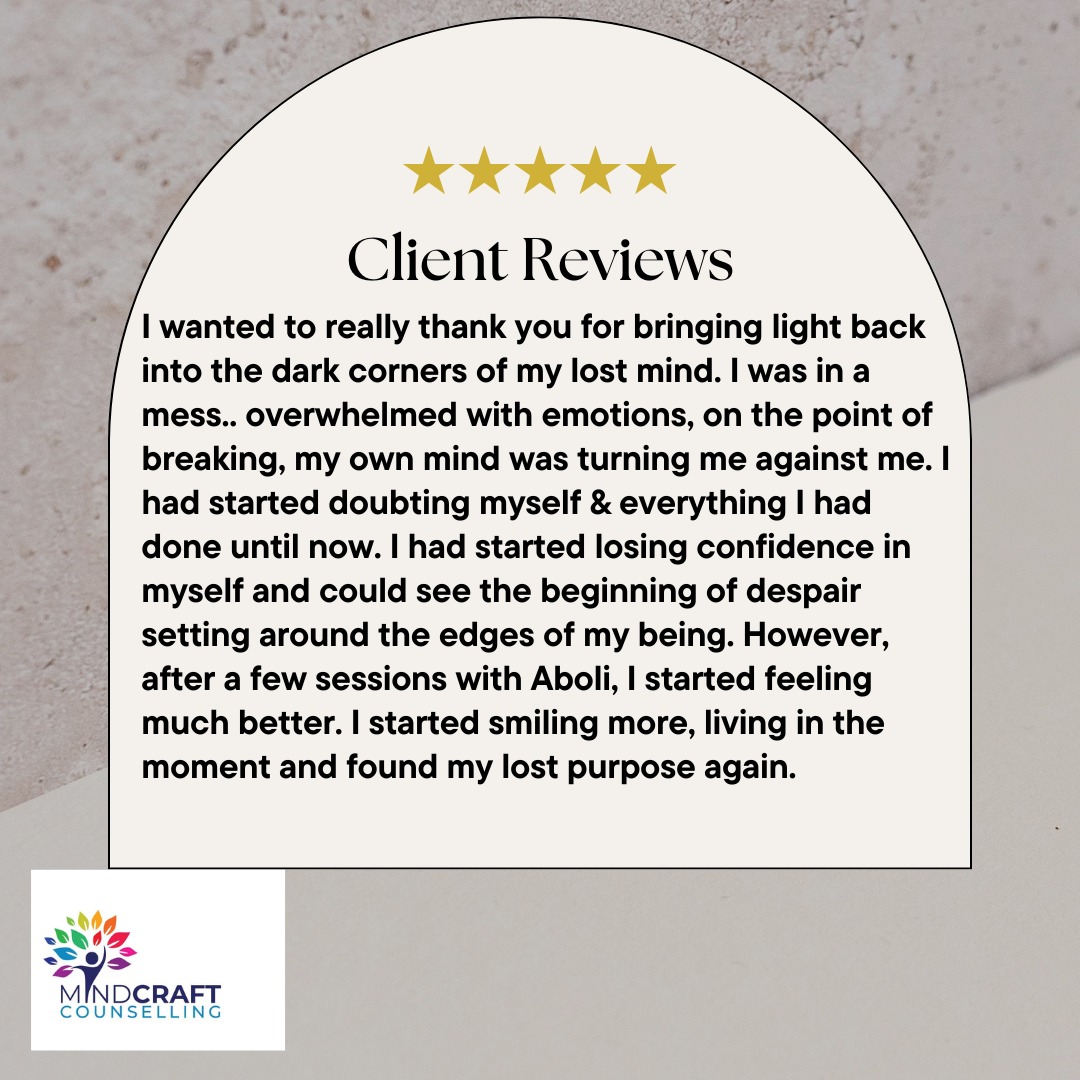

One of our clients recently described therapy in a way that stayed with us. They came in sceptical, doubted things would change session after session, and then, almost by surprise, noticed that their thoughts felt better, more settled, and they felt good — maybe the best they had in a while. That arc, from doubt to quiet relief, is more common than people imagine.
Scepticism is a reasonable starting point
Plenty of people arrive at therapy half-convinced it won't help them. Sometimes that doubt comes from not knowing what therapy is; sometimes it comes from being let down before. We don't see scepticism as a problem to overcome. It's an honest stance, and frankly, a sign that someone is paying attention rather than expecting magic.
You don't have to believe therapy will work for it to start working. You only have to keep showing up. The relationship between counsellor and client does some of the heavy lifting on its own, long before anyone feels ready to call it progress.
Why change often feels invisible while it's happening
The client in this story said something telling: the changes came in a very simple manner, even before they could realise it. That's how it tends to go. We expect breakthroughs to feel dramatic — a single session that rearranges everything. In practice, change is usually slow and undramatic. Your reactions soften. A thought that used to spiral somewhere dark loses its grip. You handle a difficult conversation differently and only notice afterwards that you didn't fall apart.
Because these shifts are small and woven into ordinary days, you rarely catch them in the moment. It's only later, looking back, that the difference becomes obvious — like the client who realised, with surprise, that their thoughts were better placed than before.
What the "axle on the wheel" idea points to
The client's image of fixing the axle on their wheel of life is a good one. A wheel can look fine and still wobble if the centre is off. Therapy often works at that centre — not by changing every spoke, but by steadying the thing everything else turns on. Once the core feels more solid, the rest of life moves more smoothly without each part needing to be fixed separately.
If you're on the fence about starting
A few honest things worth holding onto:
- You can begin therapy without believing in it yet. Doubt is allowed in the room.
- Progress is usually quiet. Don't measure it session by session; notice it over weeks and months.
- The work doesn't have to be heavy or overwhelming. Sometimes the most useful changes are the simplest ones.
- Feeling better is not a betrayal of how hard things were. It's the point.
We started MindCraft to help people through emotional distress, and what moves us most isn't dramatic transformation — it's hearing someone say they feel good, maybe even the best they've felt, after months of quietly wondering whether anything would shift at all. If you're carrying that same doubt right now, it doesn't have to be resolved before you begin. It can simply come along with you.