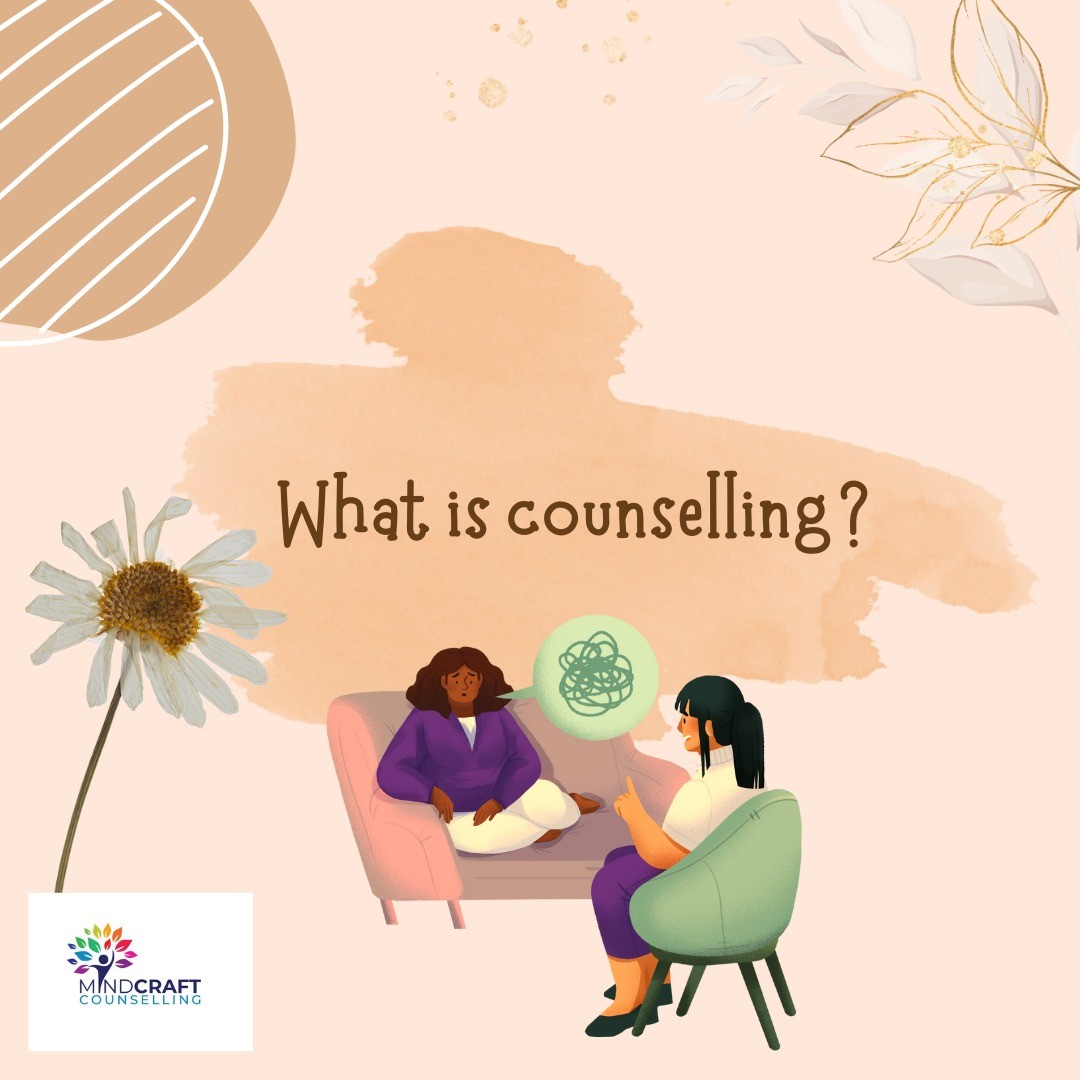
A lot of people turn down counselling before they understand what it is. The picture in their head goes something like this: a quiet room, a professional firing off questions, and you supplying the answers. If that were true, it would feel less like support and more like an interview. The reality is closer to a conversation that two people build together.
It's a two-way process, not a Q&A
The balance shifts from session to session — some days you talk more, some days the counsellor does — but it's never just hearing you out. Good counselling involves probing gently, listening with full attention, reflecting back what you've shared so you can see it more clearly, and sometimes carefully challenging a belief or pattern that's keeping you stuck. None of this is done bluntly. It's offered with care, at a pace that respects where you are.
Why a "therapist friend" isn't the same
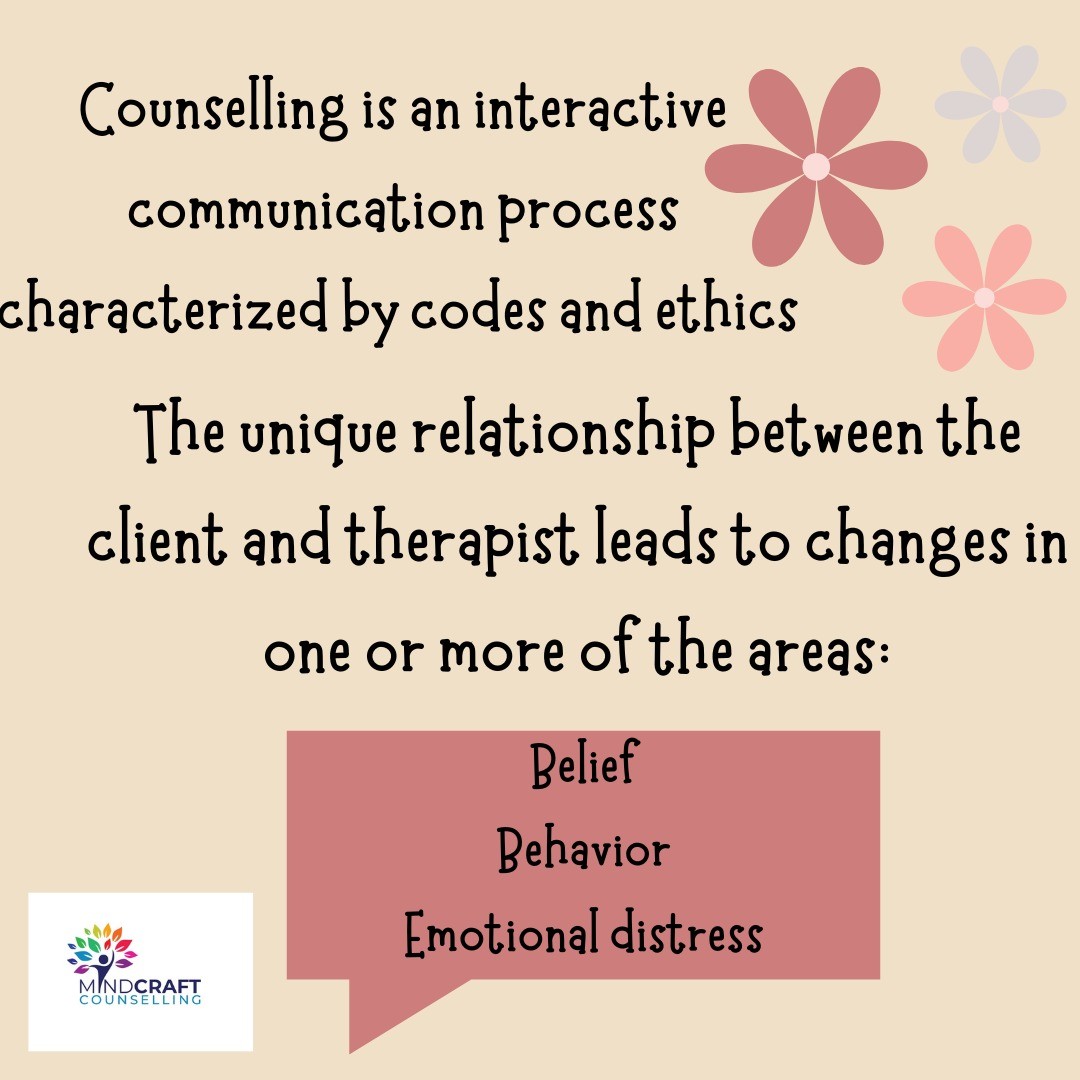
We tend to assume anyone who gives decent advice is doing the same work as a counsellor. A caring friend matters enormously, and you should keep them. But trained counsellors work within a framework most people never see: principles of confidentiality, ethical boundaries, and a professional code of conduct that shapes how they respond. That structure is part of what makes the space safe. It's the difference between someone reacting to your story and someone trained to help you understand it.
More than a space to vent
Venting feels good, and it has its place. Counselling goes further. At its heart is a working relationship — what counsellors call an alliance — built on trust and mutual respect, aimed at goals you and your counsellor decide on together. Those goals might be:
- shifting a perspective that no longer serves you
- changing a behaviour you'd like to do differently
- easing painful emotions while making room for steadier, kinder ones
The change comes from two things working side by side: the quality of that relationship, and the evidence-informed tools your counsellor brings to it. One without the other rarely gets you far.
Choosing without knowing
One of the most common missteps is deciding professional help isn't for you without ever understanding what the work involves. That's a decision made on a guess. You wouldn't dismiss a kind of medicine you'd never read about; the same fairness applies here.
You don't have to arrive certain, or even fully convinced. You only have to be curious enough to find out what it's actually like. A first conversation costs you very little and tells you a great deal — about the approach, the person, and whether it feels like a fit. That single step is often the hardest part, and the one most worth taking.