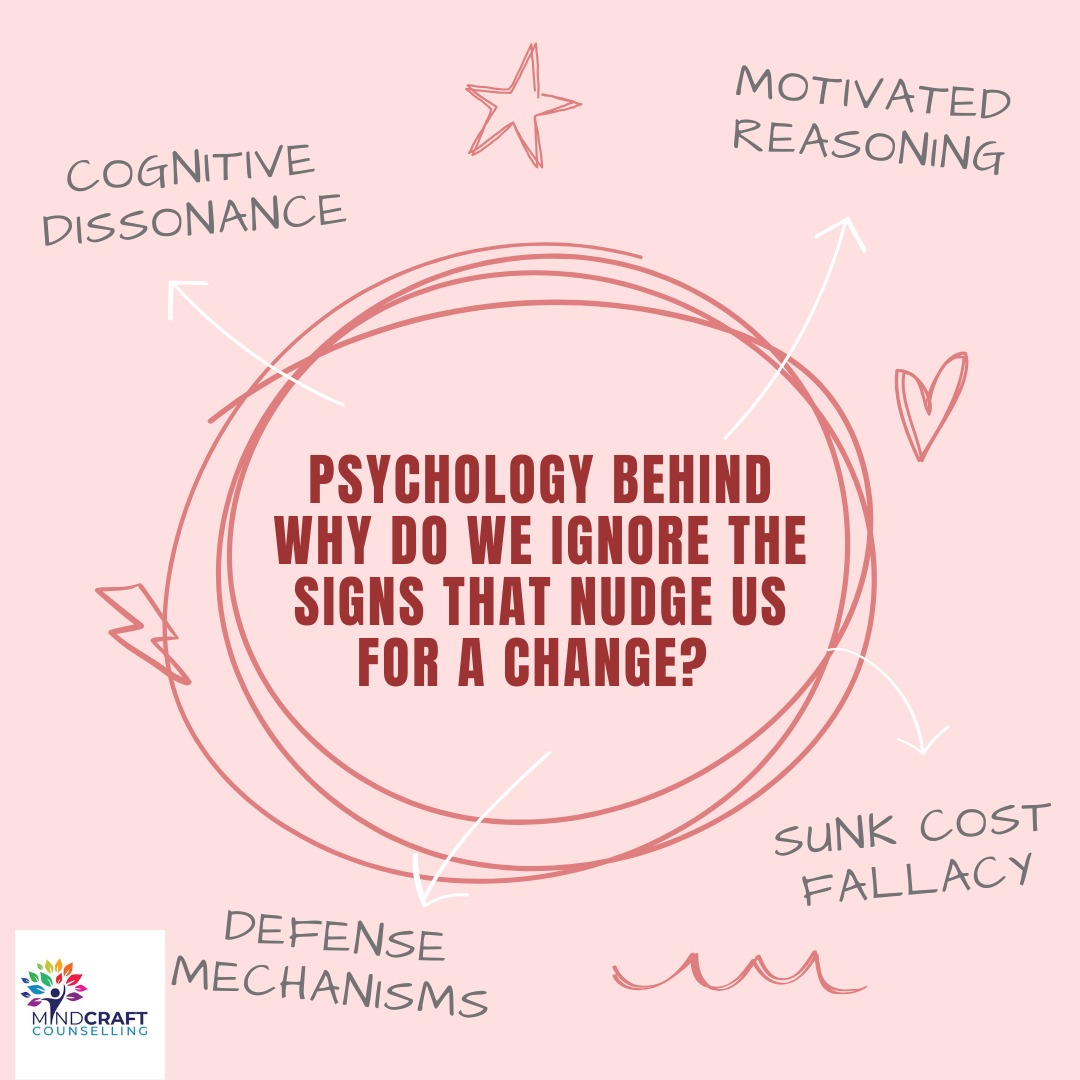
You can know something isn't right for you and stay anyway. The job that drains you by Tuesday, the relationship that leaves you smaller, the routine that quietly costs you — the signs are there, sometimes loudly, and still we look past them. This isn't stupidity or weakness. It's the mind doing exactly what it's built to do: protect us from discomfort, even at the price of our growth.
Four psychological patterns tend to keep us stuck. Recognising them is the first crack of daylight.
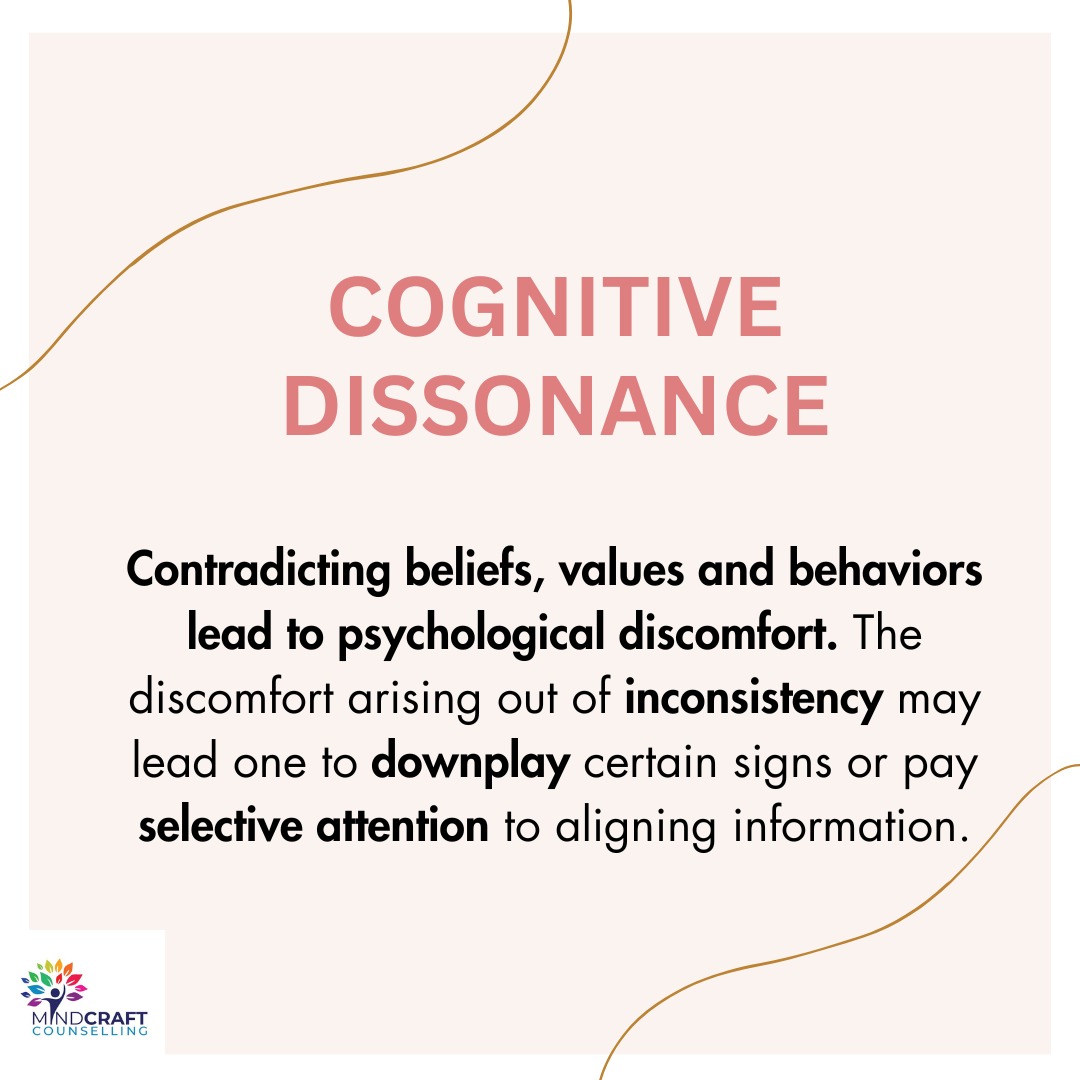
Cognitive dissonance
When our actions and our beliefs disagree, the tension is uncomfortable. Holding "this isn't good for me" alongside "and I'm still here" creates a low hum of unease. Rather than change the behaviour, which is hard, the mind often changes the belief, which is easier. So we tell ourselves it's not that bad, or it'll improve, or everyone has it like this. The discomfort softens, and the situation stays exactly the same.
Motivated reasoning
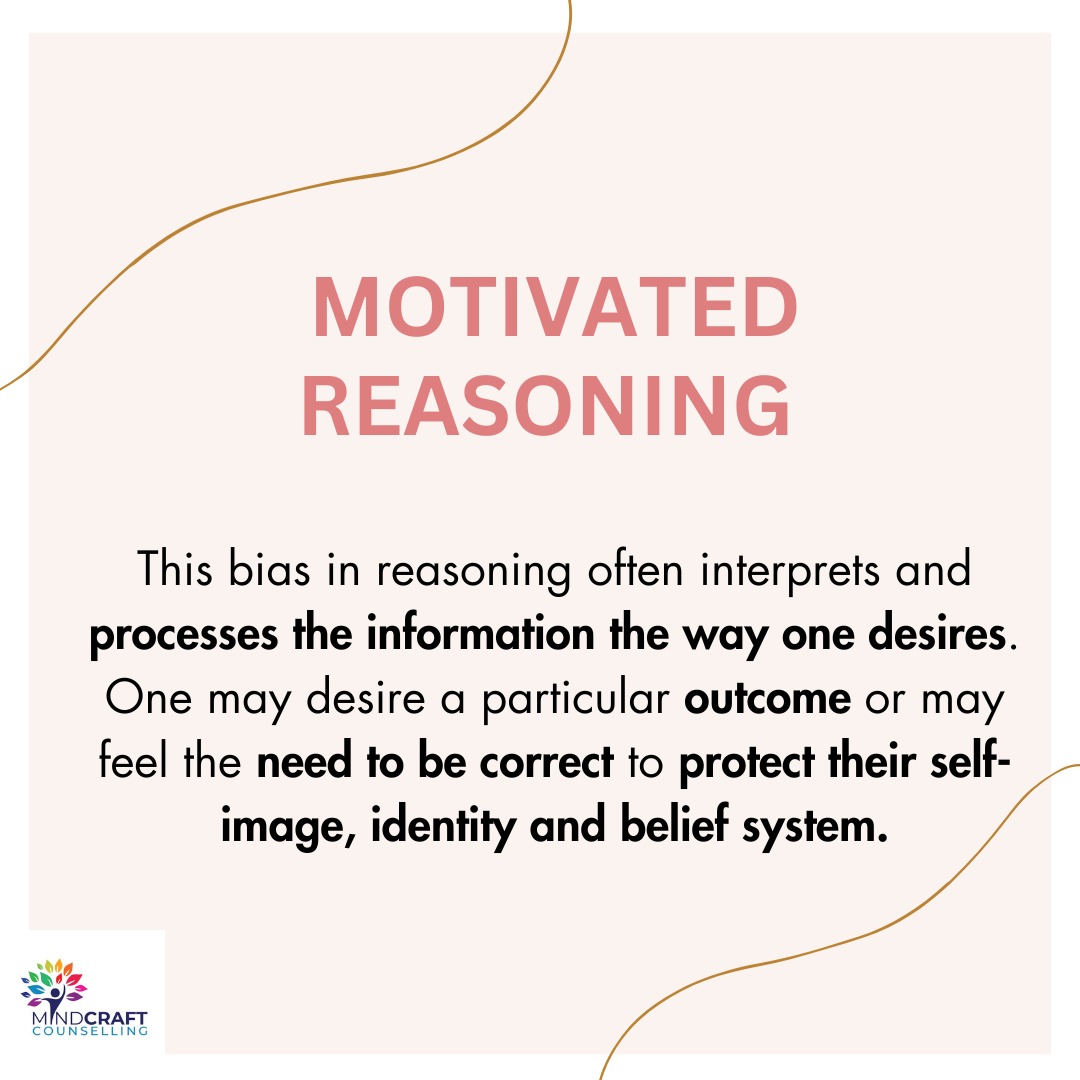
We don't always reason towards the truth. Sometimes we reason towards the conclusion we already want. If part of us wants to stay, we'll find the evidence that justifies staying and quietly discount the rest. The good day gets remembered; the pattern of bad ones gets explained away. It feels like clear thinking, but it's thinking with a destination already chosen.
Defence mechanisms
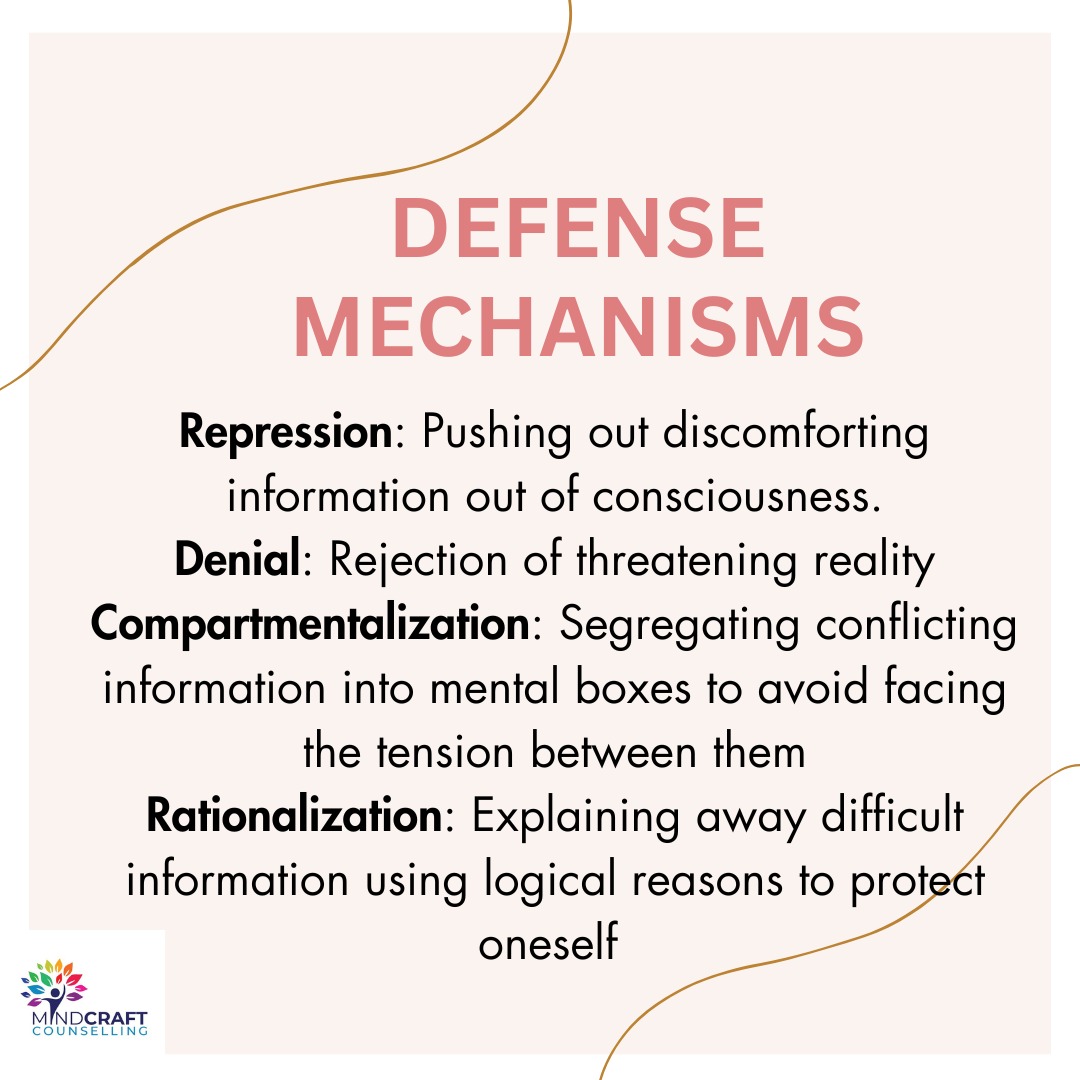
Denial, minimising, rationalising — these are the mind's old protections against feelings that overwhelm. They aren't lies we tell on purpose. They run underneath awareness, smoothing over what would hurt to face. Useful in a genuine crisis, costly when they keep us asleep to a life that's asking us to wake up.
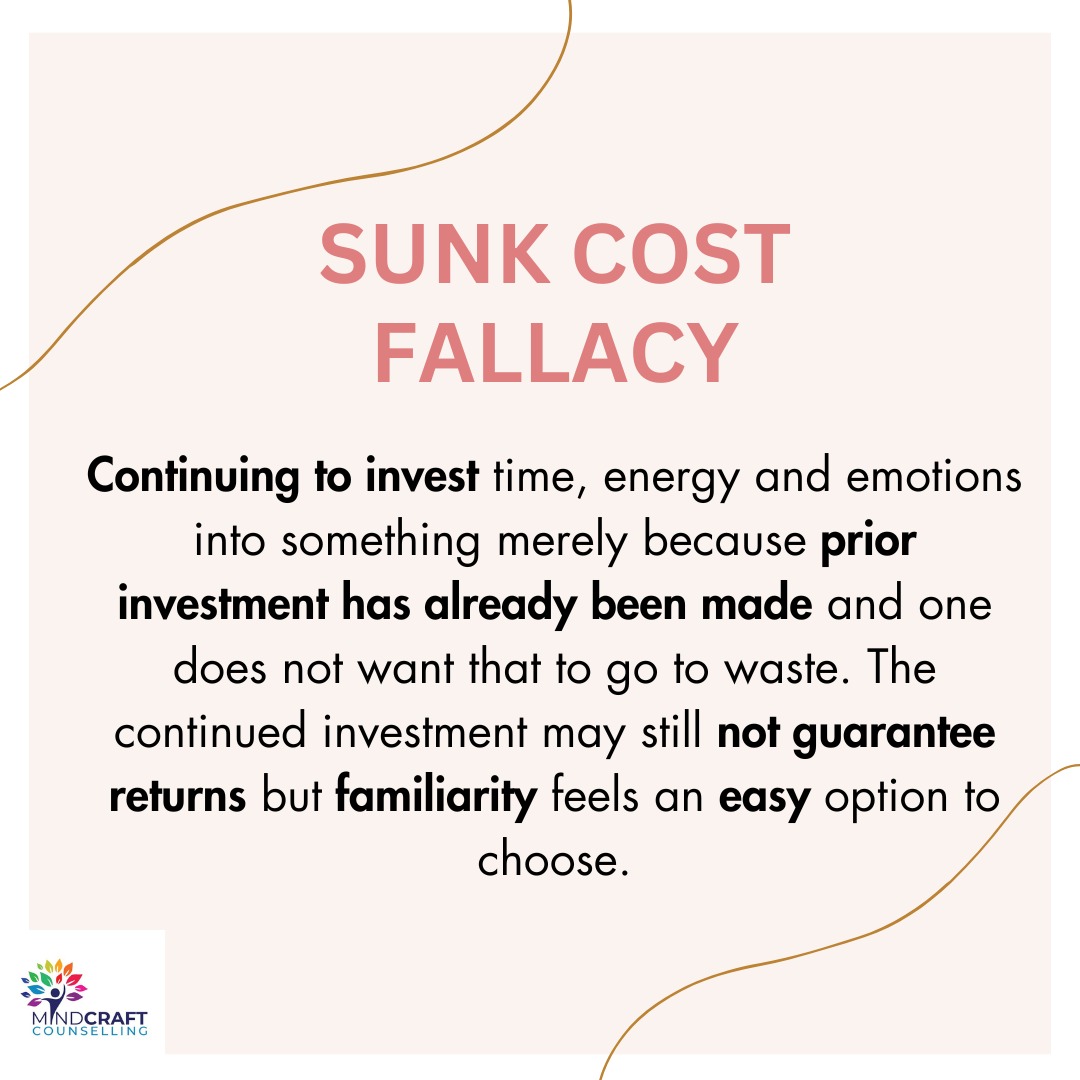
The sunk cost fallacy
The longer we've invested — years, energy, hope — the harder it is to walk away, because leaving can feel like admitting the investment was wasted. But the time already spent is gone whether we stay or go. The real question isn't "how much have I put in?" It's "is this worth what it costs me from here?"
Seeing more clearly
None of this means you should make a dramatic exit tomorrow. It means noticing when these patterns are steering you. A few small ways to begin:
- Notice the stories you repeat to justify staying. Are they true, or just familiar?
- Ask what you'd advise a friend in the exact same situation. We're often kinder and clearer with others.
- Separate the past from the present — judge the situation by what it asks of you now, not by what you've already given.
- Let yourself feel the discomfort instead of rushing to soothe it. Discomfort is often the signal, not the enemy.
Staying stuck isn't a character flaw. It's a very human response to fear, loss and the pull of the known. But awareness changes things. The moment you can name why you've been looking away, you've already started to look.
If you find yourself circling the same loop and can't quite see your way out of it, talking it through with someone can help untangle what's protection and what's avoidance. You don't have to figure it out alone.