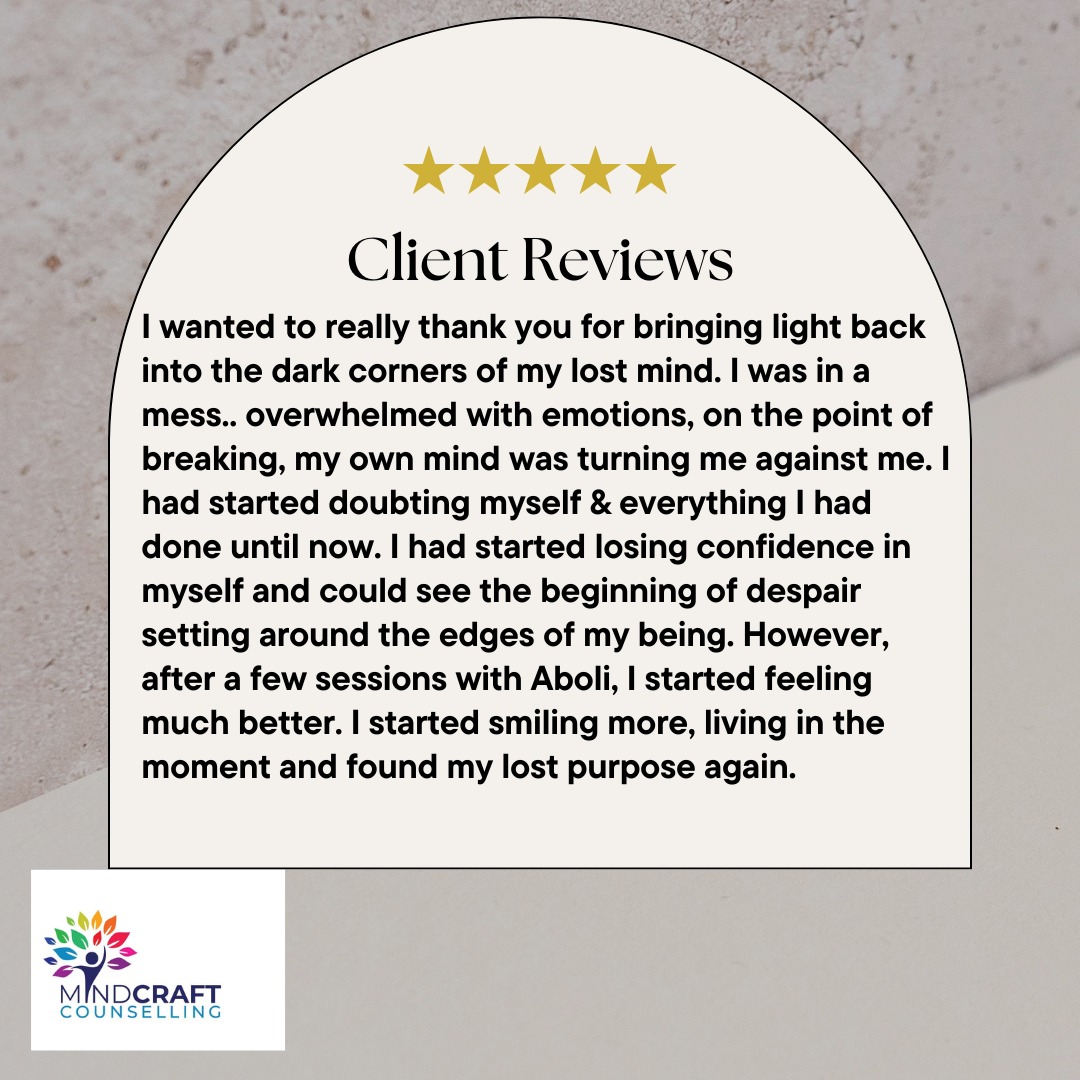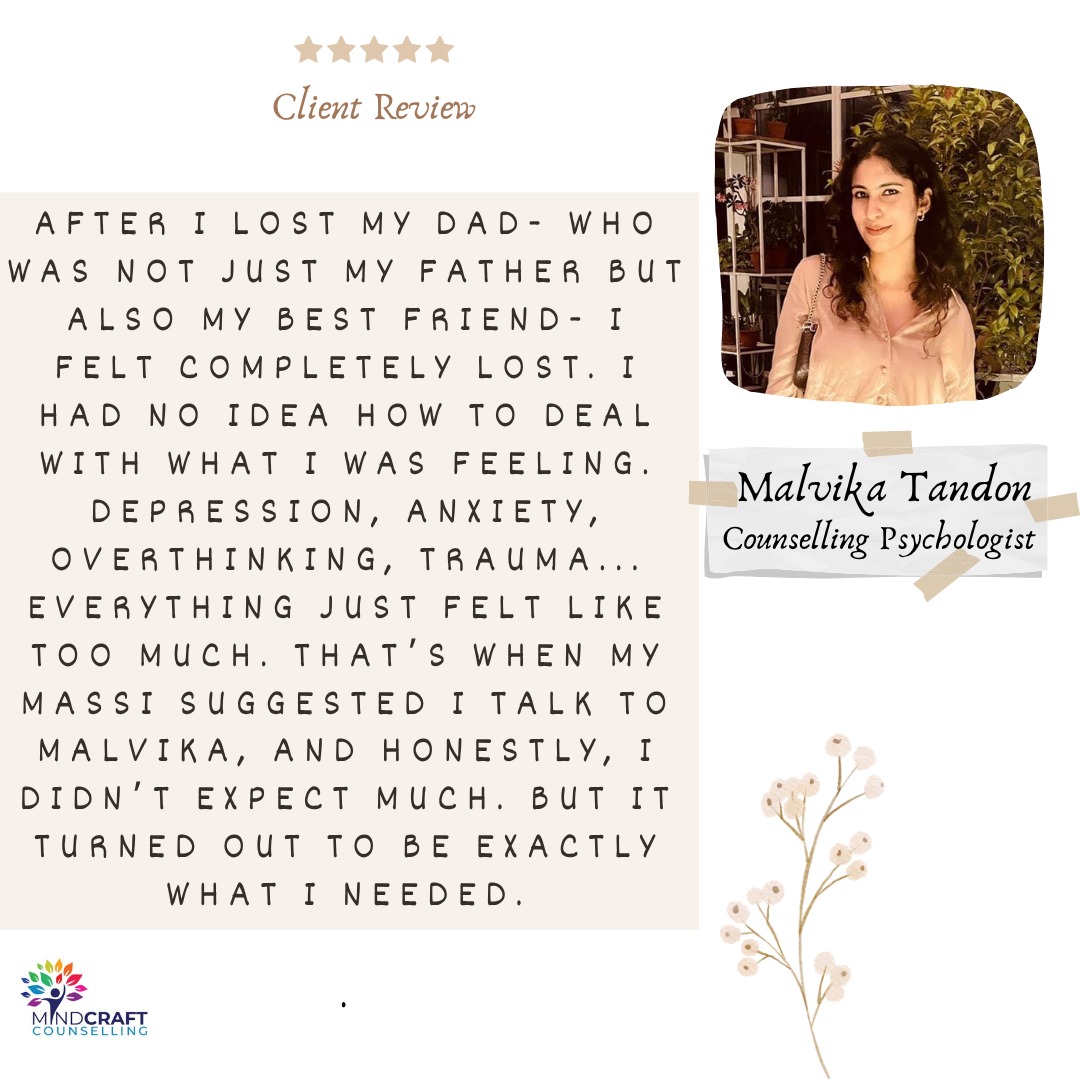

One of our first clients put it plainly: "Until the start of this year I was your typically emotionally strong person. Keeping in your emotions, not paying heed to them." Then a dear friend died, and that quiet armour stopped working. The grief broke through, and suddenly the person who never let things get to them couldn't take it anymore.
It's a story we hear often, in different shapes. Somewhere along the way, a lot of us picked up the idea that strength means not feeling — or at least not showing it. We push emotions down, stay busy, keep functioning. And for a while it looks like it's working. The problem is that suppressed feelings don't disappear. They wait. A loss, a betrayal, a sudden change, and the dam gives way all at once.
Strength was never about silence
What this client discovered, and what therapy often helps people see, is that emotional strength isn't the ability to feel nothing. It's the capacity to feel something difficult and stay standing. To let grief move through you without it flattening you. To name what's happening inside instead of pretending it isn't there.
That's a very different definition from the one many of us were raised with. The old version says: don't cry, don't burden anyone, get on with it. The truer version says: I can sit with this, I can understand it, and I can ask for support when I need to.
Why suppressing emotions backfires
Holding everything in takes energy. It's like keeping a beach ball underwater — possible, but exhausting, and the moment your grip slips it shoots up with force. People who suppress emotions for years often describe feeling numb, then overwhelmed, with very little in between. There's no middle gear, no way to feel a manageable amount of something.
Learning to feel emotions on purpose, in smaller doses, builds tolerance. Over time, sadness becomes something you can hold rather than something that floods you.
Small ways to re-learn strength
- Name the feeling. Putting words to what you're experiencing — "I'm grieving," "I'm scared" — calms the nervous system more than ignoring it does.
- Let it have room. Set aside a few minutes to actually feel something, rather than distracting yourself the moment it appears.
- Notice the old rules. When you hear yourself thinking "I shouldn't be this upset," gently ask where that rule came from and whether it's still serving you.
- Reach out. Sharing a hard feeling with one trusted person is not weakness. It's how humans are built to cope.
What stayed with us in this review was the ending: "Now I can say I am truly emotionally strong." Not because the grief vanished, but because the relationship with it changed. Therapy didn't make this person tougher in the old sense. It gave them tools to feel, understand, and move through their emotions instead of bracing against them.
If you've spent years being the strong one, the calm one, the one who never falls apart — there's nothing wrong with you. But you might be carrying more than you need to. Real strength has room for tears in it.