You can name exactly why you avoid difficult conversations. You know it traces back to a childhood where conflict felt unsafe, where keeping the peace earned you love. You've sat with this understanding for months, maybe years. And yet, the next time someone crosses a line, you still go quiet and stew on it for days. Insight arrived. The change did not.
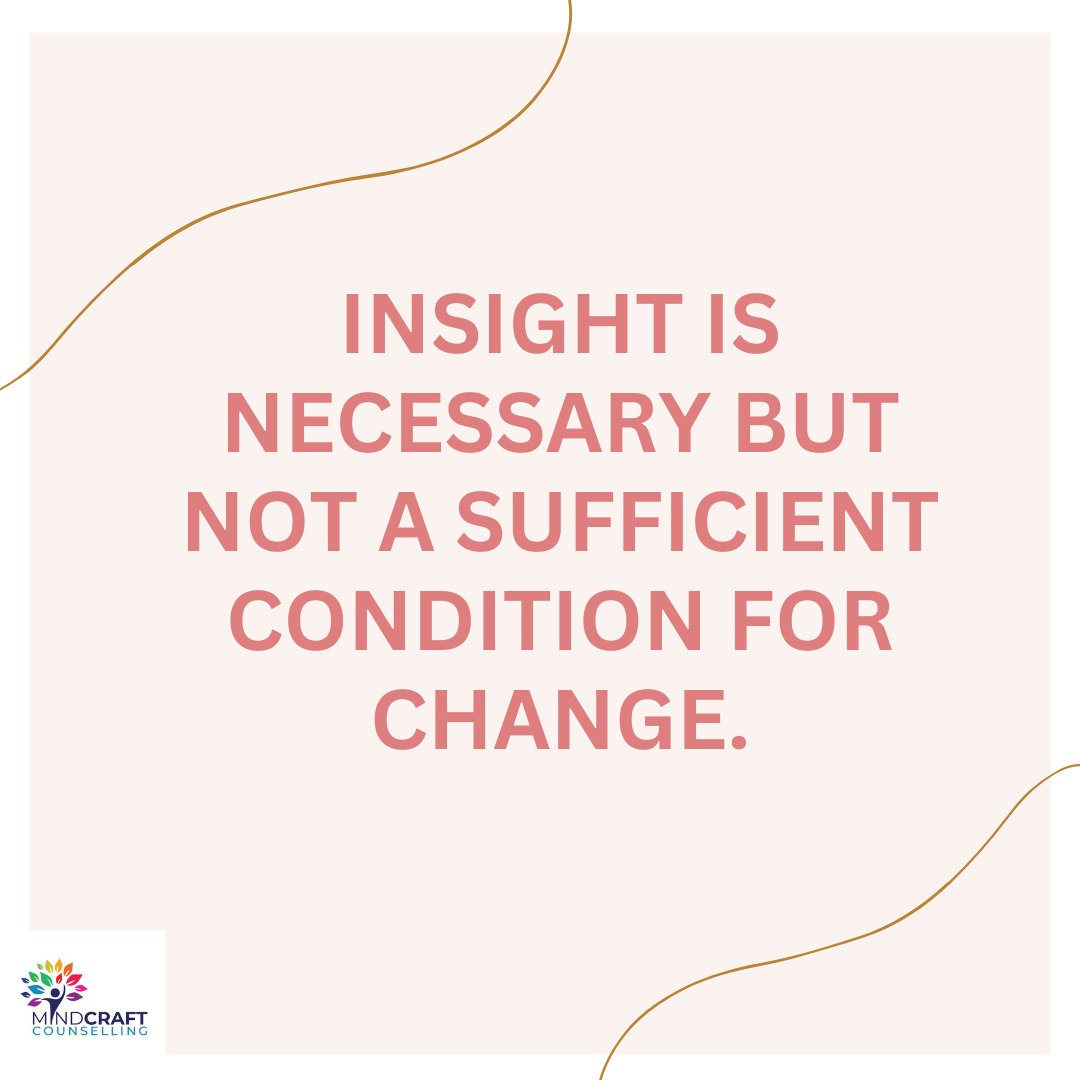
This is one of the most honest truths in therapy, and one of the most frustrating: knowing why you do something is necessary, but it is not enough to make you stop doing it. Understanding the root of a pattern doesn't automatically uproot it. If it did, anyone who'd read enough self-help would already be free.
What insight actually does
Insight matters because it gives you a map. It explains the why, softens the self-blame, and shows you that your reactions made sense once, even if they don't serve you now. Without it, you tend to repeat patterns blindly, confused about why the same situations keep landing in your lap. So this isn't an argument against understanding yourself. It's an argument against stopping there.
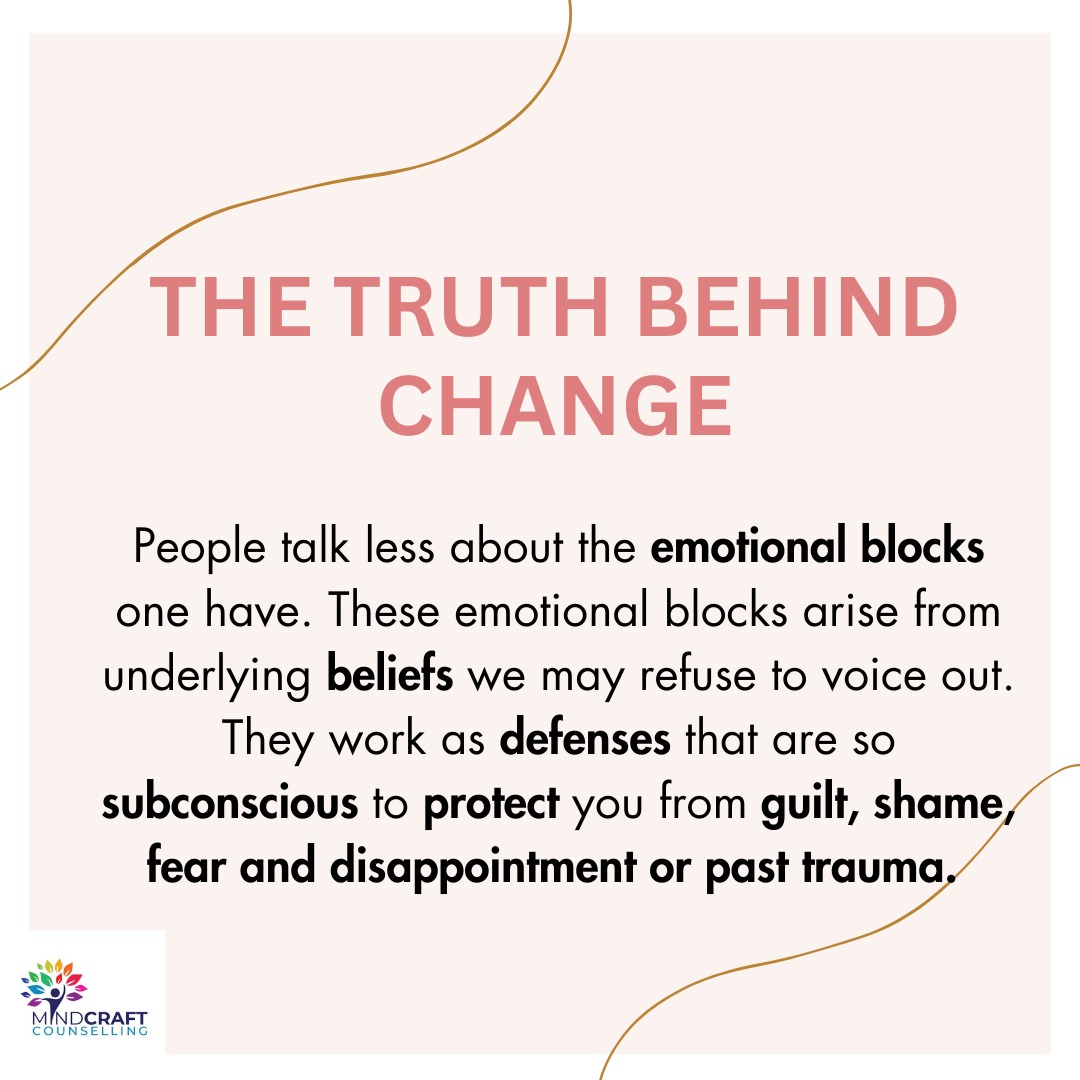
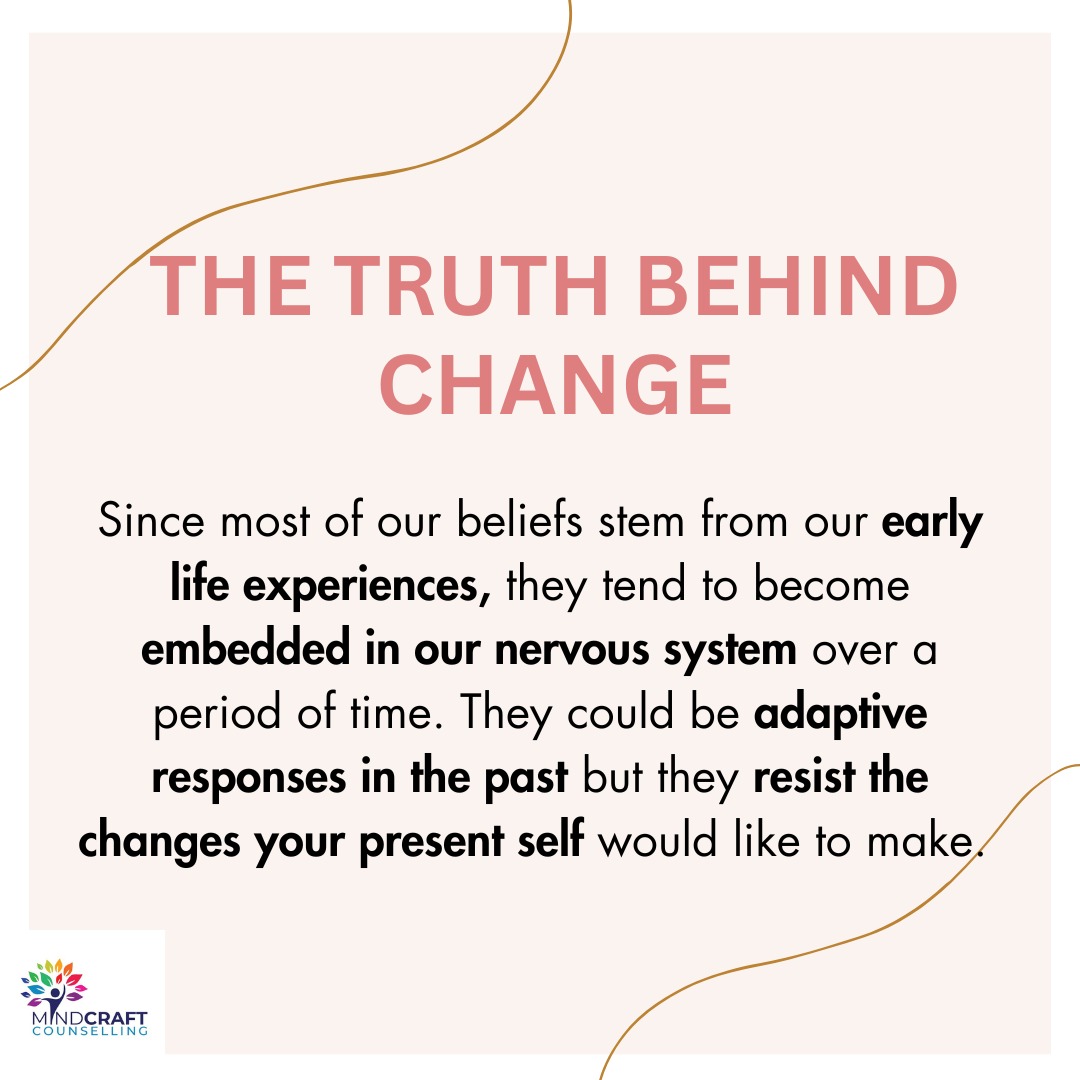
The trouble is that our habits live in the body and the nervous system, not just in our thoughts. The part of you that goes quiet during conflict isn't waiting for a logical explanation. It's reacting from an old felt sense of danger that operates faster than reason. You can understand it perfectly and still feel it take over.
What turns understanding into change
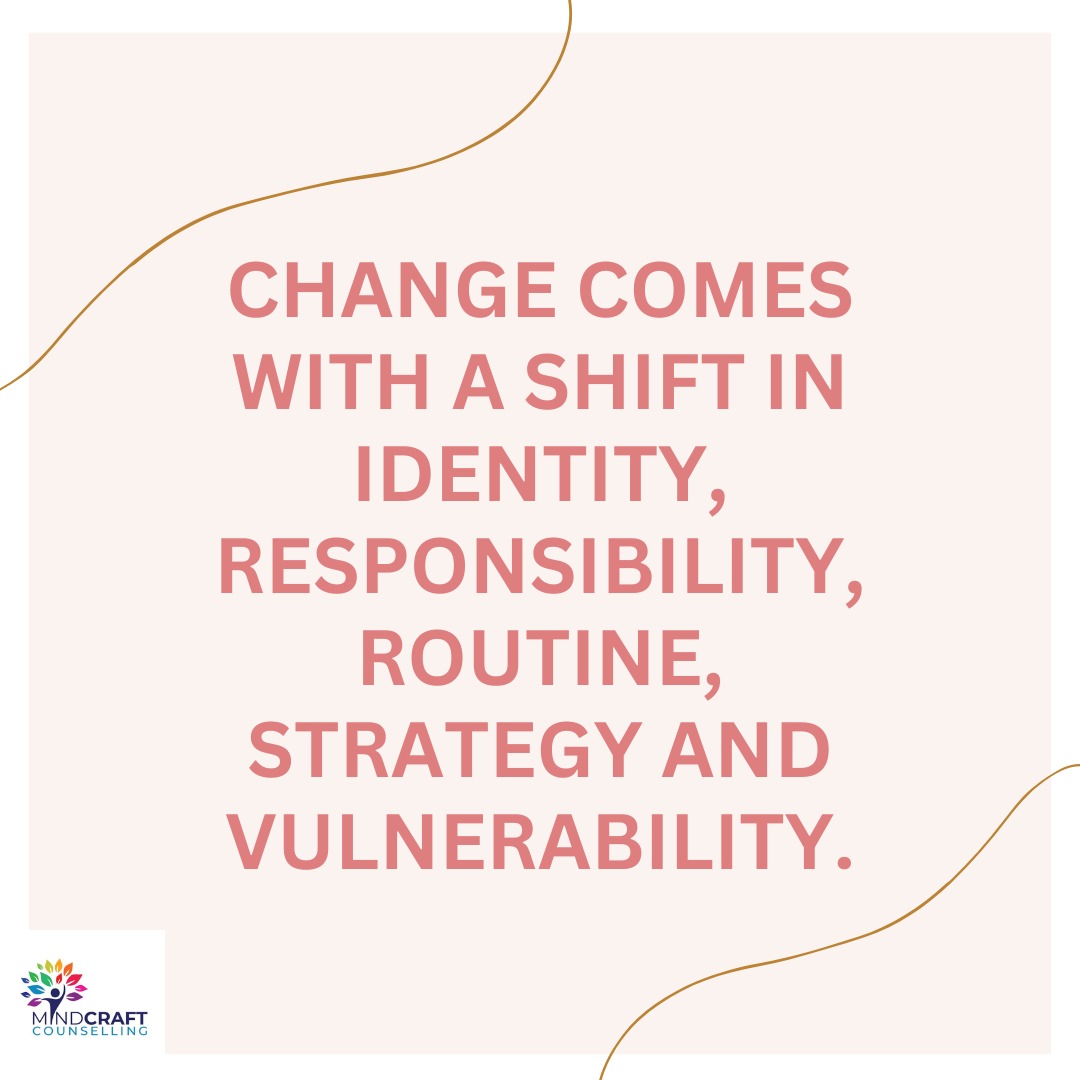
Change tends to come from doing the new thing imperfectly, again and again, until it stops feeling alien. That usually involves a few quieter ingredients:
- Repetition. A new response has to be practised, not just understood. The first uncomfortable conversation is the hardest; the tenth feels possible.
- Tolerating discomfort. Old patterns are familiar, and familiar feels safe. Change asks you to stay with the unease of doing it differently rather than retreating to what you know.
- Self-compassion. You will slip back. If each slip becomes proof that you've failed, you'll abandon the effort. Treating setbacks as part of the process keeps you moving.
- Support. Someone holding the new version of you steady — a therapist, a trusted friend — makes it far easier to keep going when the old pull is strong.
If you feel stuck despite understanding
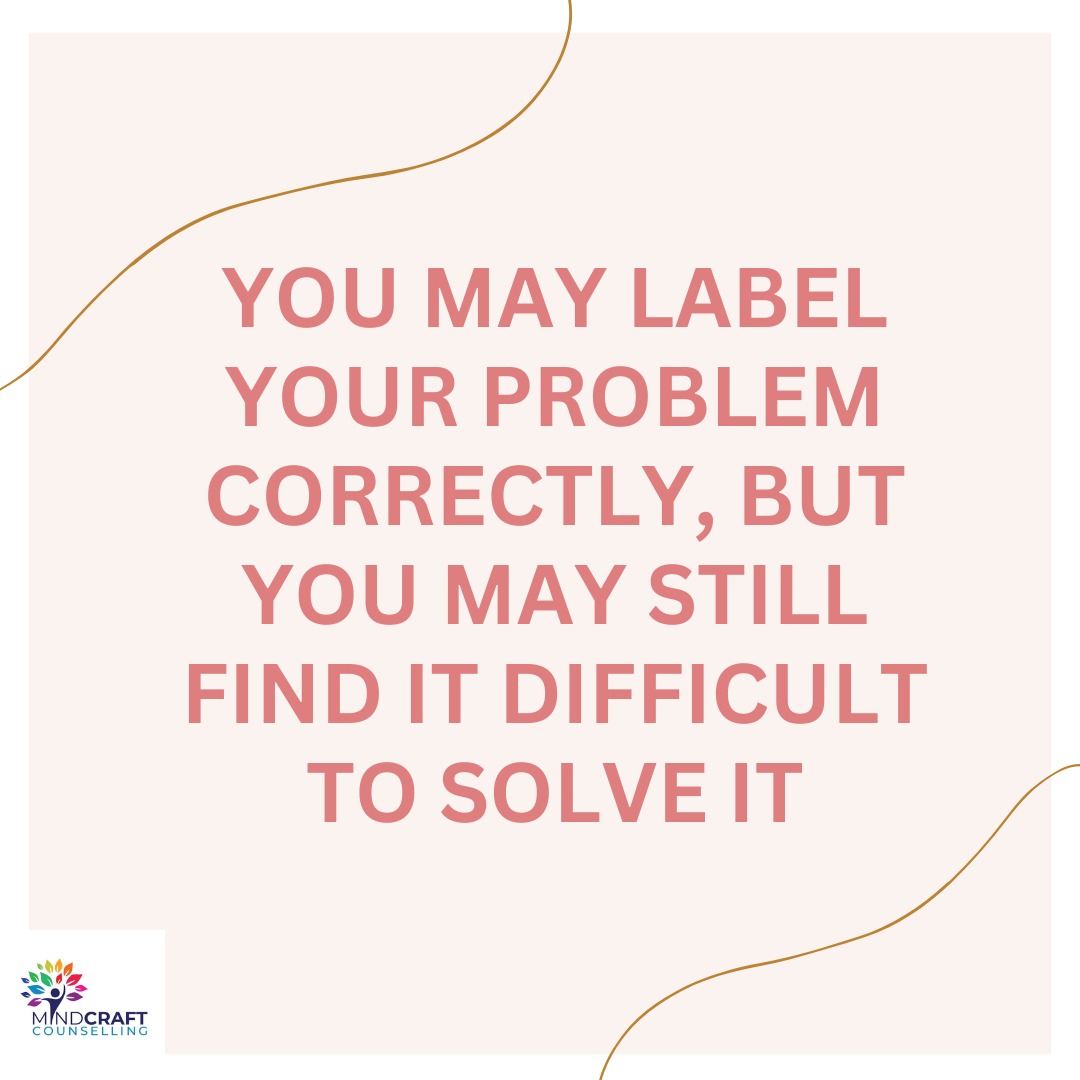
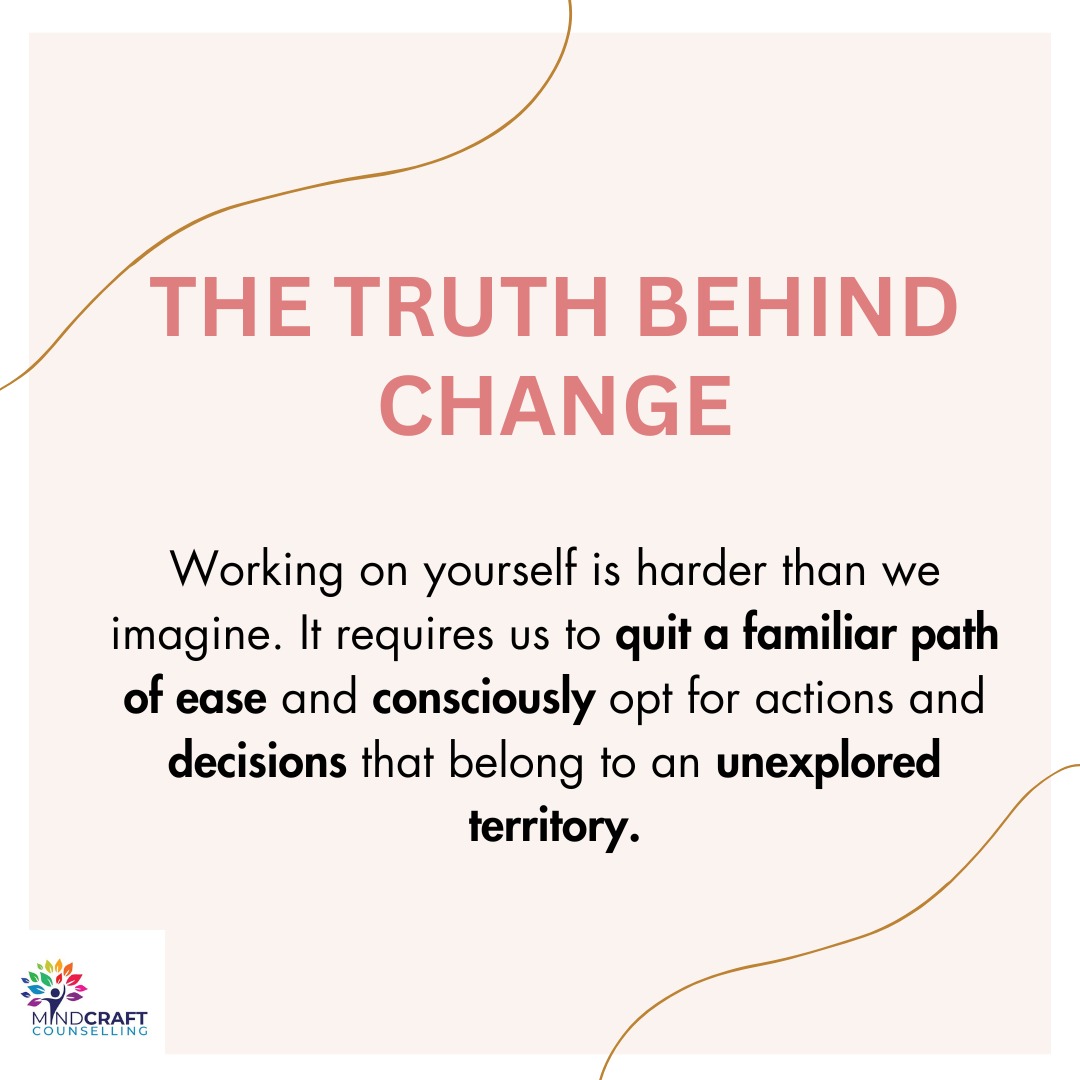
Many people arrive in counselling saying some version of, "I know what my problem is, so why can't I fix it?" That gap between knowing and doing isn't a sign you're broken or lazy. It's the most ordinary thing in the world. The work isn't more analysis. It's gentle, repeated practice of a different choice, often with someone alongside you who can notice when the old pattern is creeping back in.
So if you've spent a long time thinking about how you want your life to be different, that thinking has done its job. The next part is smaller and braver than another realisation. It's letting yourself act differently, today, even before you feel completely ready.