Plenty of people sit with the same thought for months: I think I need to talk to someone. They find a name, read the website, maybe even draft the message — and then close the tab. If that's you, you're not weak or self-sabotaging. Resistance before therapy is so common that we'd be surprised if it didn't show up. Understanding where it comes from tends to loosen its grip.
What gets in the way
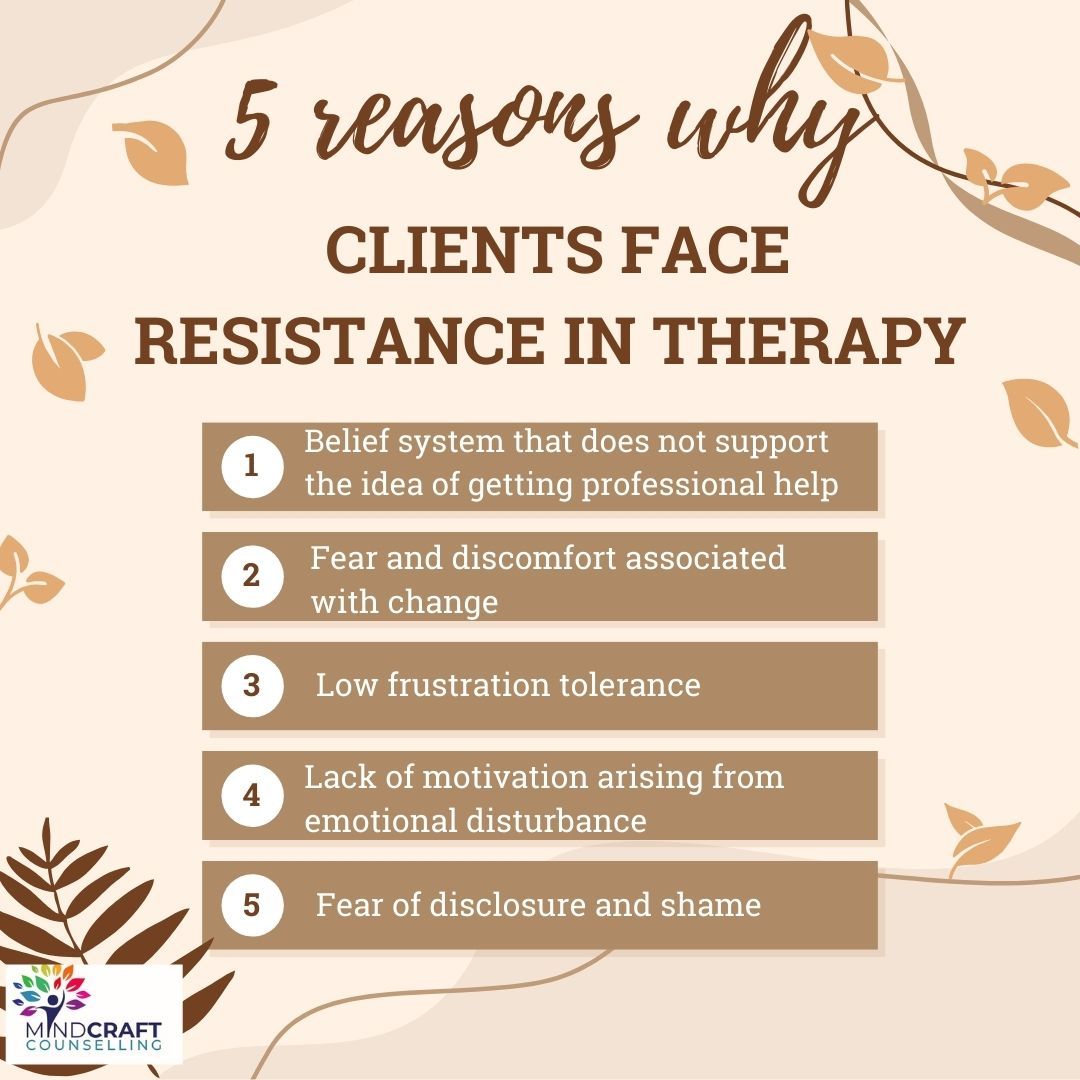
Most hesitation falls into a handful of patterns. You might recognise one, or several at once.
A belief system that says you should manage alone
Many of us grew up hearing that strong people don't need help, that problems stay inside the family, or that talking about feelings is indulgent. When that message runs deep, booking a session can feel like a betrayal of how you were raised. The belief isn't a fact — it's something you absorbed. It can be questioned.
Fear and discomfort around change
Even painful situations have a familiar shape. Therapy invites change, and change unsettles things we've organised our lives around. Part of you may want relief while another part quietly braces against it. Both can be true at the same time.
Low tolerance for frustration
Therapy is rarely a single tidy conversation that fixes everything. It asks you to sit with discomfort, to wait, to try things that don't work right away. If frustration usually pushes you to quit or avoid, the slow pace of this work can feel maddening before it feels helpful.
Low motivation that comes from distress itself
This one is cruel. The same heaviness, exhaustion or hopelessness that make therapy worth seeking are often the very things that drain the energy to seek it. "I can't be bothered" is sometimes the symptom, not the verdict.
Fear of disclosure and shame
Saying something out loud, to a stranger, can feel exposing. People worry they'll be judged, that their thoughts are too dark, or that whatever they reveal can't be taken back. Shame thrives in secrecy, and the prospect of breaking that secrecy is genuinely frightening.
What helps
You don't have to clear all of this away before you start. Resistance and willingness can travel together. A few things that ease the first step:
- Name the specific fear. "I'm scared of being judged" is more workable than a vague dread.
- Lower the bar. The goal isn't to be fixed by the first session — it's just to show up and see what it's like.
- Remember that a good counsellor expects ambivalence. You can bring your doubts about therapy into therapy. That's allowed, and it's useful.
Resistance isn't the opposite of wanting help. It's usually the part of you that has worked hard to keep you safe, asking whether this is safe too. You can answer it gently and still move forward.
If you've been circling the idea for a while, that circling is information. It tells you something matters here. The session you keep almost booking is allowed to feel daunting — and you're allowed to book it anyway, doubts and all.