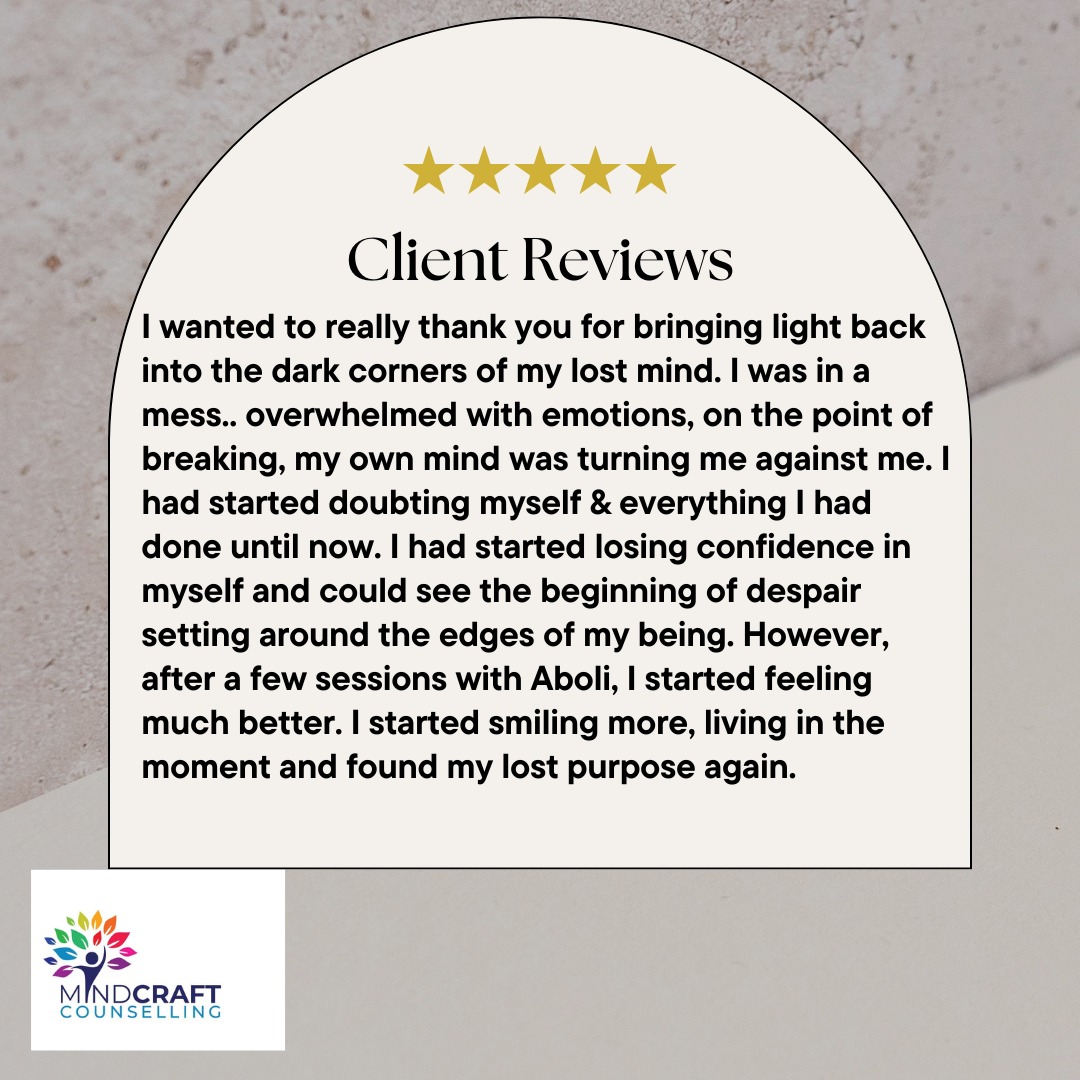

One of our clients recently put into words something we see often in this work. She came in to manage emotional stress, and what shifted wasn't only how she felt inside. Her relationship with her children and husband got warmer. She handled changes at work with more confidence. The skill she built in the counselling room travelled with her everywhere else.
That ripple isn't a happy accident. When you learn to recognise and steady your own emotions, almost every relationship you have becomes a little easier to hold.
Why emotional regulation touches everything
Emotions aren't a private weather system that only affects you. They shape how you speak to the people you love, how you react under pressure, how much room you have to listen rather than defend. When stress runs the show, small moments at home turn into arguments, and ordinary changes at work feel threatening. When you can name what you're feeling and respond rather than react, those same moments soften.
This is the quiet logic behind a lot of therapy. You're not just talking through one difficult situation. You're learning a way of relating to your own inner life that you carry into the next situation, and the one after that.
What "working on your emotions" actually looks like
It rarely means becoming calm all the time or never feeling angry, anxious or low. It means building a slightly larger gap between the feeling and the action. In approaches like REBT, part of that work is noticing the thoughts sitting underneath a strong emotion and asking whether they're true or simply familiar.
In practice, the building blocks are simple, though not always easy:
- Noticing what you feel before it spills out as a reaction.
- Naming it honestly, even when it's uncomfortable.
- Questioning the harsh or catastrophic stories that ride along with it.
- Choosing a response that fits the situation rather than the panic.
Done over time, this changes how arguments end, how you receive feedback, how you sit with uncertainty.
The relationship inside the work
Our client described her counsellor as more than a professional, someone she could have deep conversations with. That matters. Real change tends to happen inside a relationship where you feel safe enough to be honest. The warmth isn't separate from the technique; it's what makes the technique usable. You can't examine a difficult feeling with someone you're busy performing for.
If you've been carrying it alone
You don't need to be in crisis to benefit from this. A lot of people come simply because the emotional load has grown heavier than they can manage on their own, and they'd like to feel steadier at home and at work. That's a perfectly good reason.
Learning to regulate your emotions doesn't make life smooth. It makes you more able to meet life as it is, with a bit more confidence and a bit less dread. And as this client found, the people around you usually feel the difference too.