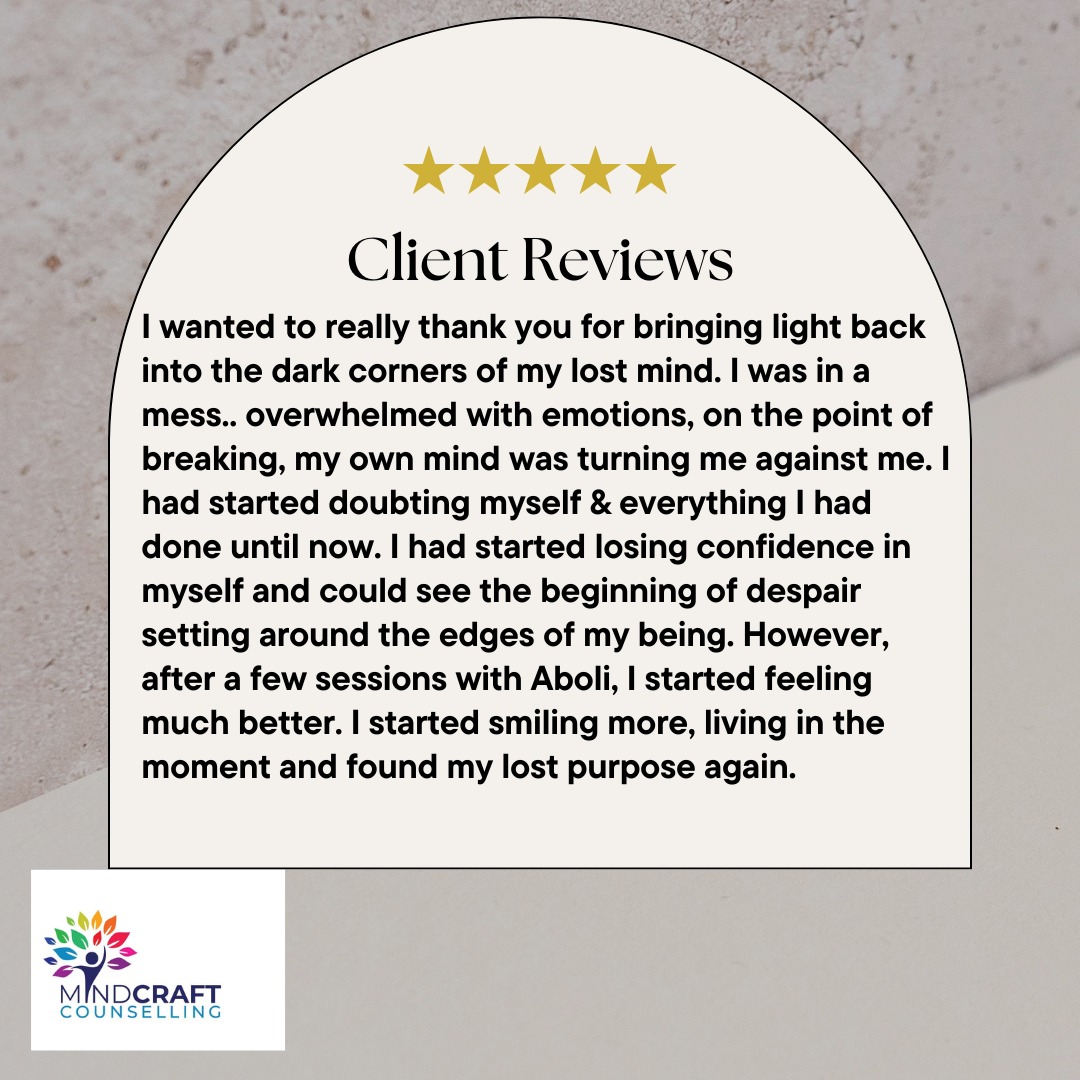

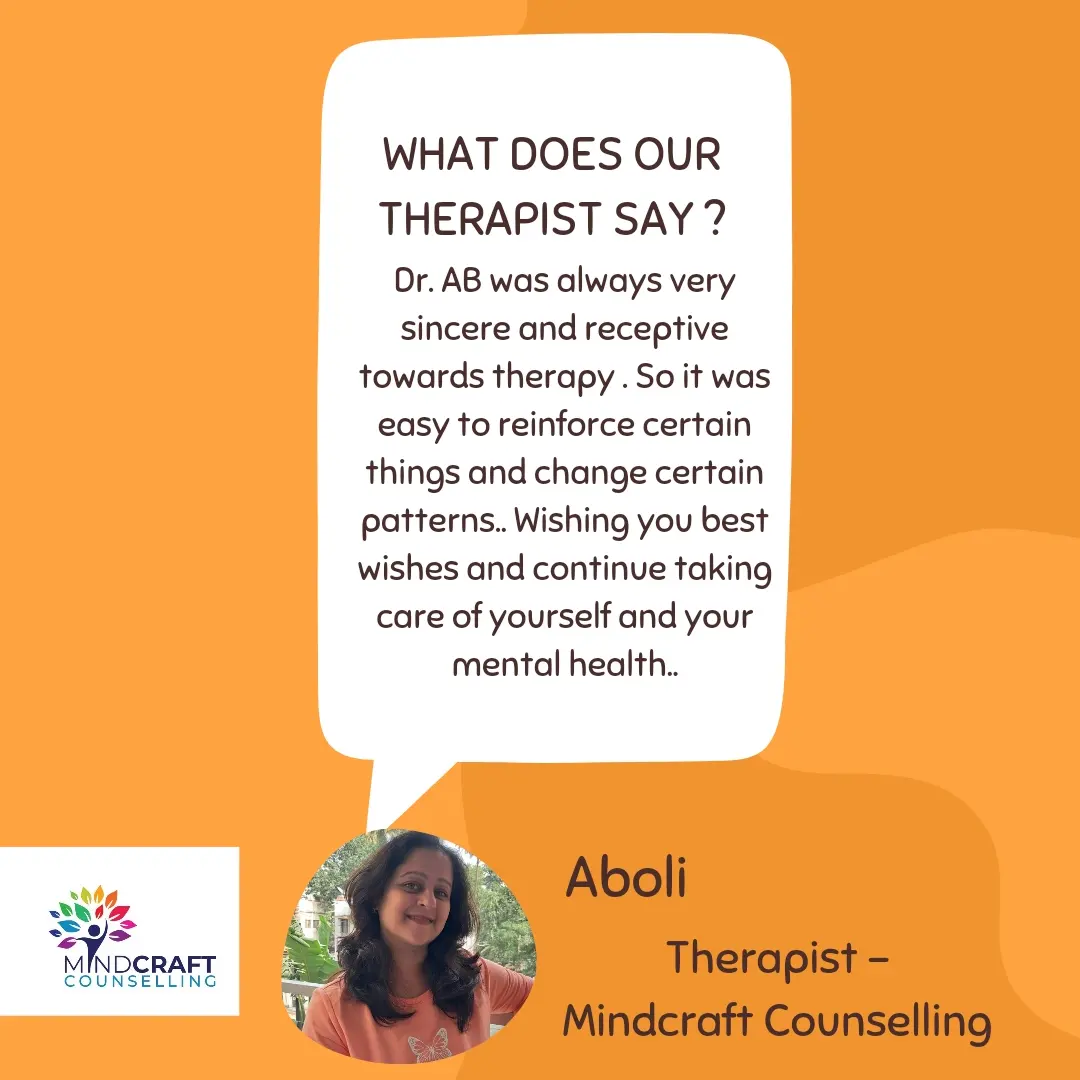
A recent client, a 26-year-old doctor, summed up their therapy in a single line: the sessions helped in channelling my thoughts in a proper way, and that made a real difference to their anxiety. It's a small phrase, but it points to something we see often. Anxiety rarely comes from having no thoughts. It usually comes from having too many, all at once, with no order to them.
Anxiety often lives in the clutter
When the mind is anxious, thoughts don't queue politely. They pile up. A worry about work tangles with a memory from yesterday, which sets off a prediction about next week, which loops back to a feeling you can't quite name. From the inside it feels less like thinking and more like static. You're busy, exhausted and somehow no clearer at the end of it.
This is why "just stop overthinking" is such useless advice. The problem isn't the volume on a dial you can simply turn down. The problem is that the thoughts have no shape, and shapeless things are hard to hold.
What channelling actually does
Therapy doesn't empty your head. It helps you sort what's in it. Sitting with someone who listens carefully, you start to separate one thought from another. You notice which worries are about something you can act on and which are old fears wearing new clothes. You learn to say a feeling out loud, which often shrinks it to a more manageable size.
For our client, this looked like taking a swirling mass of pressure and laying it out in pieces that could be examined one at a time. Once thoughts have edges, you can decide what to do with them.
Why this eases the body too
Anxiety isn't only mental. A racing mind keeps the body braced, ready for a threat that never quite arrives. When the thoughts settle into some order, the nervous system gets the message that it's safe to stand down a little. People often describe sleeping better or breathing more easily, not because their problems vanished, but because they're no longer fighting all of them simultaneously.
Small ways to start on your own
You don't need to wait for a session to begin sorting. A few things that help between conversations:
- Write the loop down. Getting a worry onto paper takes it out of the endless mental rerun.
- Sort by control. Ask of each worry: is this something I can influence, or only something I can feel? Both are valid, but they need different responses.
- Name the feeling, not just the thought. "I'm anxious about the meeting" is more workable than a vague sense of dread.
These are starting points, not cures. Some patterns are too sticky to untangle alone, and that's exactly what counselling is for.
We share feedback like this not to congratulate ourselves but because it captures something true about the work. A great deal of therapy is simply helping someone hear their own thoughts more clearly. When the noise quietens, people usually find they knew more about what they needed than the anxiety let them believe.